
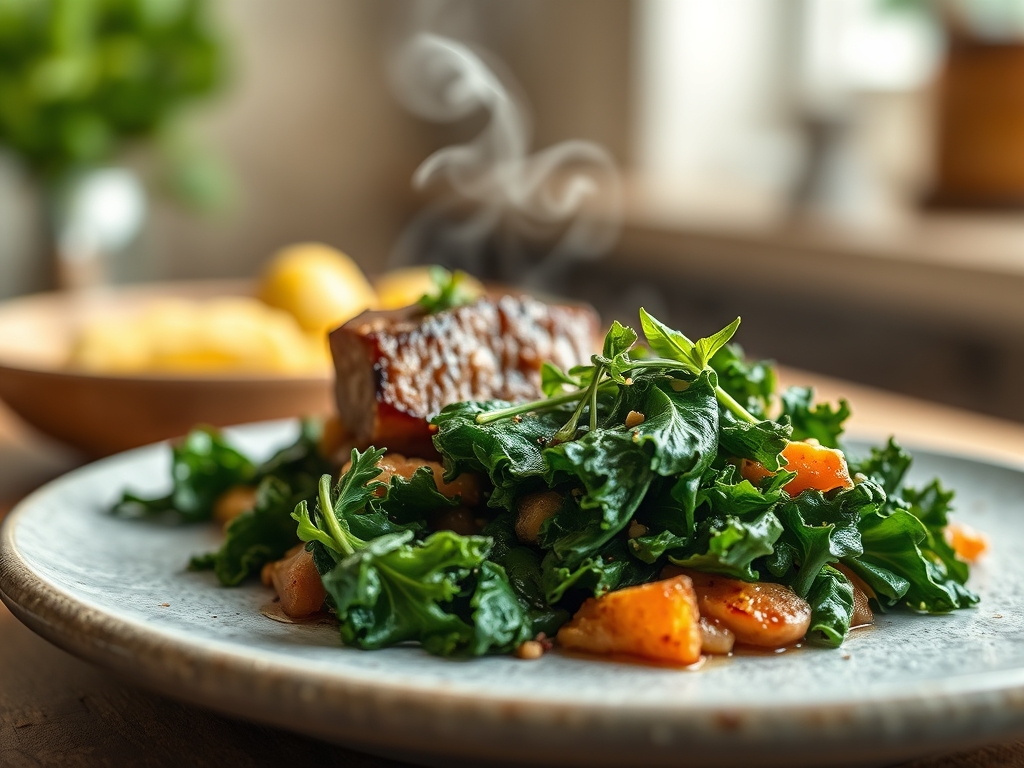
Imagine the scent of rendered fat hitting a hot stainless steel surface; it is the olfactory equivalent of a warm hug. When you master kale and beef recipes, you are not just cooking dinner; you are orchestrating a high-contrast masterpiece of iron-rich greens and savory protein. This is the ultimate power couple of the culinary world.
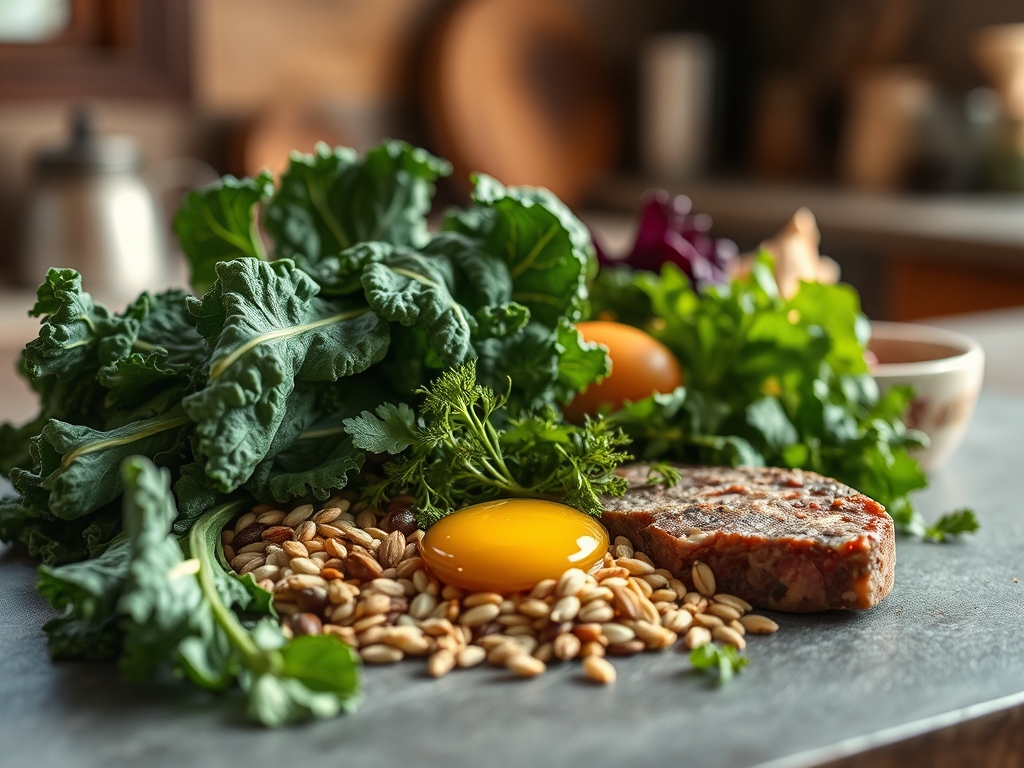
The Gathers:
To execute these kale and beef recipes with precision, your mise-en-place must be flawless. Start with your protein. Look for grass-fed ribeye or lean flank steak; the intramuscular fat provides the viscous mouthfeel needed to balance the fibrous nature of the greens. For the kale, Lacinato (Dinosaur) kale is your best friend because its embossed surface captures sauces better than curly varieties.
You will need a high-quality heavy-bottomed skillet or a cast iron pan to achieve a proper sear. Grab your digital scale to ensure your portions are balanced; usually a 1:2 ratio of beef to kale by weight works best before the greens wilt. Do not forget the aromatics: fresh garlic, shallots, and a splash of acid like apple cider vinegar or lemon juice to brighten the heavy fats.
Smart Substitutions: If you cannot find Lacinato kale, Swiss chard offers a similar structural integrity. For the beef, if you are looking for a leaner profile, top round steak works beautifully as long as you slice it against the grain using a sharp bench scraper to clear your board. For a piquant kick, swap regular salt for smoked Maldon sea salt to mimic a wood-fired finish.
The Clock
Efficiency in the kitchen is about understanding the Chef's Flow. This is the sequence of operations that minimizes downtime. For most kale and beef recipes, you are looking at a 15-minute prep window and a 12-to-20-minute cook time.
The flow begins with the beef. It must sit at room temperature for at least 20 minutes to prevent "thermal shock," which causes muscle fibers to tighten and eject juices. While the beef tempers, use your microplane to zest citrus and grate garlic. The kale should be de-stemmed and "massaged" with a touch of oil during the final five minutes of the beef's resting period. This ensures that by the time your pan is screaming hot, every component is ready for its high-heat debut.
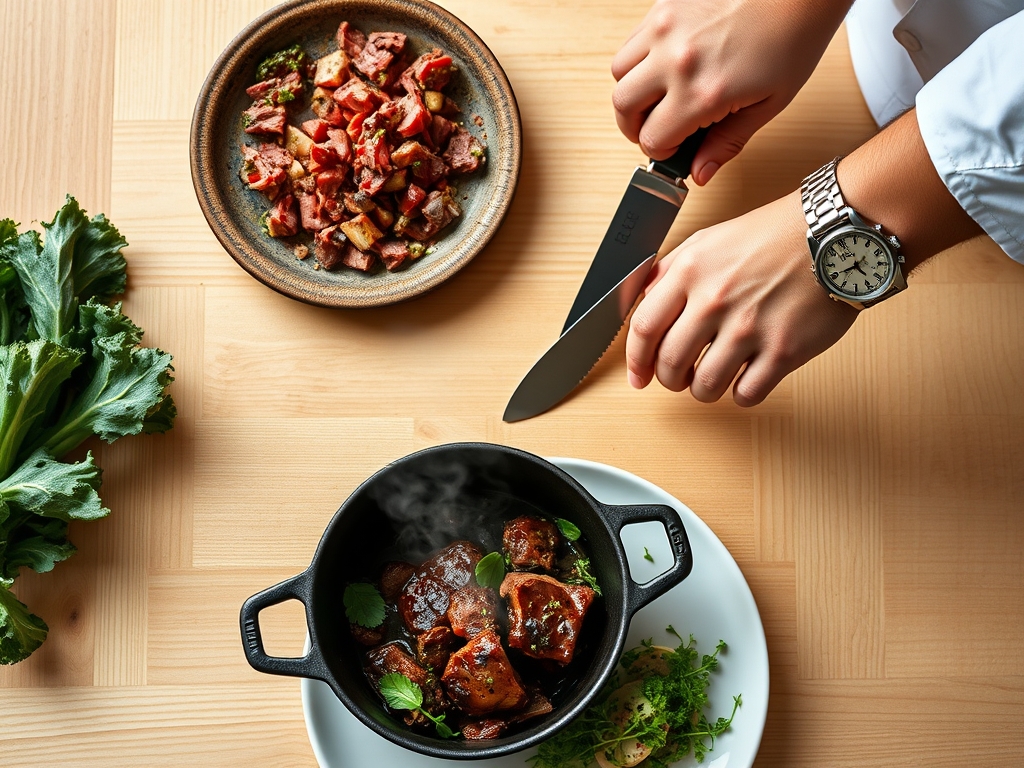
The Masterclass
1. Temper and Season the Protein
Before the beef touches the heat, pat it dry with paper towels. Moisture is the enemy of the Maillard reaction. Season aggressively with kosher salt.
Pro Tip: Salt acts as a denaturant; it breaks down lean muscle proteins, allowing them to retain more moisture during the high-heat sear. This is the science of osmotic pressure at work.
2. The High-Heat Sear
Heat your skillet until the oil reaches its smoke point. Lay the beef away from you to avoid splashes. Use tongs to press the meat down, ensuring maximum surface contact.
Pro Tip: Do not crowd the pan. Overcrowding leads to "steaming" rather than searing. You want enzymatic browning, which only occurs when surface moisture evaporates instantly at temperatures above 300 degrees Fahrenheit.
3. Deglaze and Build the Base
Once the beef is browned, remove it to a warm plate. You will see brown bits stuck to the pan; this is "fond." Pour in a splash of beef stock or dry red wine to deglaze the surface.
Pro Tip: Use a wooden spoon to scrape the fond. These caramelized proteins contain concentrated umami compounds that will infuse your kale with deep, savory notes.
4. Wilt the Kale
Add your kale to the simmering liquid. Use your tongs to toss the leaves, coating them in the emulsified pan juices. Cover for sixty seconds to allow the steam to soften the cellulose.
Pro Tip: Kale contains tough cell walls made of cellulose and lignin. Brief steaming breaks these down without destroying the chlorophyll, keeping the greens vibrant rather than gray.
5. Reintegrate and Finish
Return the beef and any accumulated juices to the pan. Toss everything together over medium heat for one minute to marry the flavors.
Pro Tip: This stage accounts for thermal carryover. The internal temperature of the beef will continue to rise by 5 to 10 degrees after being removed from the heat. Pulling it early ensures a perfect medium-rare.
The Deep Dive
When we look at the macro nutrition of kale and beef recipes, we see a powerhouse of bioavailability. The vitamin C in the kale actually helps your body absorb the non-heme iron found in the beef. It is a biological synergy that maximizes nutrient density.
Dietary Swaps:
- Keto: Increase the fat content by finishing the dish with a knob of grass-fed butter or a drizzle of avocado oil.
- Vegan: Swap the beef for thick-cut portobello mushrooms or tempeh; use liquid aminos to replicate the savory depth.
- GF: Ensure your deglazing liquid is a certified gluten-free stock or wine; avoid malt-based vinegars.
The Fix-It:
- Tough Kale: If the greens are too "chewy," you likely skipped the massage. Rub the raw leaves with lemon juice and salt for two minutes before cooking to pre-digest the fibers.
- Grey Beef: This happens when the pan isn't hot enough. If you see grey meat, remove it immediately, reheat the pan until it smokes, and finish in small batches.
- Bitter Aftertaste: Kale can sometimes be overly bitter. Balance this by adding a teaspoon of honey or balsamic glaze during the final toss; sugar neutralizes bitter alkaloids.
Meal Prep Science:
To maintain "day-one" quality, store the beef and kale in airtight glass containers. When reheating, avoid the microwave if possible. Instead, use a saucier with a tablespoon of water over medium-low heat. This gently re-hydrates the kale and prevents the beef from becoming rubbery through over-coagulation of proteins.
The Wrap-Up
Mastering these kale and beef recipes is about more than just following a list of steps; it is about understanding the physics of the pan and the chemistry of the ingredients. From the viscous pan sauce to the perfectly seared steak, you now have the technical prowess to turn a simple weeknight meal into a gourmet experience. Put on your apron, grab those tongs, and let the Maillard reaction work its magic. Your kitchen is now a laboratory of flavor.
The Kitchen Table
How do I keep kale from getting soggy?
Avoid over-steaming. Sauté the kale over high heat for no more than three minutes. The goal is to wilt the leaves while maintaining a slight structural "snap" in the ribs. Use a wide pan to allow steam to escape.
What is the best cut of beef for kale stir-fry?
Flank steak or skirt steak are ideal. These cuts have long muscle fibers that soak up marinades beautifully. Always slice them thinly against the grain to ensure the meat remains tender after a quick, high-heat sear.
Can I use frozen kale for these recipes?
Yes, but thaw and squeeze it dry first. Frozen kale has already had its cell walls softened by ice crystals. It will cook much faster than fresh kale, so add it at the very end to prevent it from turning into mush.
Why does my beef bleed into the kale?
This happens if you do not let the beef rest. After searing, let the meat sit for five minutes on a cutting board. This allows the muscle fibers to reabsorb the juices so they stay inside the meat instead of staining your greens.