
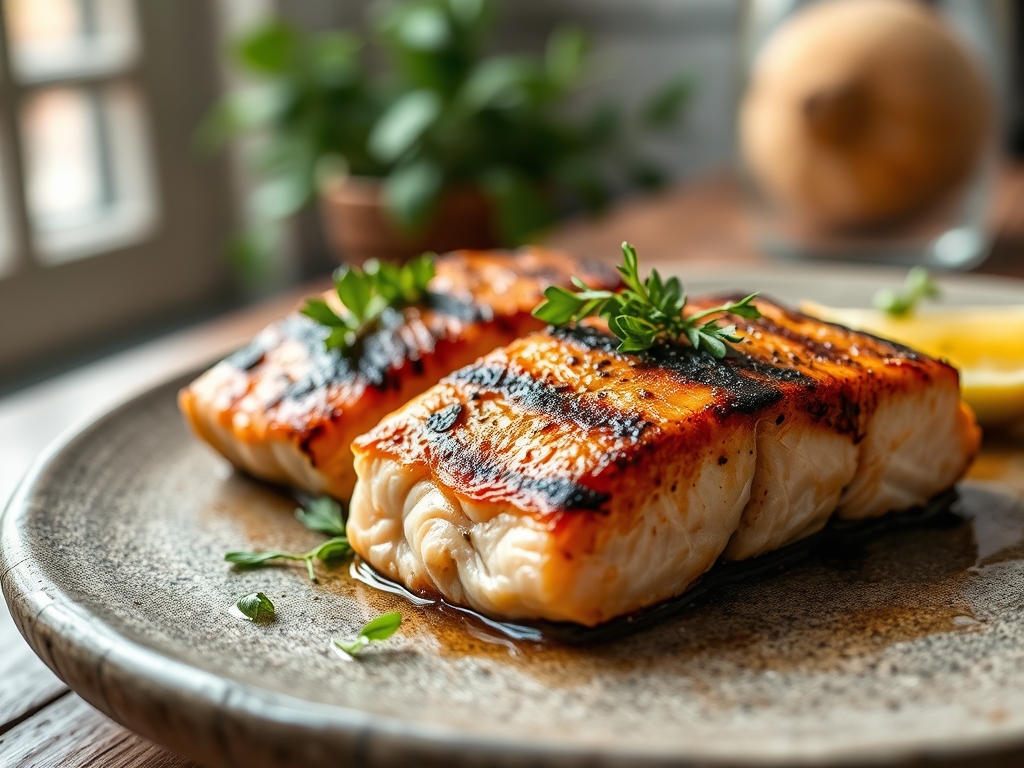
The scent of cedar smoke and rendering omega-3 fats is the universal signal that a sophisticated evening has officially begun. When you are hunting for the ultimate grilled salmon recipes for dinner, you are not just looking for a meal; you are looking for that perfect intersection of crispy skin and a translucent, buttery center. It is a delicate dance of heat and timing that transforms a simple fillet into a centerpiece.
The secret to a flawless dinner party lies in the preparation of the protein. Salmon is unique because its high fat content allows it to withstand intense heat, yet its muscle fibers are fragile. If you overcook it by even ninety seconds, the albumin (that white protein) begins to leak out, signaling a loss of moisture. We want to avoid that at all costs. By mastering the science of the sear, you ensure every guest leaves your table wondering how you achieved such a professional finish. Let us dive into the technical nuances that make these grilled salmon recipes for dinner truly legendary.
The Gathers:
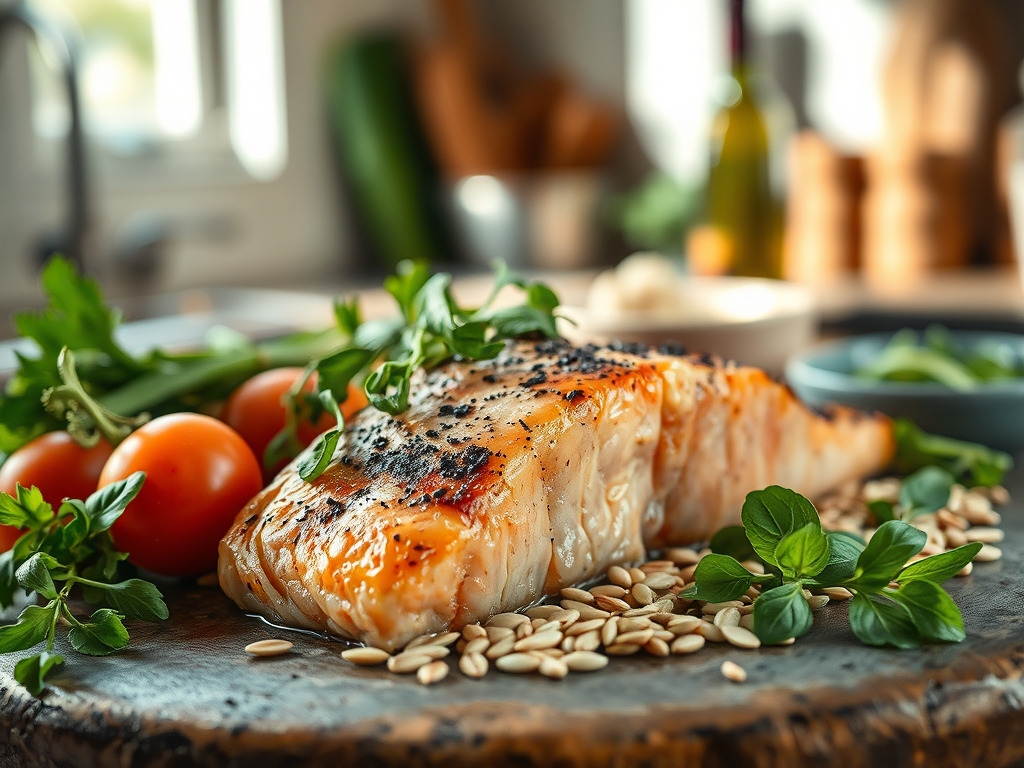
To execute this masterclass, your mise-en-place must be precise. Start with a center-cut King or Sockeye fillet; these varieties offer the highest fat density for a viscous mouthfeel. You will need a high-smoke-point oil like avocado or grapeseed to prevent acrid flavors during the sear. For the aromatics, gather fresh dill, Meyer lemon zest, and toasted fennel seeds. Use a microplane to create a fine citrus dust that integrates into the crust without burning.
Smart Substitutions: If you cannot find fresh Sockeye, a high-quality Steelhead trout offers a similar flavor profile and fat content. For a plant-based guest, thick slabs of cauliflower can be treated with the same dry rub, though the cooking time will differ. Ensure your salt is Diamond Crystal Kosher; the hollow flakes dissolve faster into the flesh, initiating a quick denaturation of proteins that helps the surface crisp up beautifully.
The Clock
Efficiency is the hallmark of a great host. This recipe requires a total of 45 minutes from fridge to table. Your Chef's Flow starts with a 20-minute room-temperature temper. Cold fish hitting a hot grate causes the muscle fibers to seize, resulting in a tough texture. While the salmon tempers, you have 10 minutes to prep your glaze and preheat the grill to a steady 450 degrees Fahrenheit. The actual cook time is a swift 10 to 12 minutes. This allows for a 5-minute rest period, which is non-negotiable for moisture retention.
The Masterclass
1. The Surface Preparation
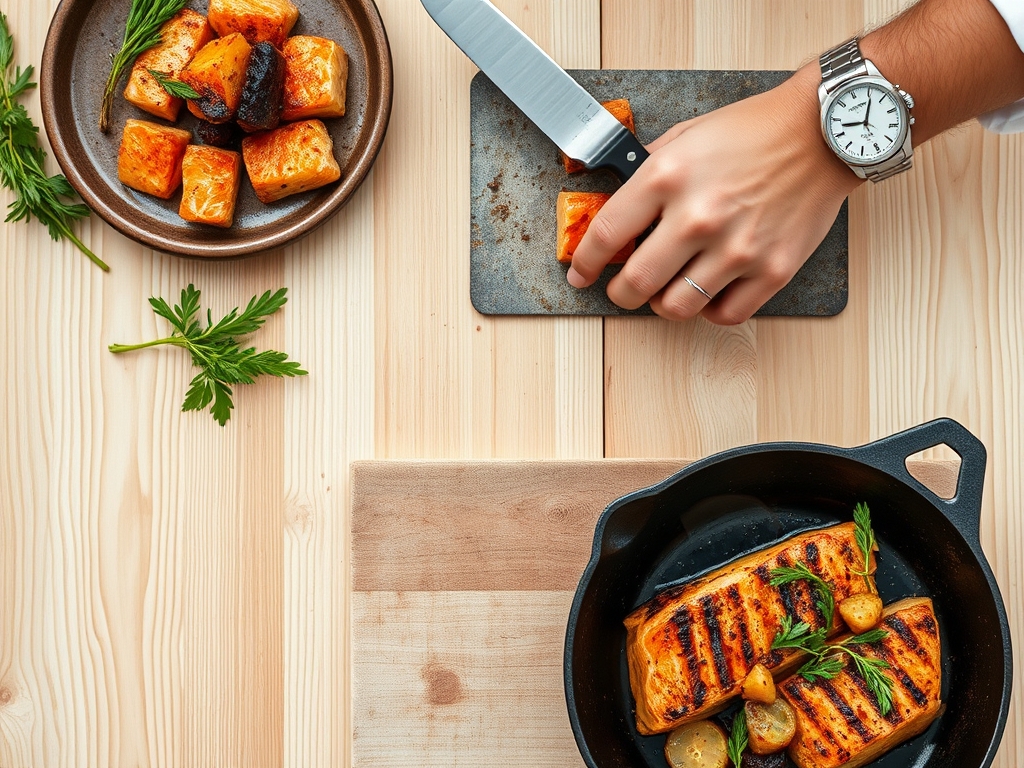
Dry the skin of the fish using lint-free paper towels until it feels like parchment. Moisture is the enemy of the Maillard reaction; any residual water will create steam, preventing the skin from becoming shatteringly crisp. Use a bench scraper to ensure the surface of your cutting board remains dry between fillets.
Pro Tip: This process is called desiccation. By removing surface moisture, you allow the heat to immediately begin caramelizing the proteins rather than wasting energy evaporating water.
2. The Oil Barrier
Apply a thin, even layer of oil to the fish rather than the grill grates. This creates a localized heat conductor that fills the microscopic gaps in the flesh. Use a silicone pastry brush to ensure every crevice is coated. Season aggressively with salt only at this stage to avoid drawing out internal moisture too early.
Pro Tip: Oil acts as a thermal bridge. It ensures that the heat from the metal grates is distributed evenly across the uneven surface of the fillet, preventing hot spots and sticking.
3. The Initial Sear
Place the salmon skin-side down on the hottest part of the grill. Press down lightly with a fish spatula for thirty seconds to prevent the skin from curling. Once the skin is set, do not move it. You are waiting for the proteins to naturally release from the metal.
Pro Tip: This is known as the "release point." As the proteins brown and harden, they lose their adhesive grip on the grill. If it sticks, it is not ready to flip.
4. The Glaze Application
When the fish is 70 percent cooked, use a saucier to warm your honey-mustard or citrus glaze. Brush it onto the flesh side during the final two minutes of cooking. This prevents the sugars in the glaze from burning and becoming bitter while still allowing them to infuse the top layers of the meat.
Pro Tip: This timing utilizes enzymatic browning. The sugars react with the heat just long enough to create a complex flavor profile without reaching the carbonization stage.
5. The Thermal Rest
Remove the salmon when the internal temperature hits 125 degrees Fahrenheit. Place it on a warm platter and tent loosely with foil. The temperature will climb to a perfect 130 or 135 degrees as it sits.
Pro Tip: This is thermal carryover. The residual heat on the exterior continues to cook the center. Resting allows the expanded muscle fibers to relax and reabsorb the internal juices.
The Deep Dive
From a macro perspective, a 6-ounce serving of grilled salmon provides roughly 34 grams of high-quality protein and 18 grams of healthy fats. It is naturally Keto and Gluten-Free. To make it Vegan, substitute the salmon with a thick-cut "steak" of Lion's Mane mushroom, which mimics the meaty texture and absorbs smoke beautifully.
The Fix-It:
- Sticking to the Grill: If the fish is stuck, slide a thin offset spatula underneath to gently pry it up. Next time, ensure your grates are scrubbed clean and oiled.
- White Gunk (Albumin): This means the heat was too high or the fish was overcooked. Lower your flame and pull the fish 5 degrees earlier next time.
- Flabby Skin: This happens if the grill wasn't hot enough. Use a kitchen torch for ten seconds on the skin side after removal to crisp it up instantly.
Meal Prep: To reheat leftovers without the "fishy" smell, use a low-temperature oven (275 degrees) with a splash of water in the pan. This creates a gentle steam environment that rehydrates the fats without over-coagulating the proteins.
The Wrap-Up
Hosting a dinner party should be as smooth as a well-emulsified vinaigrette. By focusing on the thermodynamics of the grill and the chemical reactions of the seasoning, you elevate grilled salmon recipes for dinner from a standard meal to a culinary event. Remember; the goal is a contrast of textures and a celebration of the fish's natural richness. Grab your tongs, trust your digital thermometer, and prepare to be the hero of the evening.
The Kitchen Table
How do I know when grilled salmon is done?
Use a digital scale or thermometer to check for an internal temperature of 125-130 degrees Fahrenheit. The flesh should be opaque on the outside but slightly translucent and flaky in the very center when pressed with a fork.
Should I grill salmon with the skin on or off?
Always leave the skin on. It acts as a protective heat shield for the delicate flesh and provides a delicious, crispy texture. The fat layer between the skin and meat also keeps the fillet moist during high-heat cooking.
How do I stop salmon from smelling fishy?
Freshness is key, but you can also neutralize odors by rinsing the fillets in cold water and patting them completely dry. A quick spritz of lemon juice before serving uses citric acid to break down the amines responsible for the scent.
What is the best oil for grilling salmon?
Use an oil with a high smoke point, such as avocado, grapeseed, or refined canola oil. Avoid extra virgin olive oil or butter for the initial sear, as they will burn and create bitter flavors at high grill temperatures.