
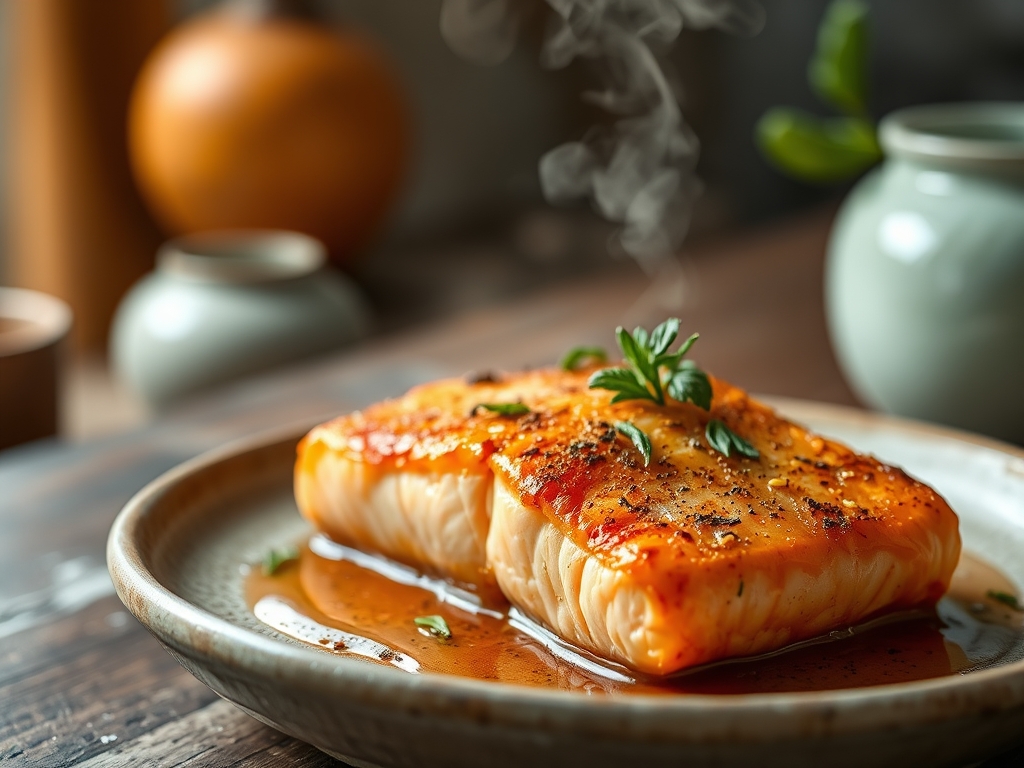
Imagine a fillet so tender it yields to the mere suggestion of a fork; the surface is a shimmering landscape of caramelized proteins while the interior remains a translucent, buttery pink. Mastering simple salmon recipes in oven environments is less about luck and more about managing the delicate architecture of cold-water fats. We are chasing that elusive, melt-in-your-mouth flakiness that turns a weeknight staple into a culinary event.
The secret lies in the thermal transition. Most home cooks treat salmon like poultry, blasting it until the muscle fibers contract and squeeze out all that precious moisture. Instead, we are going to treat this fish like a high-end custard. By understanding the molecular dance between heat and healthy Omega-3 fatty acids, you can achieve a texture that is silky, rich, and impeccably seasoned. Whether you are a seasoned pro or a kitchen novice, these six secrets will transform your approach to the oven.
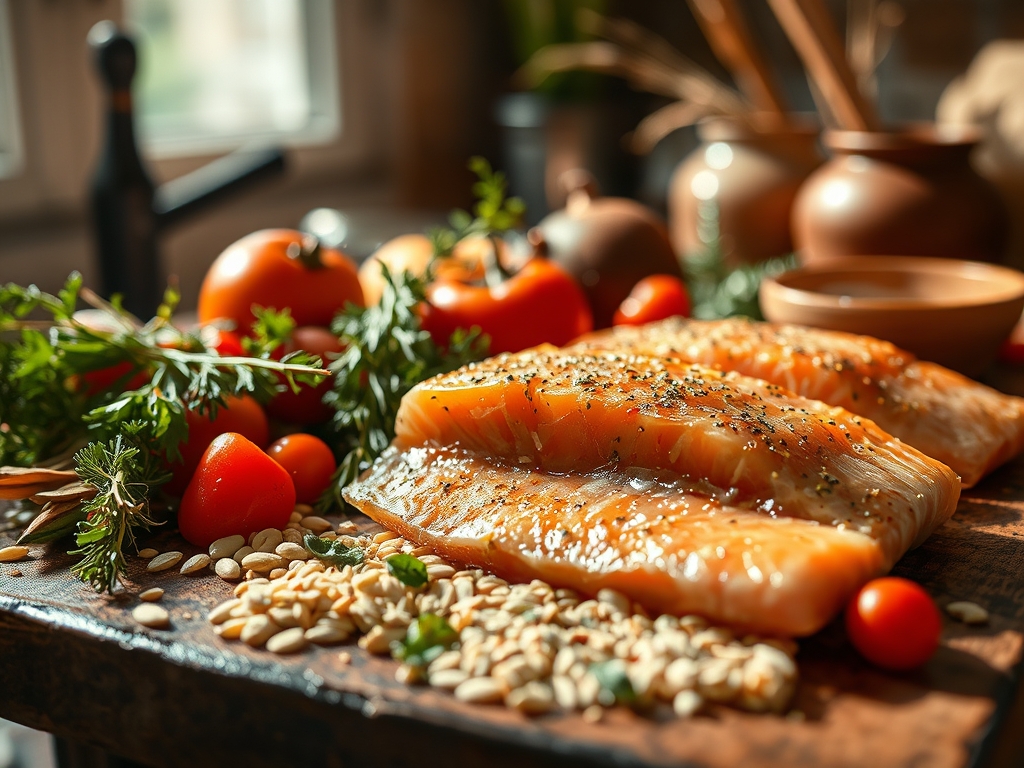
The Gathers:
To begin, your mise-en-place must be intentional. Start with a center-cut Atlantic or King salmon fillet; these cuts offer a uniform thickness that ensures even heat distribution. You will need high-quality fats to act as a heat conductor. Reach for clarified butter or a high-smoke-point avocado oil. For aromatics, gather fresh dill, a piquant Meyer lemon, and several cloves of garlic.
The seasoning requires more than just a pinch of salt. Use a heavy-bottomed mortar and pestle to crush flaky sea salt with toasted peppercorns; this increases the surface area for better adhesion. You will also need a microplane for zesting and a saucier if you plan on whisking together a quick lemon-butter emulsion.
Smart Substitutions: If you are avoiding dairy, a viscous, high-quality extra virgin olive oil works beautifully. For those craving a deeper umami profile, swap the salt for a splash of tamari or liquid aminos. If fresh herbs are unavailable, use dried tarragon at a one-to-three ratio, as dried herbs are far more concentrated in their volatile oils.
The Clock: Chef's Flow
Efficiency in the kitchen is about the "Chef's Flow," which means minimizing dead time. Your total active preparation should take no more than 10 minutes. The salmon requires a brief 15-minute rest at room temperature before it hits the heat; this prevents the "thermal shock" that causes the white albumin to leak out of the flesh.
The actual roasting time fluctuates between 12 and 15 minutes depending on the thickness of the fillet. However, the most critical part of the clock is the 5-minute carryover cook time. Once the fish leaves the oven, the internal energy continues to vibrate, finishing the center without the harsh direct heat. Total time from fridge to table? Under 35 minutes.
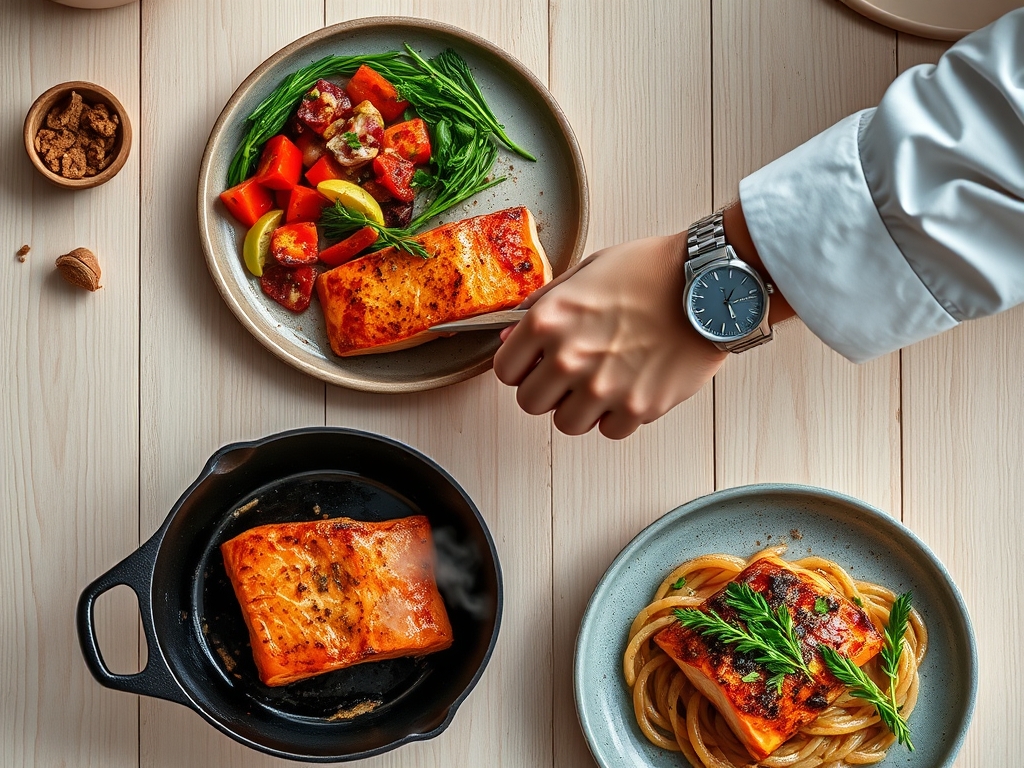
The Masterclass
1. The Tempering Technique
Before the oven is even preheated, take your salmon out of the refrigerator. Use a paper towel to pat the skin and flesh bone-dry. Moisture is the enemy of texture; if the surface is wet, the fish will steam rather than roast.
Pro Tip: This process allows the internal fats to soften. When the fish enters the oven at room temperature, the heat penetrates the core more efficiently, preventing the outside from overcooking while the inside remains raw.
2. The Fat Barrier
Coat the fillet generously with your chosen lipid. Use your hands or a silicone brush to ensure every crevice is covered. This creates a hydrophobic barrier that locks internal juices inside the muscle fibers.
Pro Tip: Fats are superior heat conductors. By coating the fish, you are creating a micro-environment that facilitates enzymatic browning on the surface while insulating the delicate proteins underneath.
3. The Low and Slow Approach
Set your oven to 325 degrees Fahrenheit. While many recipes call for high heat, a lower temperature prevents the muscle fibers from tightening too quickly. This results in a "confit-like" texture that is incredibly succulent.
Pro Tip: High heat causes the connective tissue (collagen) to contract violently, forcing out the moisture. A lower temperature allows the collagen to dissolve into gelatin slowly, providing that signature "flaky" mouthfeel.
4. The Aromatics Infusion
Place your aromatics—lemon slices, garlic, and herbs—directly on top or underneath the fish. As the heat rises, the essential oils in the herbs will infuse into the melting fats of the salmon.
Pro Tip: This is a form of "wet-bulb" cooking. The moisture evaporating from the lemon slices creates a localized zone of humidity, which protects the top of the fillet from drying out in the dry oven air.
5. The Digital Precision
Use a digital scale to check the weight if you are doubling the recipe, but more importantly, use a digital probe thermometer to check the internal temperature. Remove the salmon when it hits 125 degrees Fahrenheit for a perfect medium-rare.
Pro Tip: Thermal carryover is a real physical phenomenon. The internal temperature will rise by 5 to 7 degrees after you remove it from the oven. Pulling it early ensures you don't hit the "dry zone" of 145 degrees.
6. The Acid Finish
Once the fish has rested, use a microplane to shower it with fresh lemon zest and a final squeeze of juice. The acid cuts through the richness of the fish, brightening the entire flavor profile.
Pro Tip: Acid reacts with the tongue's receptors to enhance the perception of salt and fat. This final "brightening" step balances the heavy Omega-3 profile of the salmon.
The Deep Dive
Macro Nutrition: Salmon is a nutritional powerhouse. A 6-ounce portion typically contains 34 grams of high-quality protein and about 18 grams of healthy fats. It is virtually carb-free, making it a staple for metabolic health.
Dietary Swaps:
- Keto: Double down on the fats by topping with a dollop of herb-infused compound butter.
- Vegan: While this guide is for salmon, the "Low and Slow" roasting method works surprisingly well for thick slabs of cauliflower or "tofu steaks" marinated in beet juice for color.
- GF: This recipe is naturally gluten-free; just ensure your spices aren't processed with flour anti-caking agents.
The Fix-It:
- White Stuff Appearing? That is albumin. You cooked it too fast or didn't temper the fish. Next time, lower the temp.
- Sticking to the Pan? You didn't use enough fat or the pan wasn't preheated. Use a bench scraper to gently lift it.
- Bland Flavor? You seasoned after cooking. Salt needs time to penetrate the protein structure. Season at least 10 minutes before roasting.
Meal Prep & Reheating: To maintain "day-one" quality, never microwave salmon. Instead, place it in a cold oven and set it to 275 degrees. As the oven preheats, the fish warms gently without rubberizing the proteins.
The Wrap-Up
You are now armed with the molecular secrets to the perfect fillet. Remember; cooking is a conversation between you and your ingredients. Use your tongs to check for firmness, trust your digital scale for consistency, and never underestimate the power of a good rest period. These simple salmon recipes in oven methods are your ticket to a restaurant-quality dinner in the comfort of your own kitchen. Go forth and roast with confidence!
The Kitchen Table
How do I know when the salmon is done?
The most reliable method is using a digital thermometer to reach 125 degrees Fahrenheit. Alternatively, press the top of the fillet; if the "flakes" begin to separate easily under light pressure, the collagen has successfully broken down.
Should I leave the skin on during roasting?
Yes, always. The skin acts as a protective thermal jacket, preventing the delicate flesh from overcooking against the hot pan. Even if you do not intend to eat the skin, it preserves the moisture levels during the roasting process.
Why is my salmon dry even at the right temperature?
You likely skipped the tempering step. If the fish is ice-cold in the center but room temperature on the outside, the exterior will overcook and dry out before the middle ever reaches the safe target temperature.
Can I cook frozen salmon in the oven?
It is possible but not recommended for maximum flakiness. Frozen salmon often contains excess interstitial ice which turns to steam, resulting in a mushy texture. For the best results, thaw slowly in the refrigerator overnight before cooking.