
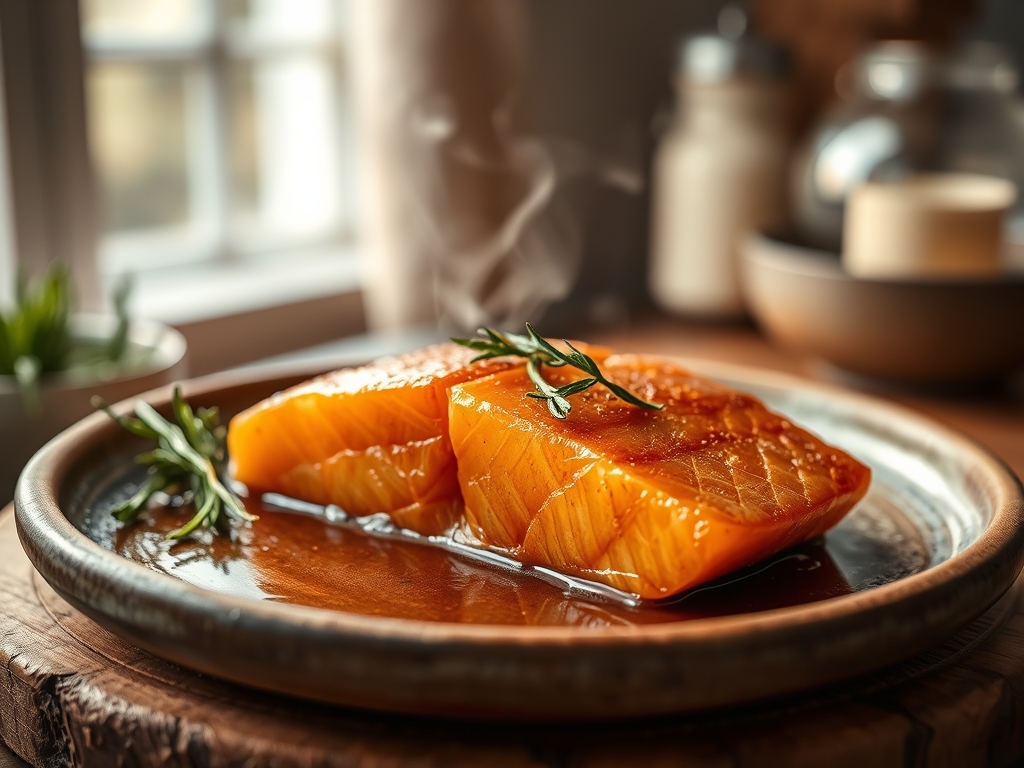
Imagine the silver flash of a wild-caught sockeye fillet resting on your cutting board; its flesh is a vibrant, translucent ruby. As you whisk a solution of crystalline sea salt and dark maple syrup, you are not just seasoning fish. You are engaging in a sophisticated chemical exchange. Finding the best smoked salmon recipes brine is the difference between a dry, salty slab and a buttery, lacquer-coated masterpiece that melts on the tongue. We are chasing that perfect balance of osmosis and surface tension. When the smoke hits the cured protein, it should cling to a tacky surface known as the pellicle, creating a mahogany crust that glows under kitchen lights. This is the intersection of ancient preservation and modern gastronomy. We are going to transform a raw protein into a delicacy that rivals any high-end deli in the Pacific Northwest. Grab your apron and your digital scale; we are about to dive into the molecular magic of the perfect cure.
The Gathers:
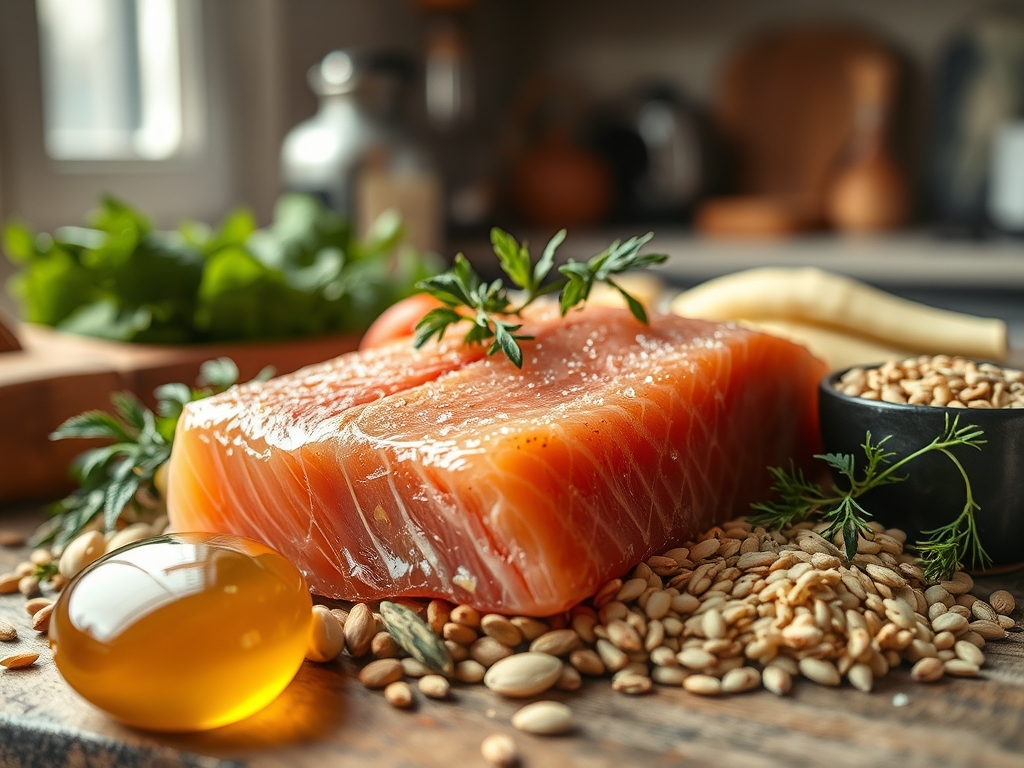
To achieve professional results, your mise-en-place must be precise. We use a digital scale for the brine because volume measurements for salt vary wildly depending on the grain size. You will need 500 grams of kosher salt and 300 grams of dark brown sugar to establish the base of your hypertonic solution. The sugar is not just for sweetness; it acts as a humectant to keep the interior moist.
For the aromatics, gather whole black peppercorns, dried bay leaves, and fresh dill. Use a heavy-bottomed skillet to lightly toast the peppercorns before crushing them; this releases the volatile oils for a more piquant profile. You will also need 4 liters of filtered water and a few strips of orange zest, removed carefully with a microplane to avoid the bitter white pith.
Smart Substitutions:
If you are watching your glycemic index, replace the brown sugar with an equal weight of monk fruit sweetener, though you will lose some of the viscous quality of the glaze. If you lack kosher salt, use sea salt but reduce the weight by 10 percent to account for the higher mineral density. For a Pacific rim twist, swap 100ml of the water for low-sodium tamari to infuse the fish with deep umami notes.
The Clock:
The "Chef's Flow" for smoked salmon is a marathon, not a sprint. Your active prep time is only 30 minutes, but the biological transformation requires patience. The brining phase takes 8 to 12 hours depending on the thickness of the fillet. Following the brine, the salmon must air-dry for 2 to 4 hours to form the pellicle.
The smoking process itself takes 3 to 4 hours at a low, consistent temperature of 165 degrees Fahrenheit. Total elapsed time is approximately 20 hours. Do not rush the air-drying stage; without that tacky surface, the smoke particles will simply bounce off the fish rather than adhering to the proteins.
The Masterclass:
1. The Brine Dissolution
Combine your salt, sugar, and toasted aromatics in a large saucier. Bring one liter of the water to a simmer to fully dissolve the solids, then add the remaining cold water to bring the temperature down instantly. Never place raw fish into a warm brine, as this initiates enzymatic breakdown prematurely.
Pro Tip: This is called a "hot-start cold-steep." Dissolving the solutes in hot water ensures a perfectly homogenous solution, preventing "salt pockets" that can cause uneven curing across the fillet.
2. Submersion and Osmosis
Place your salmon fillets in a non-reactive glass dish. Pour the cooled brine over the fish until completely submerged. Use a ceramic plate to weight the fish down, ensuring every square millimeter of the skin and flesh is in contact with the liquid.
Pro Tip: Through osmosis, the salt solution pulls moisture out of the cells while simultaneously forcing the seasoned liquid back in. This denatures the proteins, creating a firmer texture that resists spoilage.
3. The Cold Rinse
After 10 hours, remove the salmon and rinse it under cold, filtered water. Use your fingers to feel for any remaining salt crystals. Pat the fish bone-dry with lint-free paper towels.
Pro Tip: Rinsing stops the curing process. If you skip this, the exterior of the fish will become aggressively salty during the dehydration phase as the surface water evaporates and concentrates the minerals.
4. Pellicle Formation
Place the salmon on a wire cooling rack set over a baking sheet. Position a small fan to blow cool air across the fish for 3 hours. The surface should feel tacky, almost like scotch tape, to the touch.
Pro Tip: The pellicle is a thin layer of denatured proteins that have migrated to the surface. This layer is essential because smoke is a collection of microscopic solids that require a sticky substrate to "stick" and create flavor.
5. The Low and Slow Smoke
Preheat your smoker to 165 degrees Fahrenheit using fruitwood like apple or cherry. Place the salmon skin-side down on the grates. Use a digital probe thermometer to monitor the internal temperature of the thickest part of the fillet.
Pro Tip: Maintaining a low temperature prevents the "albumin bleed," which is that unsightly white protein that seeps out when salmon is cooked too fast. Slow heating keeps the fats emulsified within the muscle fibers.
6. The Glaze Application
During the final 30 minutes of smoking, brush the salmon with a mixture of maple syrup and a splash of bourbon. Use a high-quality silicone brush to avoid tearing the delicate surface.
Pro Tip: This creates a secondary layer of Maillard reaction products on the surface. The sugars in the glaze interact with the amino acids in the fish to create hundreds of new, complex flavor compounds.
7. Monitoring the Internal Temp
Pull the salmon when the internal temperature hits 140 degrees Fahrenheit. The temperature will climb to the target 145 degrees during the resting phase.
Pro Tip: This is known as thermal carryover. If you wait until the thermometer reads 145 on the grill, the residual heat will push the fish to 150, resulting in a chalky, overcooked texture.
8. The Cooling Phase
Transfer the salmon to a clean tray and let it cool to room temperature before refrigerating. Covering hot fish creates steam, which will ruin the beautiful crust you just worked so hard to build.
Pro Tip: Cooling slowly allows the interstitial fats to re-solidify. This locks in the moisture and ensures that when you slice the fish, it remains intact rather than flaking apart.
9. Slicing and Presentation
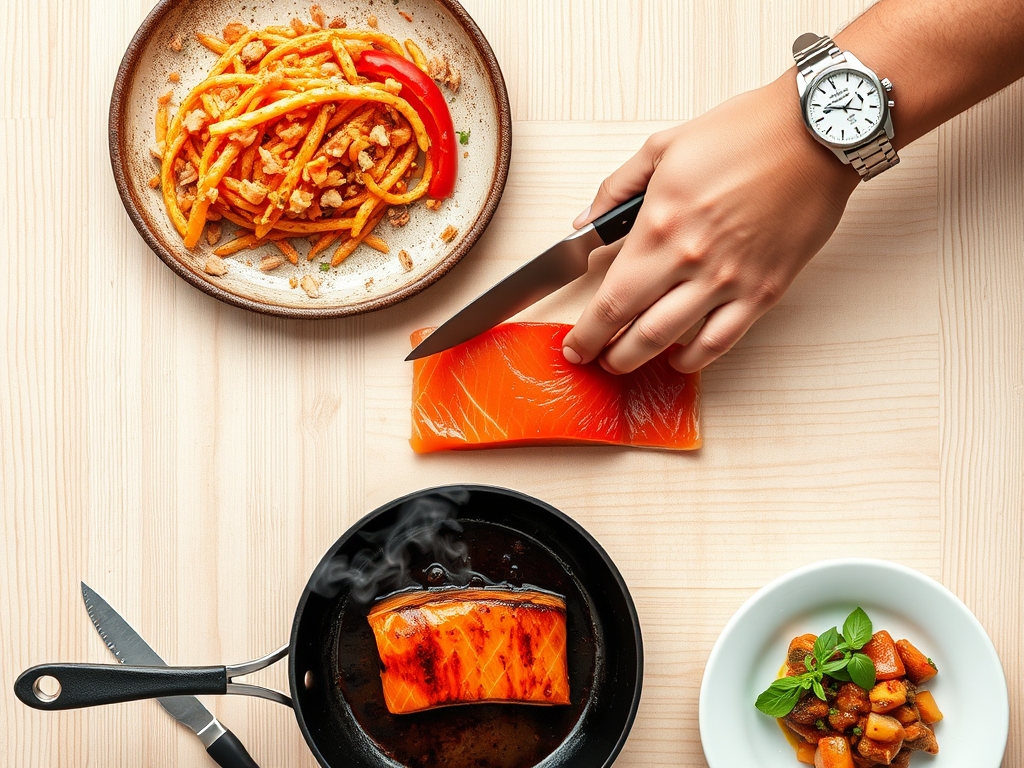
Use a long, thin slicing knife or a specialized salmon knife. Hold the blade at a 45-degree angle and cut thin, translucent ribbons against the grain.
Pro Tip: Slicing against the grain shortens the muscle fibers, making the fish feel more tender on the palate. Use a bench scraper to neatly transfer the delicate slices to your serving platter.
The Deep Dive:
Macro Nutrition:
Smoked salmon is a nutritional powerhouse. A 3-ounce serving typically contains 18 grams of high-quality protein and 600mg of Omega-3 fatty acids. While the sodium content is higher than fresh fish (roughly 600-800mg), it provides essential minerals like Selenium and Vitamin B12.
Dietary Swaps:
For a Keto version, eliminate the sugar and use a combination of erythritol and a drop of liquid stevia to mimic the molasses notes of brown sugar. For a Vegan "salmon," use large carrots that have been roasted in salt, peeled, and then marinated in this same brine with added liquid smoke and kelp powder.
The Fix-It:
- White patches on the fish: This is albumin. Your smoker was too hot. Fix it by gently scraping it off with a spoon and applying a fresh layer of glaze to hide the marks.
- Fish is too salty: You over-brined or didn't rinse well. Fix it by soaking the finished fish in cold milk for 20 minutes; the calcium helps draw out excess salt.
- No smoke flavor: Your pellicle didn't form. Next time, ensure the humidity in the room is low during the air-drying stage.
Meal Prep:
To reheat without losing quality, place the salmon in a shallow dish with a tablespoon of water, cover tightly with foil, and warm in a 275-degree oven for 8 minutes. This creates a gentle steam environment that prevents the fats from rendering out and drying the meat.
The Wrap-Up:
Mastering the best smoked salmon recipes brine is a rite of passage for any serious home cook. It requires you to be part scientist and part artist. By controlling the salt concentration, the airflow, and the thermal trajectory, you are creating a product that is infinitely superior to anything found in a plastic vacuum-seal bag at the grocery store. The texture should be supple, the flavor a balanced dance of salt, smoke, and sweet, and the color a deep, inviting amber. Now, call your friends, toast some bagels, and show off that professional-grade cure!
The Kitchen Table:
How long can I keep smoked salmon in the fridge?
Properly cured and smoked salmon will stay fresh for up to seven days when stored in an airtight container. For longer storage, vacuum seal the fillets; they will maintain peak quality in the freezer for up to six months.
What is the best wood for smoking salmon?
Fruitwoods like apple, cherry, or peach provide a mild, sweet smoke that complements the fatty oils of the salmon. Avoid heavy woods like hickory or mesquite, which can overwhelm the delicate flavor of the fish and leave a bitter aftertaste.
Can I use frozen salmon for this recipe?
Yes, but ensure it is completely thawed in the refrigerator before brining. Frozen salmon actually absorbs brine more quickly because the freezing process breaks down cell walls, so reduce your brining time by about 10 percent to avoid over-salting.
Why did my salmon turn out dry?
Dryness usually results from overcooking or skipping the sugar in the brine. Ensure you pull the fish at an internal temperature of 140 degrees Fahrenheit. The sugar is vital because it holds onto moisture during the long smoking process.