
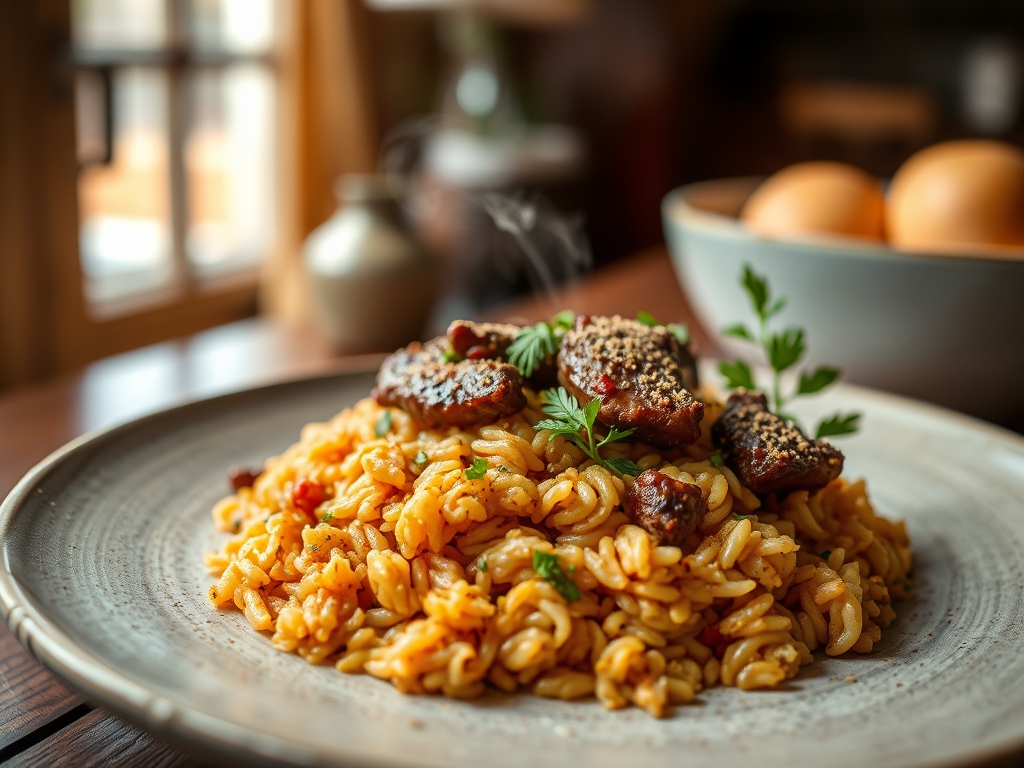
Imagine the sound of cold beef hitting a preheated cast iron skillet; it is a violent, beautiful hiss that signals the start of the Maillard reaction. This is the foundation of the best spanish rice beef recipes, where humble pantry staples transform into a complex tapestry of smoke, spice, and savory depth. You are not just making dinner; you are managing a series of precise chemical transitions. We are looking for that perfect moment when the rice grains are toasted to a nutty golden brown and the beef fat has rendered into a liquid gold that coats every single kernel. The air in your kitchen should turn thick with the scent of toasted cumin and sweet paprika, creating an olfactory experience that pulls everyone toward the stove. Whether you are a seasoned home cook or a weekend warrior, mastering this one-pan wonder requires more than just following a list. It demands an understanding of how starch, protein, and heat interact to create a dish that is simultaneously fluffy and rich. Let us dive into the mechanics of the perfect skillet, ensuring every bite is a balanced explosion of piquant acidity and deep, meaty umami that defines the very best of comfort food.
The Gathers:
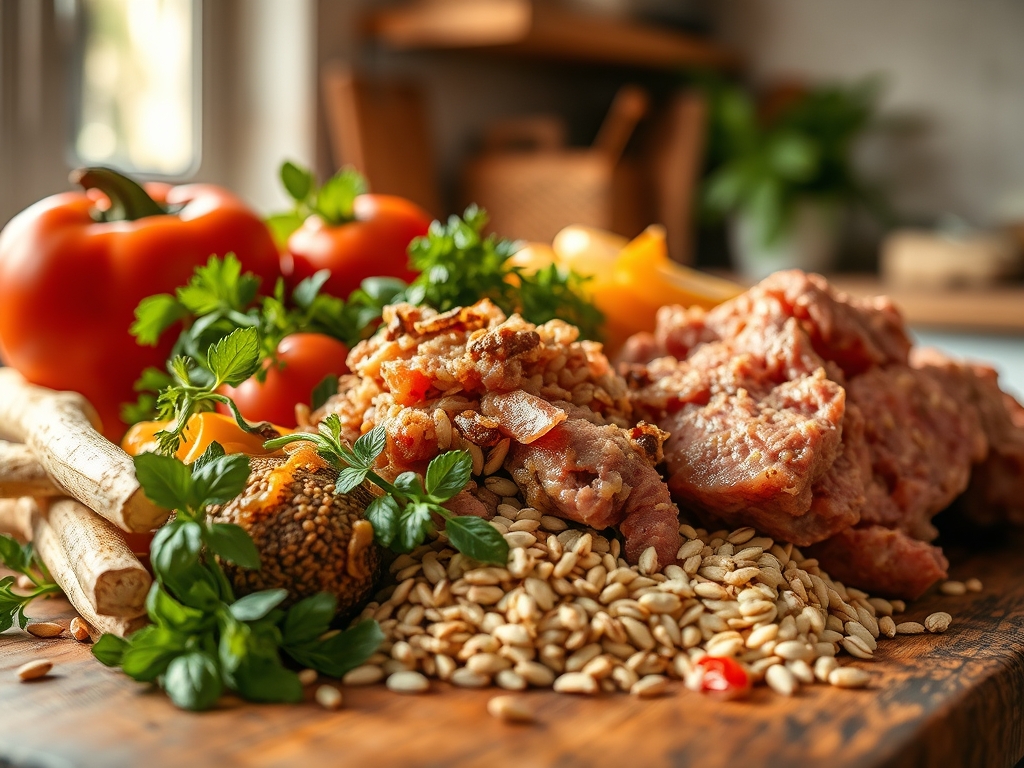
To achieve professional results, your mise-en-place must be flawless. Start with one pound of high-quality ground beef, ideally an 80/20 blend. This ratio is critical because the rendered lipids provide the necessary medium to toast the rice without burning it. You will need long-grain white rice; its high amylopectin content ensures the grains remain distinct rather than clumping into a porridge. For the aromatic base, gather a yellow onion, a green bell pepper, and four cloves of garlic. Use a microplane to grate the garlic into a fine paste, which allows the sulfurous compounds to integrate more uniformly into the sauce.
The liquid component is where the magic happens. You need a high-quality beef stock and a can of fire-roasted tomatoes. The acidity in the tomatoes is not just for flavor; it helps to balance the richness of the beef fat. For the spice profile, reach for smoked paprika, ground cumin, and a pinch of dried oregano. If you want to elevate the dish, include a splash of Worcestershire sauce to boost the nucleotide-driven umami.
Smart Substitutions: If you are looking to lighten the profile, ground turkey or lean bison work beautifully, though you may need to add a tablespoon of avocado oil to the pan. For a low-glycemic option, cauliflower rice can be swapped in, but you must reduce the liquid volume by seventy percent to avoid a soggy texture. If you lack fresh aromatics, a high-quality mirepoix powder can suffice in a pinch, though the textural loss is significant.
The Clock: 15 Prep, 25 Cook
The "Chef's Flow" is all about overlapping tasks to maximize efficiency. Your total active time is approximately forty minutes. Spend the first fifteen minutes on precision knife work. Use a bench scraper to move your diced aromatics from the cutting board to prep bowls. Once the heat is on, the process moves quickly. The beef browning takes eight minutes, the rice toasting takes five, and the simmer phase is a hands-off eighteen to twenty minutes. This structured approach prevents the "panic cook" and ensures your kitchen remains organized.
The Masterclass:
1. The Maillard Foundation
Place your heavy-bottomed skillet over medium-high heat. Once the pan is shimmering, add the ground beef. Use a wooden spoon or a specialized meat masher to break the protein into small, uniform crumbles. Do not stir constantly; let the meat sit undisturbed for three minutes to develop a deep brown crust.
Pro Tip: This is enzymatic browning. By allowing the meat to sear, you are creating new flavor molecules that do not exist in raw meat. If you crowd the pan, the beef will steam in its own moisture rather than sear, resulting in a gray, bland texture.
2. Rendering and Aromatics
Once the beef is browned, push it to the perimeter of the pan. Add your diced onions and peppers into the center, using the rendered fat as your cooking medium. Sauté until the onions are translucent and the peppers have softened slightly. Add the garlic paste in the last sixty seconds to prevent the delicate phenols from scorching.
Pro Tip: The fat acts as a solvent for the fat-soluble compounds in the spices. Adding your cumin and paprika now, a process called blooming, intensifies their flavor profile significantly compared to adding them to the liquid later.
3. The Rice Toasting
Add the dry rice directly into the skillet with the beef and aromatics. Stir constantly for three to five minutes until the rice grains turn opaque and smell slightly nutty. You are looking for a pale golden hue across the majority of the grains.
Pro Tip: Toasting the rice creates a protective coating of fat and toasted starch around each grain. This prevents the rice from absorbing water too quickly, which is the secret to achieving the "separate grain" texture found in elite spanish rice beef recipes.
4. Deglazing and Integration
Pour in your beef stock and fire-roasted tomatoes. Use your spoon to scrape the bottom of the pan, a process known as deglazing. This releases the "fond," those flavorful browned bits stuck to the skillet, and incorporates them into the sauce. Bring the mixture to a vigorous boil.
Pro Tip: This step utilizes thermal deglazing to recover concentrated flavors. The liquid acts as a solvent, lifting the caramelized proteins and sugars back into the bulk of the dish.
5. The Controlled Simmer
Reduce the heat to low and cover the skillet with a tight-fitting lid. This creates a closed system where steam pressure helps cook the rice evenly. Let it simmer for eighteen minutes. Resist the urge to lift the lid, as this releases the steam and drops the internal temperature.
Pro Tip: This is the absorption method. By maintaining a constant temperature just below boiling, you allow the starch granules to swell and gelatinize without breaking apart, ensuring a tender yet firm bite.
6. The Rest and Aeration
Turn off the heat and let the skillet sit, covered, for five minutes. Afterward, remove the lid and use a fork to gently aerate the rice. This involves lifting and folding the grains rather than stirring, which prevents the rice from becoming gummy.
Pro Tip: This rest period allows for thermal carryover. The residual heat finishes cooking the center of the rice grains while the moisture redistributes evenly throughout the pan, preventing a soggy bottom.
The Deep Dive:
From a nutritional standpoint, this dish is a powerhouse of macros. A standard serving provides approximately 28 grams of protein and 35 grams of complex carbohydrates. To make this Keto-friendly, swap the rice for riced broccoli and omit the tomatoes to lower the net carb count. For a Vegan version, utilize soy-based crumbles and vegetable bouillon; the addition of a teaspoon of liquid smoke will replicate the depth of the beef.
The Fix-It:
- Crunchy Rice: If the rice is still hard after the timer, add a quarter cup of hot water and cover for five more minutes. The issue was likely an ill-fitting lid.
- Soggy Texture: If it is too wet, remove the lid and increase the heat to medium for three minutes to evaporate excess moisture.
- Bland Flavor: If it lacks punch, add a squeeze of fresh lime juice. The citric acid acts as a flavor enhancer, brightening the heavy fats and spices.
Meal Prep Science: To reheat, add a tablespoon of water before microwaving. This creates a "steam-chamber" effect that re-hydrates the starch molecules, preventing the rice from turning into hard pebbles.
The Wrap-Up:
You have just mastered the technical art of the skillet. By understanding the chemistry of the Maillard reaction and the physics of steam-cooking rice, you have elevated a simple meal into a culinary achievement. These spanish rice beef recipes are more than just fuel; they are a testament to how heat and timing can transform basic ingredients into something spectacular. Now, grab your favorite bowl, top it with a bit of fresh cilantro or a dollop of cool sour cream, and enjoy the fruits of your scientific labor.
The Kitchen Table:
What is the best rice for Spanish rice beef recipes?
Long-grain white rice or Basmati is ideal. These varieties have a high amylose content, which ensures the grains stay separate and fluffy after cooking, rather than sticking together or becoming mushy like short-grain varieties.
Can I make this recipe in a slow cooker?
Yes, but you must brown the beef and toast the rice in a skillet first. Transfer to the slow cooker with slightly less liquid and cook on low for 3-4 hours to prevent the rice from over-hydrating.
How do I prevent the rice from sticking to the pan?
The key is the initial toasting phase. By coating the rice grains in rendered beef fat or oil before adding liquid, you create a hydrophobic barrier that regulates starch release and prevents sticking.
Why is my Spanish rice orange instead of red?
The color comes from the ratio of tomato paste to spices. For a deeper red, increase the amount of smoked paprika or add a tablespoon of concentrated tomato paste during the aromatic sauté phase.
How long does this dish stay fresh in the fridge?
When stored in an airtight container, it remains high-quality for up to four days. The flavors often deepen by day two as the spices continue to infuse into the rice and protein.