
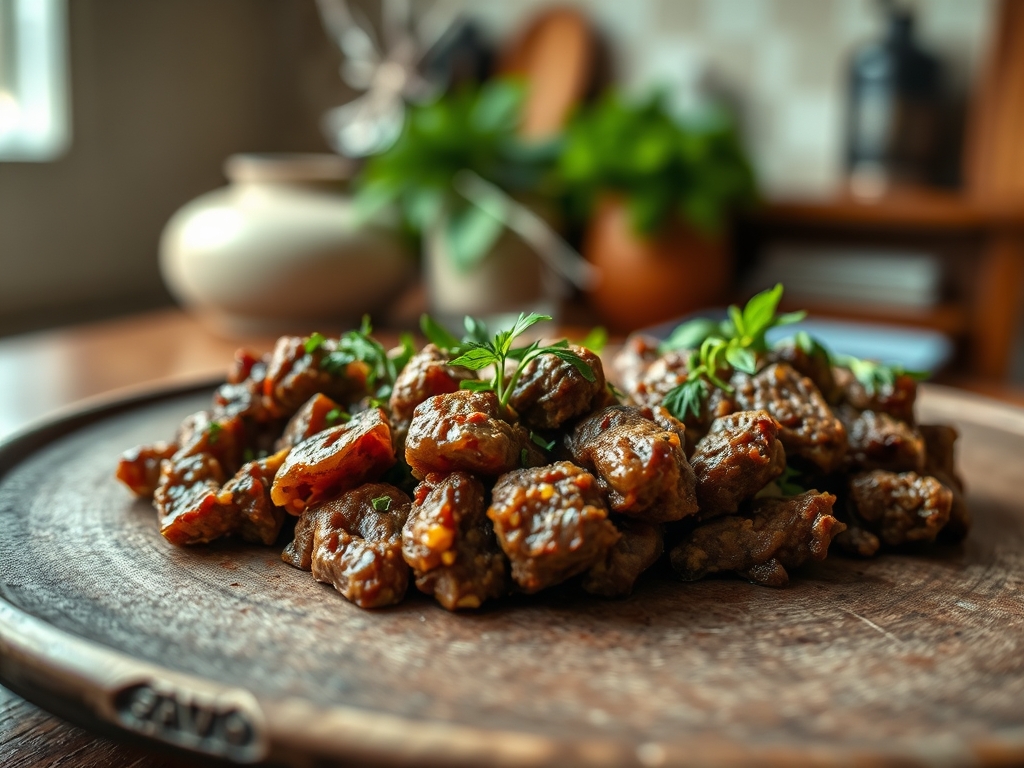
Imagine the scent of searing iron and sweet shallots wafting through a sunlit Parisian kitchen. There is a certain magic in how a simple humble protein can be elevated into something truly sophisticated. When you master traditional french ground beef recipes, you are not just cooking; you are performing a delicate dance of heat and chemistry that transforms everyday ingredients into a bistro-worthy feast.
French home cooking is less about expensive cuts and more about the technique applied to what you have on hand. Whether you are folding meat into a silken Parmentier or shaping it into a piquant steak haché, the goal is always the same: maximum flavor extraction. We are going to dive into seven foundational classics that define the French approach to ground beef, ensuring every bite is rich, tender, and perfectly seasoned. Grab your favorite apron and a glass of red wine; we are about to turn your kitchen into the best seat in the city.
The Gathers:
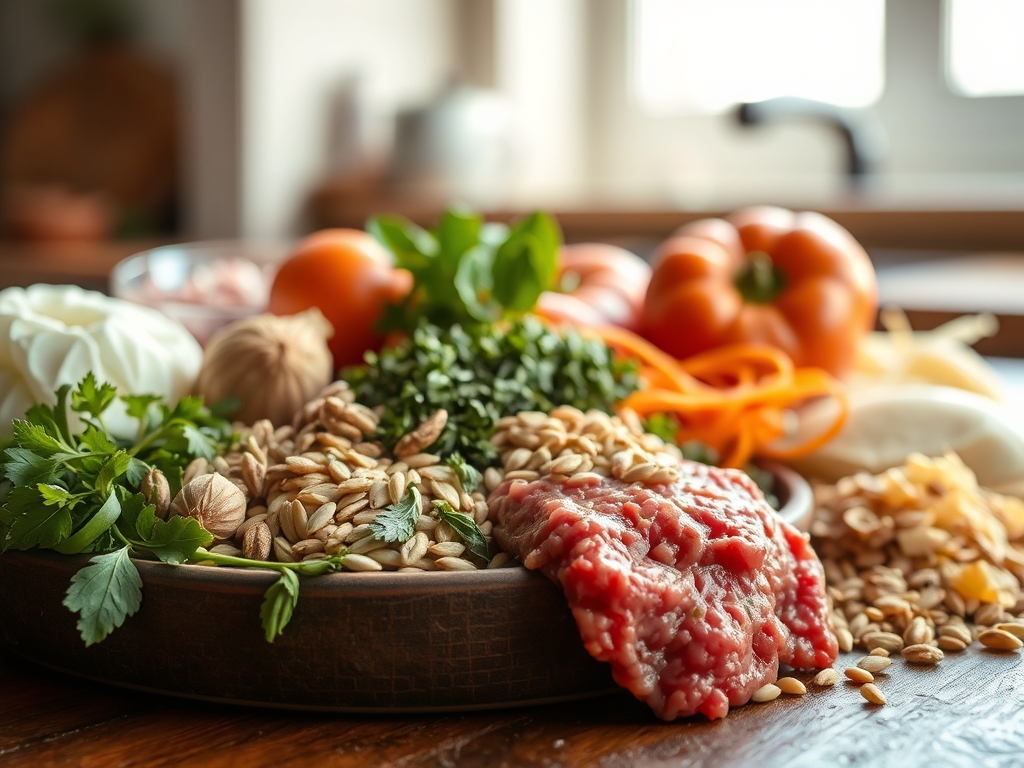
To execute these french ground beef recipes with precision, your mise-en-place must be impeccable. You will need high-quality ground beef, ideally a 20 percent fat blend to ensure the meat remains succulent during the Maillard reaction. The fat is not just for flavor; it acts as a heat conductor within the protein fibers. You will also need a saucier for your reductions and a heavy-bottomed skillet for that perfect crust.
Essential ingredients include fresh shallots, garlic, and a bouquet garni of thyme, bay leaf, and parsley. Do not forget the high-fat European butter; its lower water content ensures a more stable emulsion when finishing sauces. For acidity, keep a bottle of dry red wine and some cognac nearby to deglaze your pans.
Smart Substitutions: If you cannot find traditional French shallots, use the white parts of green onions mixed with a pinch of garlic powder. For a lighter version, you can swap half the beef for ground veal, which adds a delicate, gelatinous texture that helps bind sauces without extra flour. If you are avoiding alcohol, a splash of verjuice or a high-quality beef bone broth with a teaspoon of balsamic vinegar will mimic that necessary acidic brightness.
The Clock
Efficiency in the kitchen is all about the Chef's Flow. For most of these recipes, you are looking at a 20-minute prep time and a 30 to 45-minute cook time. The secret to the flow is multitasking. While your aromatics are sweating in the skillet, you should be measuring your liquids using a digital scale for accuracy.
The "inactive" time is your best friend. While a Hachis Parmentier bakes, use that window to clean your bench scraper and prep a simple vinaigrette for a side salad. Never rush the browning process. Allowing the meat to sear undisturbed for four minutes is more productive than stirring it constantly. This patience ensures you develop a deep fond, which is the savory foundation for every classic sauce.
The Masterclass
1. The Sear and Render
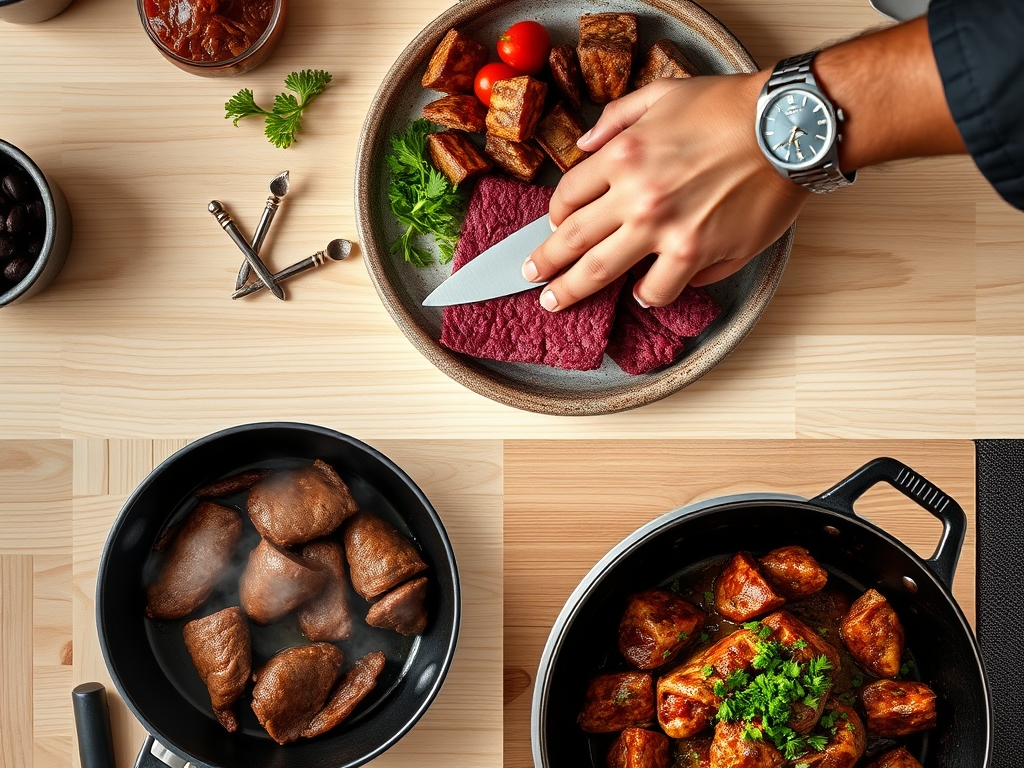
Begin by heating your heavy-bottomed skillet over medium-high heat. Add a small amount of oil with a high smoke point. Place the beef in the pan in a single layer. Do not crowd the pan, as this causes the meat to steam in its own moisture rather than sear. Use your tongs to break the meat into large chunks.
Pro Tip: This step relies on the Maillard reaction, a chemical reaction between amino acids and reducing sugars that gives browned food its distinctive flavor. If you move the meat too soon, you interrupt the formation of these flavor compounds and lose that savory "umami" punch.
2. Deglazing the Fond
Once the meat is browned and removed, you will see brown bits stuck to the bottom of the pan. This is called the fond. Pour in your wine or stock and use a wooden spoon to scrape these bits loose. This process incorporates the concentrated beef essence back into your sauce.
Pro Tip: Deglazing is an example of solvent extraction. The alcohol in the wine dissolves flavor compounds that are not water-soluble, creating a more complex and layered flavor profile than water alone could achieve.
3. The Emulsion Finish
When your sauce has reduced and become viscous, remove it from the heat. Whisk in cold cubes of butter one at a time. This technique, known as monter au beurre, creates a glossy, thickened finish that coats the back of a spoon.
Pro Tip: Keeping the butter cold is essential for a stable emulsion. The cold fat incorporates slowly into the warm liquid, preventing the sauce from "breaking" or becoming greasy. This is physics in action on your plate.
4. Aerating the Mash
For dishes like Parmentier, your potato topping must be light. Use a ricer or a food mill rather than a masher. Fold in warm cream and butter gently to keep the texture silken.
Pro Tip: Over-working potatoes releases excess starch, which can turn the mixture gluey. By using a ricer, you aerate the potatoes, keeping the starch granules intact for a fluffy, cloud-like finish.
The Deep Dive
When we look at the macro nutrition, these french ground beef recipes are powerhouses of protein and essential minerals like iron and B12. A standard serving provides roughly 30 grams of protein. To balance the richness, always serve these dishes with a side of bitter greens to aid digestion.
Dietary Swaps:
- Keto: Replace the potato topping in shepherds-style dishes with a cauliflower puree thickened with egg yolk.
- Vegan: Use a mix of lentils and finely chopped mushrooms. Pulse them in a food processor to mimic the texture of ground beef, then use miso paste to add that missing savory depth.
- Gluten-Free: Use cornstarch or a long reduction instead of a flour-based roux to thicken your sauces.
The Fix-It:
- Greasy Sauce: If your sauce looks oily, your emulsion has broken. Fix it by whisking in a teaspoon of very hot water or a splash of cold cream to re-bind the fats.
- Tough Meat: This usually happens from over-handling or cooking on too high a heat for too long. Next time, add a pinch of baking soda to the raw meat 15 minutes before cooking to raise the pH and keep it tender.
- Bland Flavor: If it tastes flat, it usually needs acidity, not salt. Use a microplane to zest a little lemon over the dish or add a tiny drop of sherry vinegar.
Meal Prep: To maintain "day-one" quality when reheating, avoid the microwave if possible. Reheat on the stovetop with a tablespoon of water or broth. This creates steam that re-hydrates the protein fibers without overcooking the center.
The Wrap-Up
Mastering these french ground beef recipes is like gaining a superpower in the kitchen. You have learned how to harness the power of the Maillard reaction, the elegance of a wine reduction, and the science of a perfect emulsion. These techniques are the building blocks of all great French cuisine. Remember, the best food comes from a place of curiosity and a willingness to experiment with heat and timing. Now, go forth and turn that pound of beef into a masterpiece!
The Kitchen Table
Can I use frozen ground beef for these recipes?
Yes, but ensure it is fully thawed in the refrigerator first. Pat the meat dry with paper towels before searing to remove excess moisture. This ensures you get a proper crust rather than steaming the meat in the pan.
Why does my ground beef turn grey instead of brown?
This happens when the pan is not hot enough or is overcrowded. The moisture escaping the meat cannot evaporate fast enough, so the beef boils in its own juices. Cook in batches and use a high-heat oil.
What is the best way to store leftovers?
Store in an airtight container for up to three days. For the best texture, keep the meat and any potato toppings in the same container to allow the flavors to infuse together overnight, making the dish even better the next day.
How do I make the beef flavor more intense?
Add a teaspoon of tomato paste or a splash of Worcestershire sauce during the browning phase. These ingredients are rich in glutamates, which enhance the natural savory profile of the beef through synergistic flavor pairing.