
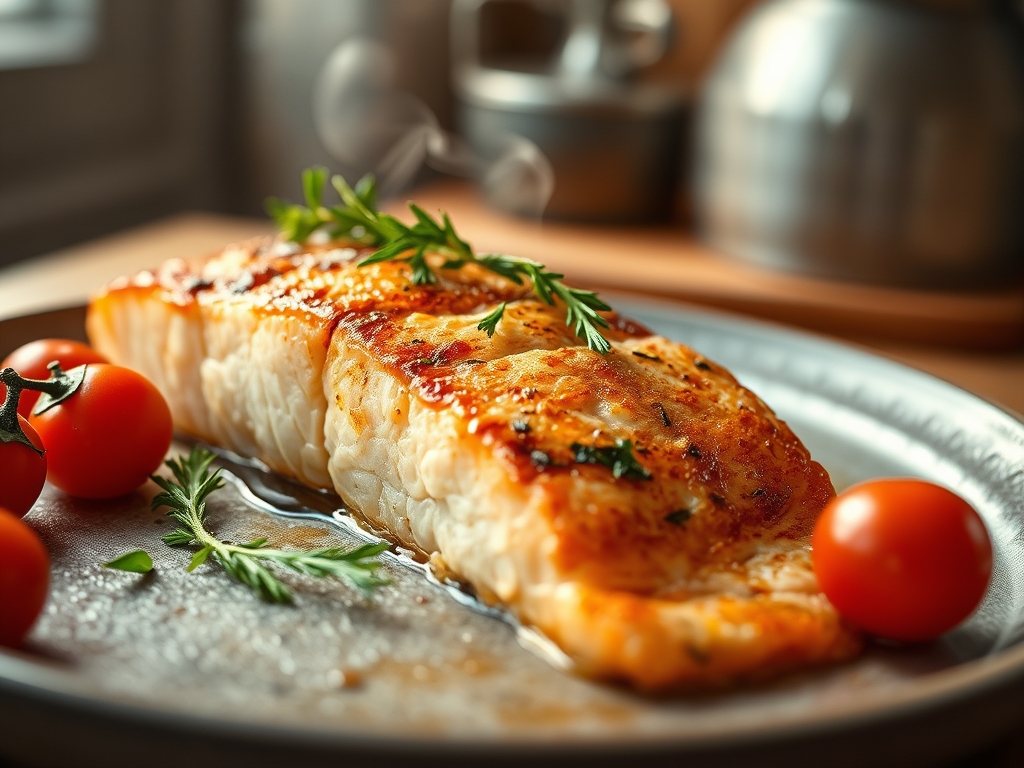
Imagine the sharp, acidic pop of a blistered fruit meeting the buttery, velvet flake of a cold water fish. These salmon recipes with cherry tomatoes are more than just a weeknight convenience; they are a study in chemical harmony. When the natural glutamates in tomatoes meet the rich omega-3 fatty acids in the fish, you achieve a savory depth known as synergistic umami.
The magic happens when high heat causes the tomato skins to fracture, releasing a viscous juice that emulsifies with rendered salmon fat. This creates a self-made pan sauce that is piquant, bright, and deeply satisfying. Whether you are searing on a heavy-bottomed skillet or roasting on a sheet pan, the interplay of textures is addictive. We are talking about crisp, salt-crusted skin and interior flesh that yields to the slightest pressure of a fork.
If you have ever struggled with dry fish or bland vegetables, this combination is your redemption arc. The acidity of the tomato acts as a natural tenderizer, while the natural sugars undergo a rapid Maillard reaction to provide a smoky sweetness. Let us dive into the technical nuances of making this vibrant pairing your new kitchen signature.
The Gathers:
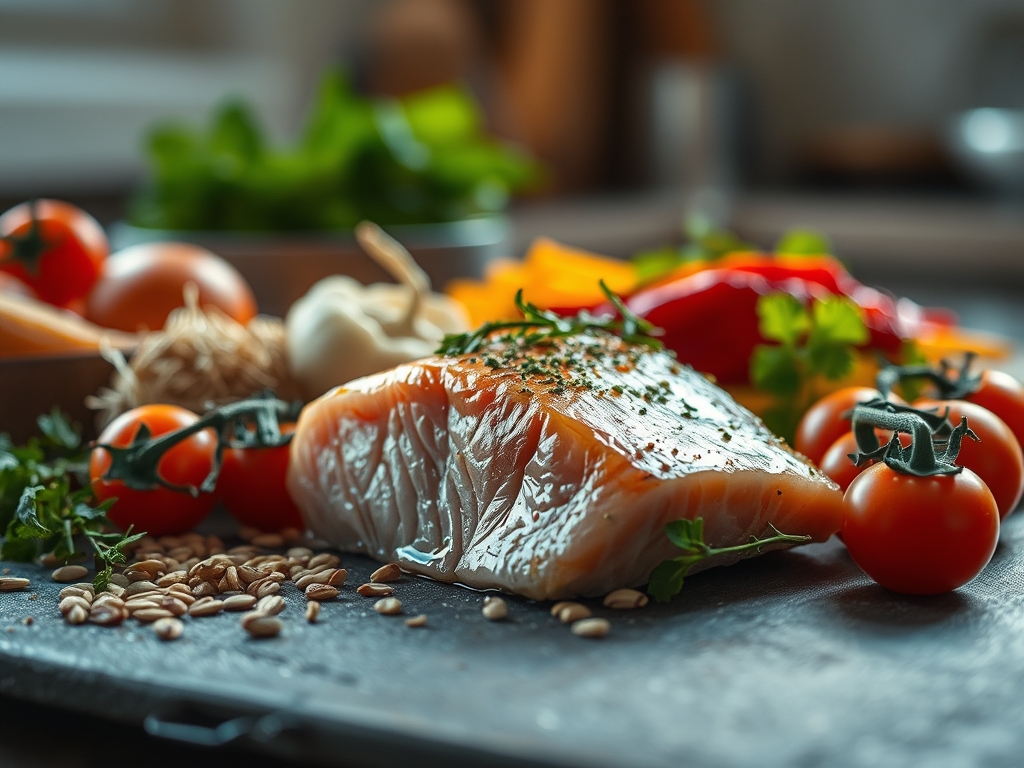
To execute these salmon recipes with cherry tomatoes with precision, your mise-en-place must be flawless. Start with six-ounce center-cut fillets; this specific cut ensures even thermal distribution. You will need a pint of heirloom cherry tomatoes, which offer a broader spectrum of acidity and sugar than standard red varieties.
For the aromatics, gather fresh garlic cloves to be processed with a microplane for maximum surface area, and shallots for a delicate, sulfurous bite. You will also need high-quality fats: a cold-pressed extra virgin olive oil for its low smoke point and grassy notes, or clarified butter if you want a more luxurious mouthfeel.
Smart Substitutions: If cherry tomatoes are out of season, sun-dried tomatoes packed in oil offer a concentrated, chewy alternative. For the fish, steelhead trout is a near-identical substitute in terms of fat content and flake structure. If you are avoiding alliums, a pinch of asafoetida powder can mimic the savory profile of garlic without the digestive distress. Always keep a digital scale nearby to ensure your protein portions are consistent, which is the secret to predictable cooking times.
The Clock: 15 Minutes Prep, 12 Minutes Cook
The "Chef's Flow" is all about minimizing downtime. Spend your first five minutes on the "cold prep": washing the tomatoes and patting the salmon bone-dry with paper towels. Moisture is the enemy of the Maillard reaction. While the oven preheats or the skillet gathers heat, use a bench scraper to organize your minced aromatics.
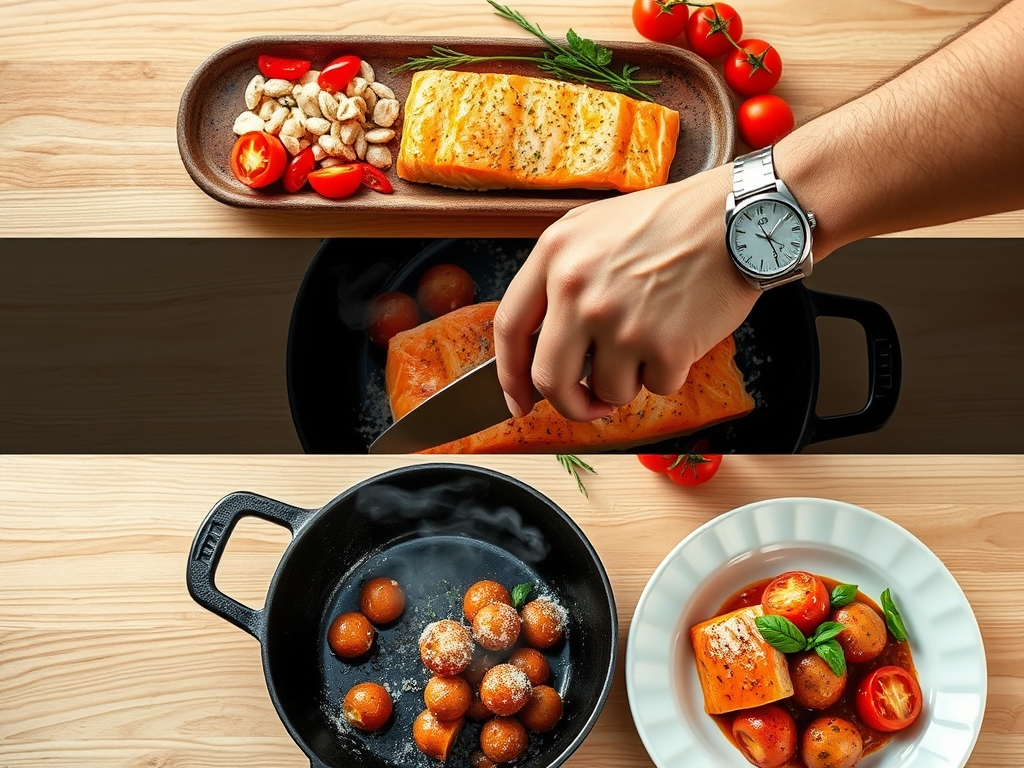
The actual cooking phase is a sprint. The tomatoes require about four minutes to blister and "slump," while the salmon needs approximately three to four minutes per side depending on thickness. By the time the fish reaches its target internal temperature, the tomatoes will have surrendered their juices to create a glossy glaze. Total elapsed time: under 30 minutes from fridge to table.
The Masterclass:
1. Tempering the Protein
Remove your salmon from the refrigerator 20 minutes before cooking. This allows the muscle fibers to relax and ensures the center reaches the desired temperature without overcooking the exterior. Use a digital thermometer to track progress.
Pro Tip: This prevents "thermal shock." If cold fish hits a hot pan, the proteins contract violently, squeezing out moisture and leaving you with a tough, rubbery texture.
2. The Great Desiccation
Pat the skin side of the salmon until the paper towel comes away completely dry. Season aggressively with kosher salt. The salt draws out residual moisture through osmosis, which then evaporates instantly in the pan.
Pro Tip: Achieving a "glass-like" skin requires the removal of surface water. This allows the heat to focus on denaturing proteins and rendering fat rather than steaming the fish.
3. Blistering the Aromatics
Heat your heavy-bottomed skillet over medium-high heat. Add the tomatoes whole. Do not crowd them; they need space for the air to circulate so they roast rather than boil in their own steam.
Pro Tip: High heat triggers the breakdown of pectin in the tomato skins. Once they "pop," the released sugars caramelize, creating a complex, smoky base for your sauce.
4. The Sear and Flip
Place the salmon skin-side down. Use tongs to press the fillet firmly against the pan for the first 30 seconds. This prevents the skin from curling as the collagen fibers shrink.
Pro Tip: This is the Maillard reaction in action. The amino acids and reducing sugars transform into hundreds of flavor compounds, creating that savory brown crust.
5. Deglazing the Fond
Once the fish is flipped, add a splash of dry white wine or lemon juice. Use a wooden spoon to scrape up the brown bits (the fond) stuck to the bottom of the pan.
Pro Tip: Deglazing incorporates the concentrated flavors of the seared protein back into the tomato juices, creating a sophisticated, emulsified sauce with zero waste.
6. The Rest and Infuse
Remove the pan from the heat when the salmon is 5 degrees below your target temperature. Toss in fresh basil or dill and a knob of cold butter.
Pro Tip: This utilizes carryover cooking. The internal residual heat will finish the cooking process gently, ensuring the fats remain viscous rather than leaking out as white albumin.
The Deep Dive:
From a nutritional standpoint, this dish is a powerhouse. You are looking at roughly 35 grams of high-quality protein and a significant dose of lycopene, an antioxidant in tomatoes that becomes more bioavailable when heated.
Dietary Swaps: For a Keto version, serve over sautéed spinach instead of pasta. Vegan guests can swap the salmon for thick "steaks" of roasted cauliflower or firm tofu, though you will need to increase the seasoning to compensate for the lack of fish fats. For a Gluten-Free plate, ensure your deglazing liquid is a pure vinegar or wine rather than a pre-mixed sauce.
The Fix-It:
- The Skin is Soggy: You likely flipped too early or used too much oil. Next time, wait for the fish to "self-release" from the pan.
- The Tomatoes are Bitter: This happens with under-ripe fruit. Fix it by adding a tiny pinch of sugar or a drop of balsamic glaze to balance the pH.
- White Gunk (Albumin) Appearing: The heat was too high. This is just protein pushing out; it is safe to eat, but next time, lower the flame to preserve the internal juices.
Meal Prep: To reheat without turning the salmon into a brick, use the "low and slow" method. Place the leftovers in a covered dish with a teaspoon of water and heat at 275°F until just warm. This prevents the delicate fats from oxidizing and becoming "fishy."
The Wrap-Up:
Mastering salmon recipes with cherry tomatoes is like learning a secret handshake in the culinary world. It is the ultimate "lazy-elegant" meal that relies on chemistry rather than complicated techniques. When you see those tomatoes start to shrivel and the salmon skin turn into a golden cracker, you know you have nailed the balance of acid, fat, and heat. Take your saucier and drizzle every last drop of that pan juice over the plate; you earned it!
The Kitchen Table:
How do I keep salmon skin from sticking?
Ensure the pan is "rippling" hot before adding oil. Pat the skin completely dry with paper towels. Once the salmon hits the pan, do not move it for at least three minutes to allow the crust to form and self-release.
Can I use frozen salmon for this?
Yes, but thaw it completely in the refrigerator overnight. Frozen fish contains more moisture, so you must be extra diligent about drying the surface. Otherwise, the excess water will steam the fish instead of searing it.
Which cherry tomatoes work best?
Sun-gold or heirloom varieties are superior because they have a higher sugar-to-acid ratio. They provide a more complex flavor profile when caramelized compared to standard red grape tomatoes, which can sometimes stay quite tart.
How do I know when the salmon is done?
The most reliable method is using a digital thermometer to reach 125°F for medium-rare or 135°F for medium. Visually, the fish should be opaque on the outside and flake easily when pressed with a fork.