
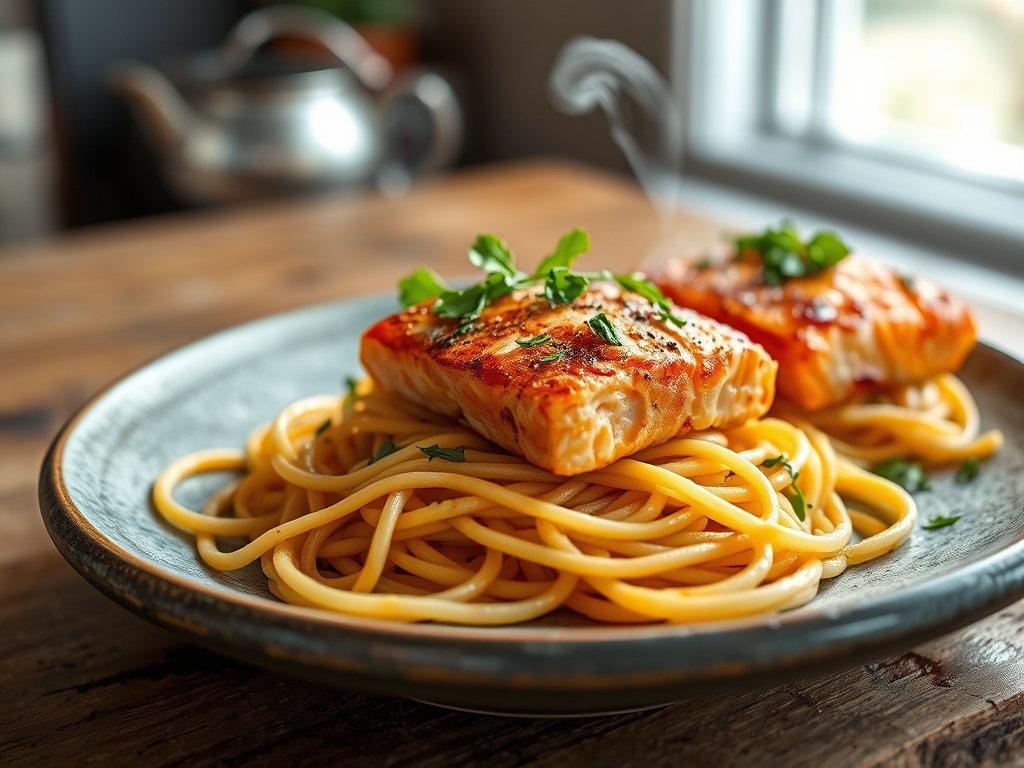
Picture the golden crust of a perfectly seared fillet yielding to the gentle pressure of your fork; revealing translucent; fatty flakes that melt against a backdrop of al dente pasta. This is the ultimate comfort fusion. When you master spaghetti and salmon recipes; you are balancing the delicate omega-3 richness of the sea with the structural integrity of durum wheat. It is a culinary marriage of texture and temperature.
The magic happens in the oven. Unlike a standard stovetop toss; a salmon bake allows the pasta to absorb the rendered fats from the fish; creating a self-basting environment that infuses every strand with savory depth. We are moving beyond basic noodles. We are talking about high-density flavor profiles that range from zesty lemon-caper infusions to velvet-smooth garlic cream reductions. Whether you are hosting a frantic weeknight dinner or a slow Sunday feast; these recipes provide the perfect canvas for both nutritional density and pure; unadulterated decadence.
The Gathers:
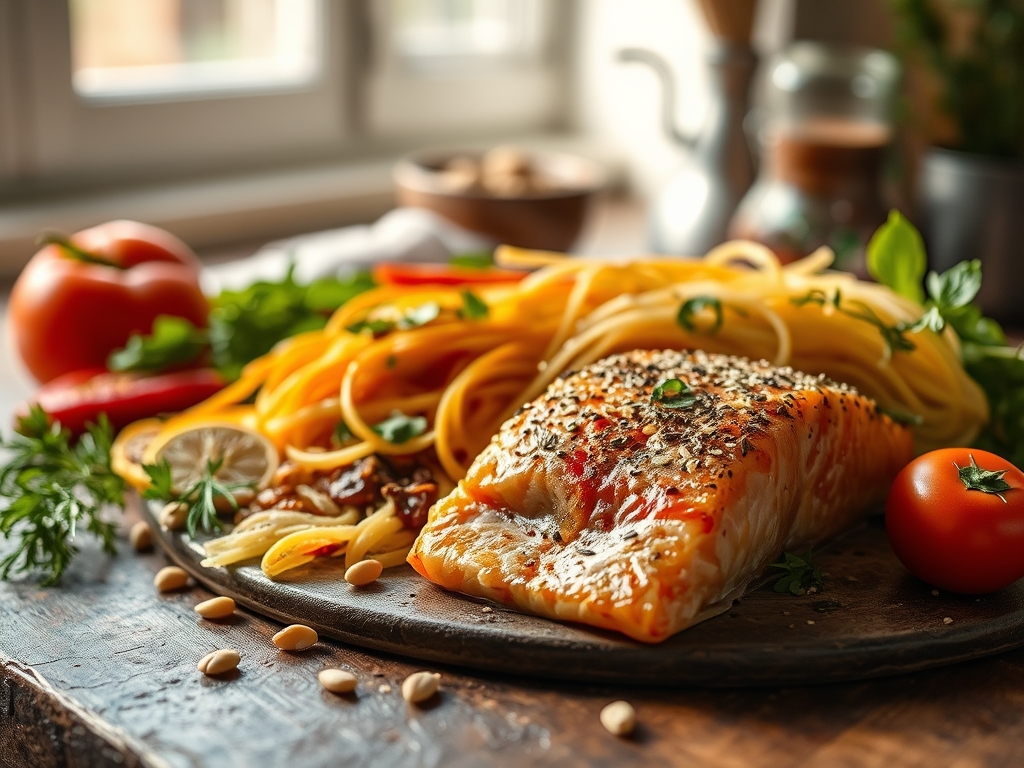
To execute these spaghetti and salmon recipes with precision; your mise-en-place must be impeccable. Start with high-quality Atlantic or King salmon; looking for vibrant color and firm muscular structure. You will need a digital scale to ensure your protein-to-carb ratio remains balanced; preventing the pasta from overshadowing the fish.
Your pantry staples should include cold-pressed extra virgin olive oil for its low-oxidation stability and a block of aged Parmigiano-Reggiano. Use a microplane to zest fresh lemons; releasing the essential oils stored in the flavedo without hitting the bitter white pith. For the aromatics; reach for shallots and garlic; which provide a piquant base when finely minced with a sharp chef knife.
Smart Substitutions:
If you are out of traditional spaghetti; Bucatini is a fantastic alternative because its hollow center acts as a straw for viscous sauces. For those avoiding dairy; a high-fat coconut cream or an emulsion of pasta water and nutritional yeast can mimic the mouthfeel of a heavy cream reduction. If fresh salmon is unavailable; high-quality frozen fillets are perfectly acceptable; provided they are thawed slowly in the refrigerator to maintain cellular integrity and prevent a "mushy" texture upon baking.
The Clock
Efficiency in the kitchen is all about the Chef's Flow. This is the art of overlapping tasks so that no heat is wasted. For these bakes; expect a total "active" time of 15 minutes and a "passive" baking time of 20 minutes.
The flow begins with the water. It takes roughly 8 to 10 minutes for a large pot of salted water to reach a rolling boil. Use this window to prep your aromatics and portion the salmon. By the time the pasta is par-cooked (roughly 2 minutes shy of al dente); your oven should be preheated to 375 degrees Fahrenheit. The final assembly takes 3 minutes; followed by the bake. While the oven works; use that time to deglaze your pans or prepare a crisp side salad. This ensures that when the timer dings; your kitchen is already clean.
The Masterclass
1. Par-Boiling the Pasta
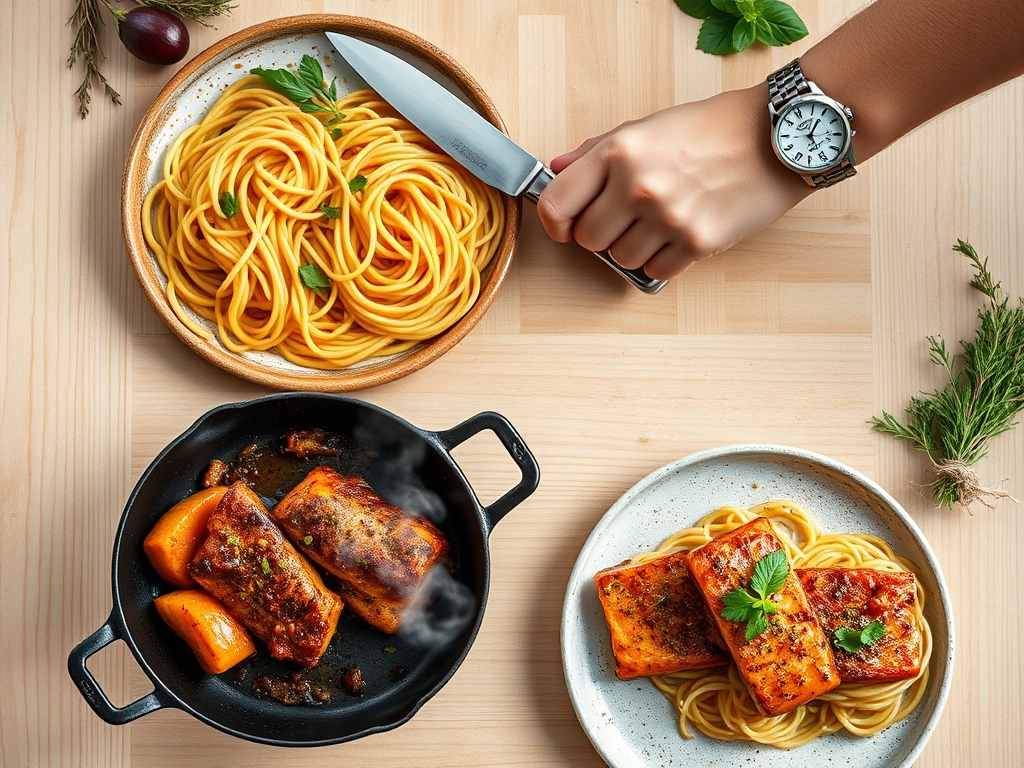
Bring a large pot of water to a boil and salt it until it tastes like the sea. Drop your spaghetti and cook it for exactly two minutes less than the package directions. Use tongs to move the pasta directly from the water to your baking dish.
Pro Tip: This is known as starch management. By undercooking the pasta; you allow it to finish its hydration cycle inside the oven; where it will suck up the flavorful juices of the salmon and sauce rather than just plain water.
2. Searing the Salmon
Heat a heavy-bottomed skillet with a splash of high-smoke-point oil. Season the salmon skin-side up and sear for 2 minutes until a golden crust forms. Do not cook it through; we are looking for the Maillard reaction here.
Pro Tip: The Maillard reaction is a chemical process between amino acids and reducing sugars that creates hundreds of different flavor compounds. Searing first ensures deep; savory complexity that baking alone cannot achieve.
3. Creating the Emulsion
In a saucier; sauté your garlic and shallots in butter until translucent. Add your liquids (cream; broth; or wine) and whisk vigorously. Introduce a splash of starchy pasta water to help bind the fats to the liquids.
Pro Tip: This creates a stable emulsion. The starches in the pasta water act as a bridge between the oil and water molecules; preventing your sauce from breaking or becoming greasy in the oven.
4. The Assembly and Bake
Nestle the seared salmon fillets into the bed of spaghetti. Pour your emulsion over the top; ensuring every strand is coated. Top with a dusting of breadcrumbs or cheese for texture. Slide the dish into the center rack of the oven.
Pro Tip: Position is key for thermal carryover. The center rack provides the most even distribution of convective heat; ensuring the salmon reaches a perfect medium-rare internal temperature of 125 degrees Fahrenheit without drying out the pasta.
The Deep Dive
When we look at the macro profile; these spaghetti and salmon recipes are nutritional powerhouses. A single serving typically provides 35g of protein; 45g of complex carbohydrates; and a significant dose of Vitamin D and B12.
Dietary Swaps:
For a Keto version; swap the spaghetti for spiralized zucchini or shirataki noodles; which have near-zero net carbs. Vegan enthusiasts can replace salmon with thick slabs of "Lion's Mane" mushroom; which mimics the flaky texture of fish; and use a cashew-based cream sauce. For Gluten-Free needs; brown rice pasta holds up best in baked applications without becoming gummy.
The Fix-It:
- Dry Fish: If your salmon is overcooked; it likely suffered from too much residual heat. Fix this by adding a dollop of crème fraîche or Greek yogurt to the plate to reintroduce moisture.
- Broken Sauce: If the sauce looks oily; your emulsion failed. Quickly whisk in a tablespoon of hot pasta water to re-emulsify the fats.
- Sticky Pasta: This happens when pasta sits too long before baking. Use a bench scraper to gently toss the noodles with a bit of olive oil before adding the sauce to keep them separate.
Meal Prep Science:
To reheat; avoid the microwave if possible; as it toughens the salmon proteins. Instead; place the leftovers in a covered skillet with a tablespoon of water over low heat. This creates a steam chamber that re-hydrates the starch molecules in the pasta while gently warming the fish.
The Wrap-Up
Mastering spaghetti and salmon recipes is about more than just following a list of steps; it is about understanding how heat and fat interact to create a cohesive dish. You are the architect of this meal. By focusing on the sear; the emulsion; and the par-bake; you transform simple ingredients into a restaurant-quality experience right in your own kitchen. Now; grab your apron; fire up that oven; and let the aroma of garlic and toasted salmon fill your home.
The Kitchen Table
Can I use canned salmon for these recipes?
Yes; though the texture will be different. Canned salmon is pre-cooked; so fold it in at the very end of the assembly process to avoid over-processing the delicate flakes. It provides a convenient; budget-friendly protein boost.
What is the best way to tell if the salmon is done?
Use a digital thermometer to check for an internal temperature of 125 to 130 degrees Fahrenheit. Alternatively; press the fillet with a fork; if the muscles separate easily into flakes; the salmon is perfectly cooked.
Why does my pasta always get mushy in the oven?
Mushiness occurs when pasta is fully cooked before baking. To prevent this; boil your spaghetti for only 5 to 6 minutes. The pasta will absorb the remaining liquid it needs from the sauce while in the oven.
Can I make this dish ahead of time?
You can prep the sauce and par-boil the pasta a day early. However; do not sear the salmon until you are ready to bake. Freshly seared salmon maintains the best structural integrity and flavor profile.