
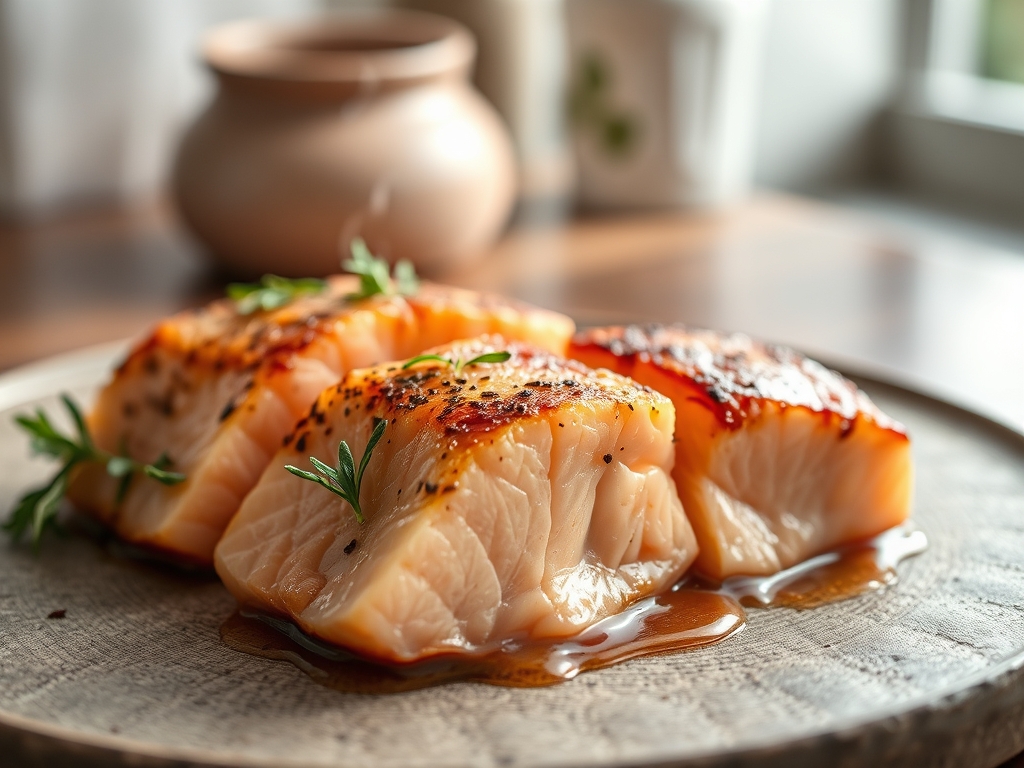
Imagine the sound of a heavy-bottomed skillet meeting a high-flame burner; it is a metallic ring that signals the start of something transformative. You are standing in your kitchen, holding a tin that holds more potential than a simple pantry staple ever should. When you master traditional double q pink salmon recipes, you are not just making a meal; you are engineering a masterpiece of texture and protein. The aroma of wild-caught Pacific fish hitting hot fat is unmistakable. It is briny, rich, and carries a hint of the deep ocean. We are moving beyond the basic salmon loaf of the past. Today, we are focusing on the chemistry of the perfect sear, the emulsification of a piquant remoulade, and the structural integrity of a patty that never crumbles. This is where high-end culinary technique meets the accessibility of your cupboard. We are going to treat this pink salmon with the same reverence as a fresh-caught fillet, using heat and acidity to unlock its most sophisticated flavors.
The Gathers:
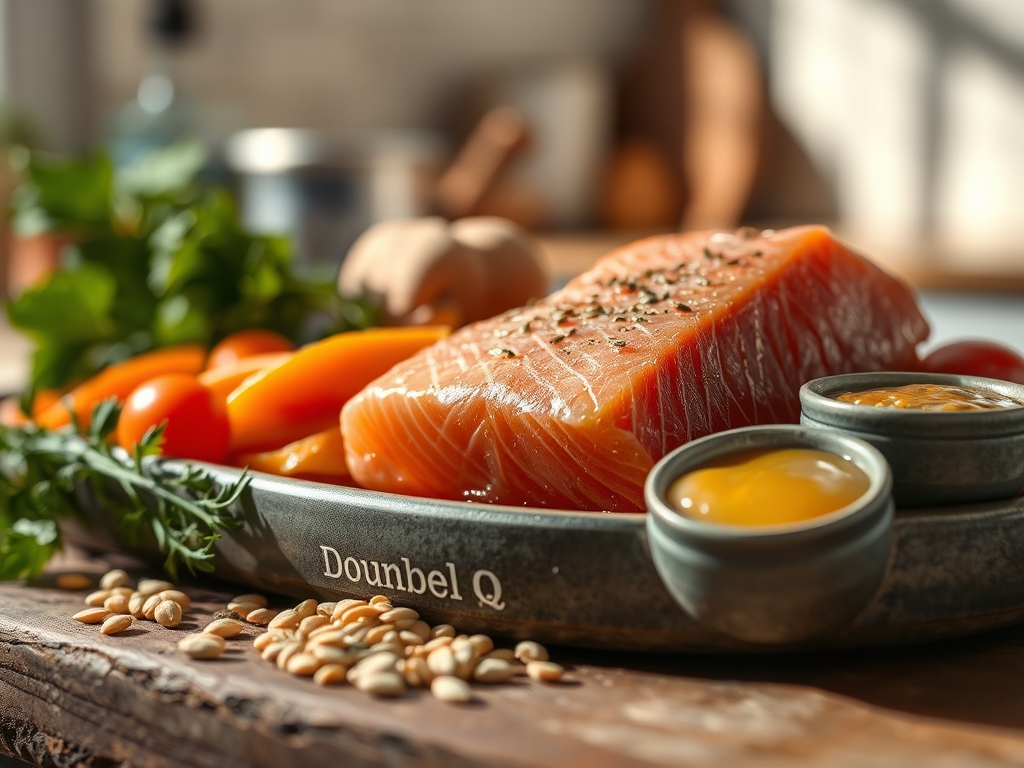
To begin, we must respect the mise-en-place. Our primary component is the Double Q Pink Salmon, which is prized for its firm texture and high omega-3 content. You will need a fine-mesh sieve to drain the liquid, but do not discard it; that viscous nectar is packed with collagen and flavor. For the structural matrix, gather panko breadcrumbs, which provide a larger surface area for the Maillard reaction compared to standard crumbs. You will also need two large eggs to act as your primary protein binder.
The aromatics are where we infuse soul into the dish. Use a microplane to zest a fresh lemon and grate a clove of garlic into a paste. This ensures the flavor is distributed evenly without biting into a raw chunk. Finely dice celery and red onion; their water content will steam the interior of the patties while the outside crisps. For the piquant finish, grab a jar of capers and some Dijon mustard.
Smart Substitutions: If you are avoiding gluten, crushed pork rinds or almond flour provide excellent structural support. For those who want a dairy-free richness, swap traditional butter for a high-smoke-point avocado oil or a refined coconut oil to ensure you can reach the necessary searing temperatures without the fat breaking down.
The Clock:
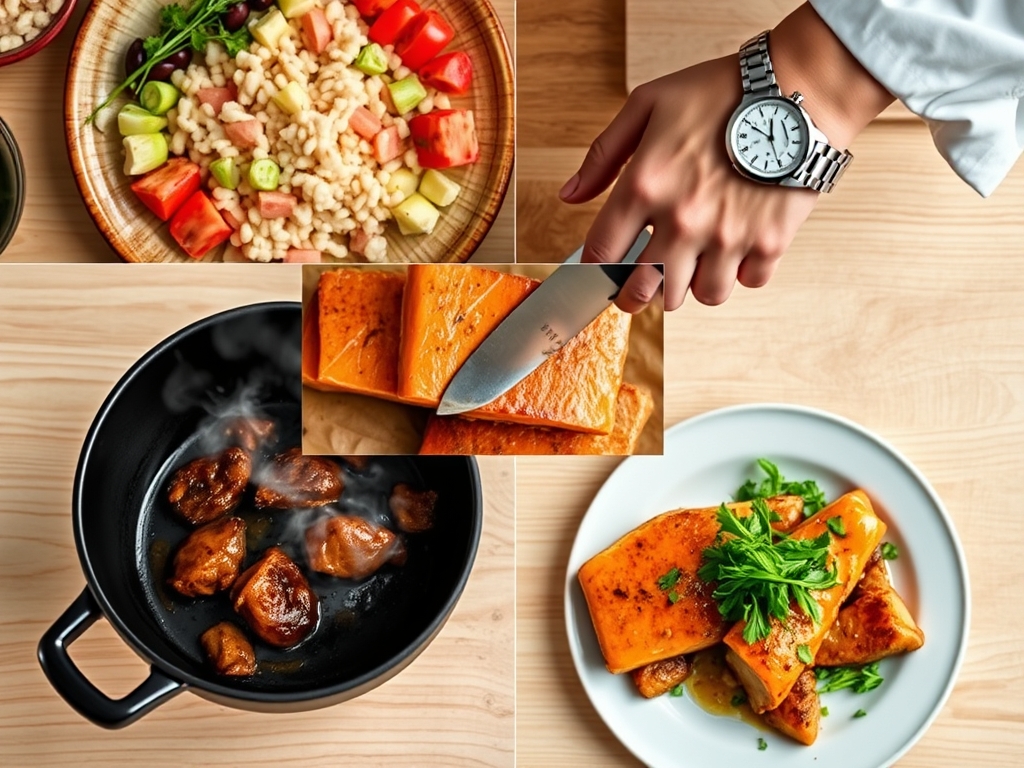
Efficiency in the kitchen is about the Chef's Flow. Total active time for these recipes is approximately 15 minutes, with a 20-minute passive chilling phase.
- The Prep (10 Minutes): This involves the mechanical breakdown of the salmon and the precision dicing of your aromatics. Using a sharp chef's knife is non-negotiable here to avoid bruising the herbs.
- The Set (20 Minutes): This is the most overlooked step. Chilling the mixture allows the starches in the breadcrumbs to hydrate and the proteins in the egg to "set," ensuring your patties do not disintegrate in the pan.
- The Sear (8 Minutes): Four minutes per side in a pre-heated cast iron or stainless steel skillet. This is the time required for thermal conductivity to create a golden-brown crust.
The Masterclass:
1. The Proper Drain and Bone Check
Empty the salmon into a fine-mesh sieve over a bowl. While the liquid drains, use your fingers to gently flake the meat. You will find small, soft bones; these are edible and high in calcium, but for a professional mouthfeel, you may choose to remove the larger vertebrae.
Pro Tip: This step utilizes mechanical separation. By flaking the fish manually rather than using a processor, you maintain the "muscle bundles," which results in a superior, flaky texture rather than a mushy paste.
2. The Aromatic Infusion
In a small saucier, lightly sauté your onions and celery in a teaspoon of oil just until translucent. This is called sweating the vegetables. Add these to your salmon bowl along with your mustard, lemon zest, and herbs.
Pro Tip: Sweating the vegetables removes excess moisture. If you add them raw, they will release steam during the frying process, which can cause the patty to burst from internal pressure.
3. Binding the Matrix
Add your beaten eggs and breadcrumbs to the salmon. Use a silicone spatula to fold the ingredients together. You want a mixture that is tacky but not soaking wet. If it feels too loose, add breadcrumbs one tablespoon at a time.
Pro Tip: This is the study of protein coagulation. The egg proteins will uncoil when heated, wrapping around the fish and crumbs to create a solid structure.
4. The Compression Phase
Using a digital scale, portion the mixture into 100-gram balls. Press them into uniform discs using a ring mold or your palms. Place them on a parchment-lined tray and refrigerate.
Pro Tip: Cold temperatures encourage starch hydration. The breadcrumbs absorb the moisture from the eggs and fish, becoming a "glue" that stabilizes the patty.
5. Achieving the Maillard Reaction
Heat your heavy-bottomed skillet over medium-high heat. Add a high-smoke-point oil. Once the oil shimmers, carefully place the patties in the pan using metal tongs. Do not crowd the pan.
Pro Tip: The Maillard reaction occurs between 280 and 330 degrees Fahrenheit. It is the chemical reaction between amino acids and reducing sugars that gives browned food its distinctive flavor. If the pan is too cold, the fish will boil in its own juices instead of searing.
6. The Deglaze and Finish
Once the patties are flipped and nearly done, add a pat of butter and a squeeze of lemon to the pan. Use a spoon to baste the patties with the foaming butter.
Pro Tip: This is basting, which uses thermal carryover to cook the center of the patty gently while the citric acid from the lemon cuts through the fatty lipids of the salmon.
The Deep Dive:
From a macro perspective, these double q pink salmon recipes are a nutritional powerhouse. Each serving is densely packed with lean protein and essential fatty acids. Pink salmon is specifically noted for its astaxanthin content, a potent antioxidant that gives the fish its signature hue.
Dietary Swaps:
- Keto: Replace breadcrumbs with crushed macadamia nuts for a high-fat, low-carb crunch.
- Vegan Alternative: While this specific recipe focuses on salmon, the "binding" science applies to mashed chickpeas or hearts of palm using a flax-egg (ground flaxseed and water).
- Paleo: Use cassava flour as a thickener and skip the dairy basting for a ghee finish.
The Fix-It:
- Patties are falling apart: Your mixture is too dry. Add another half-egg or a teaspoon of mayonnaise to increase the lipid-to-starch ratio.
- The exterior is burnt but the middle is cold: Your heat is too high. This is a failure of thermal conductivity. Lower the flame and use a lid for sixty seconds to trap steam and cook the center.
- The flavor is "fishy": This usually means the fats have oxidized. A heavy dose of acid (lemon juice or vinegar) and fresh dill will neutralize the trimethylamine oxide responsible for that scent.
Meal Prep Science: To reheat, avoid the microwave, which turns the proteins rubbery. Instead, use an air fryer at 350 degrees for three minutes. This re-activates the fats on the surface, returning the patty to its original crisp state.
The Wrap-Up:
You have officially graduated from basic home cooking to culinary engineering. By understanding the science of binders, the importance of the Maillard reaction, and the necessity of the "set" phase, you can turn a humble tin of Double Q Pink Salmon into a gourmet experience. These recipes are reliable, sophisticated, and perfect for showing off your skills at your next dinner party. Now, grab your skillet and let the chemistry do the work!
The Kitchen Table:
Can I use fresh salmon instead of Double Q canned salmon?
Yes, but you must gently poach and flake the fresh fish first. Canned salmon is pre-cooked, which provides a specific dry-flake texture that binds more easily with eggs and crumbs than raw, oily fresh fillets.
Why do my salmon cakes always turn out soggy?
Sogginess is usually caused by excess moisture in the canned fish or raw vegetables. Ensure you drain the salmon thoroughly using a sieve and sauté your aromatics to cook off their water content before mixing them into the batter.
What is the best oil for frying salmon patties?
Use an oil with a high smoke point, such as avocado, grapeseed, or canola oil. These oils can withstand the 330-degree temperatures required for the Maillard reaction without breaking down into bitter, smoky compounds or releasing harmful free radicals.
How long can I store the prepared salmon mixture?
You can keep the raw, formed patties in the refrigerator for up to 24 hours. This actually improves the structural integrity. Once cooked, the salmon cakes will stay fresh in an airtight container for up to three days.