
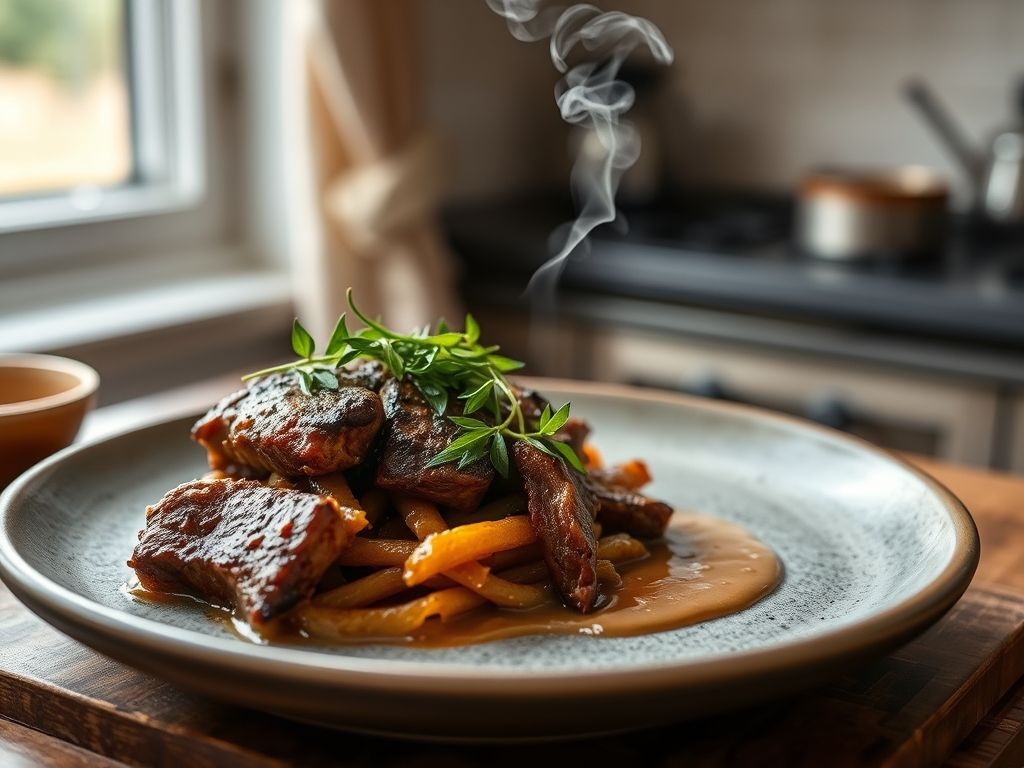
Imagine the sound of a heavy bottomed skillet meeting the flame; the immediate hiss as a marbled ribeye hits the stainless steel surface. The air fills with the scent of caramelizing proteins and toasted peppercorns, yet your stomach remains perfectly calm. Finding delicious low fodmap beef recipes is not just about restriction; it is about reclaiming the joy of a high protein feast without the subsequent inflammatory flare up. We are diving into the molecular magic of beef to ensure your gut feels as good as your palate.
The Gathers:
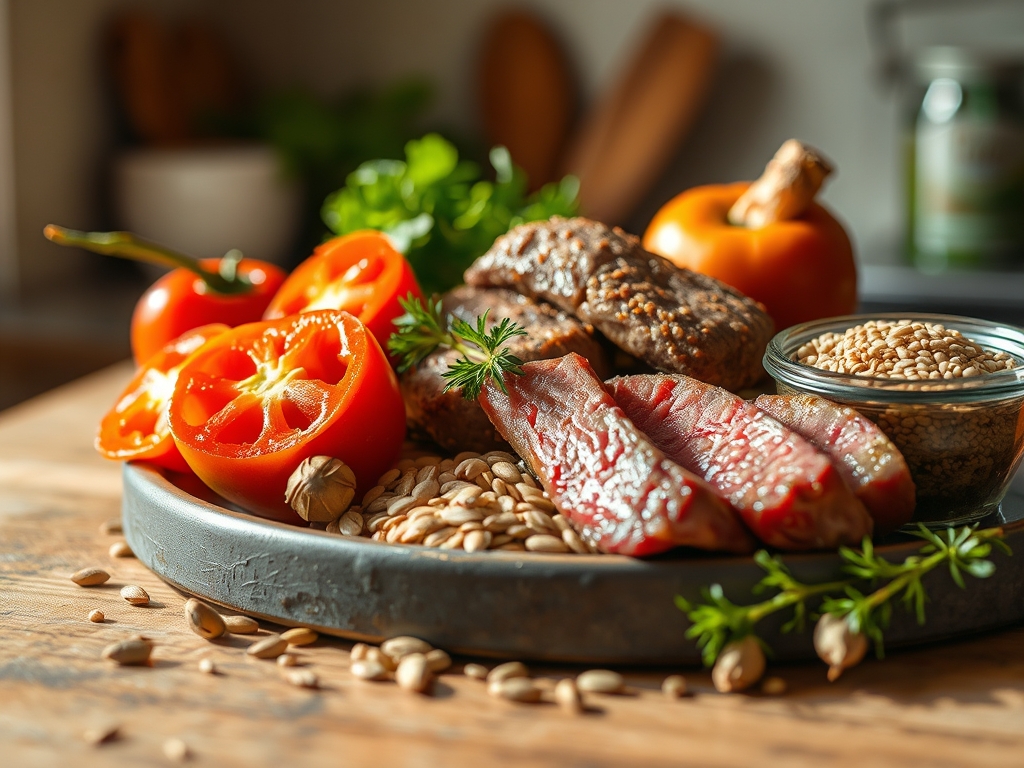
To master these low fodmap beef recipes, your mise en place must be precise. Start with high quality cuts like grass fed flank steak, lean ground chuck, or a well marbled brisket. Because we are bypassing the traditional aromatic duo of garlic and onion, we rely on lipid-soluble infusions. Use a microplane to zest fresh ginger and turmeric into cold pressed oils.
Your "Smart Substitutions" are the secret weapons here. Instead of onion, use the dark green tops of scallions or leeks; these contain the flavor compounds without the fructans that trigger distress. For that missing garlic punch, utilize garlic infused oil, where the flavor molecules have been extracted into the fat while the water soluble fodmaps remain behind. Keep a bottle of high quality fish sauce or coconut aminos nearby to provide the umami depth usually provided by concentrated beef bases. Finally, ensure you have a digital scale to measure your portions, as protein density affects both digestion and cooking times.
The Clock:
Efficiency in the kitchen is all about the Chef's Flow. For these seven meals, expect a preparation window of 15 to 20 minutes, with active cook times ranging from a 6 minute sear to a 4 hour slow braise. The key to the flow is "staggered prep." While your cast iron skillet preheats (which takes roughly 5 minutes to achieve an even thermal surface), you should be patting your beef dry with paper towels. Moisture is the enemy of the Maillard reaction. If the surface is damp, the meat will steam rather than sear. By the time the pan is screaming hot, your meat is dry and seasoned, allowing for a seamless transition from cutting board to flame.
The Masterclass:
1. The Perfect Sear
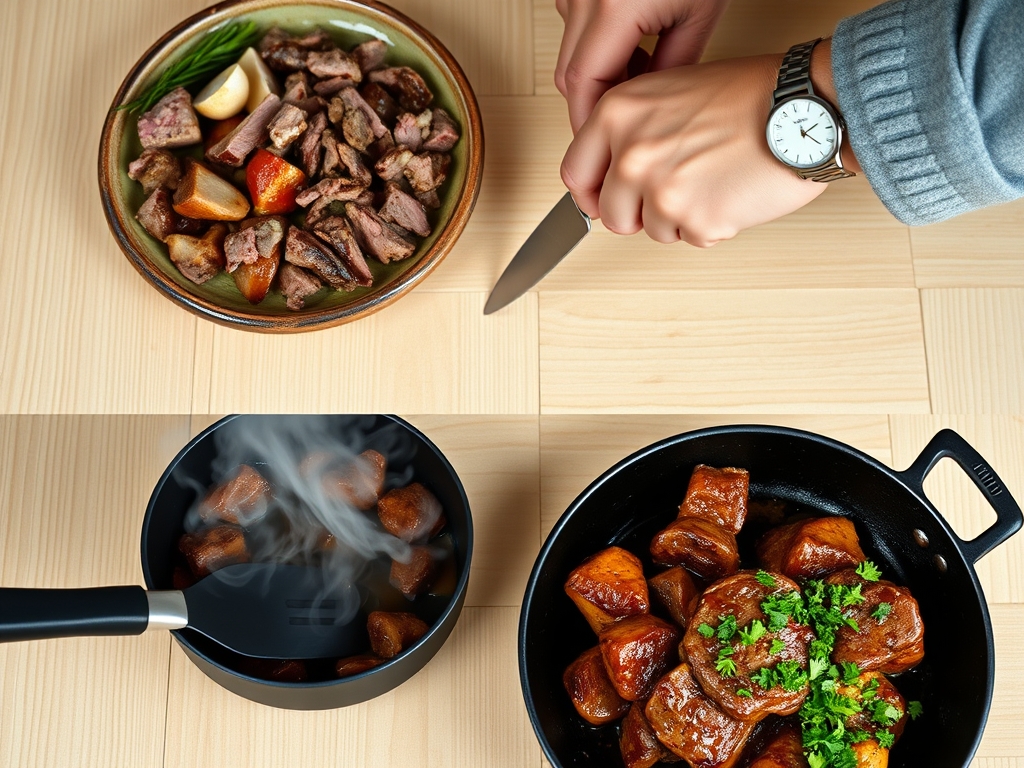
Place your steak into the shimmering oil using tongs to avoid piercing the muscle fibers. Leave it undisturbed for three minutes to allow the proteins to cross link and brown.
Pro Tip: This is known as the Maillard reaction, a chemical reaction between amino acids and reducing sugars that creates hundreds of different flavor compounds. Moving the meat too early prevents this crust from forming.
2. Deglazing the Fond
After removing the beef, you will notice brown bits stuck to the pan. Pour in a splash of beef bone broth (garlic free) or a dry red wine. Use a wooden spoon to scrape the bottom.
Pro Tip: This process is called deglazing. The liquid dissolves the "fond," which is a concentrated essence of the meat's flavor, creating a deeply savory base for a low fodmap pan sauce.
3. Emulsifying the Sauce
Lower the heat and whisk in a tablespoon of cold butter or a splash of lactose free cream into your deglazed liquid until it becomes viscous and glossy.
Pro Tip: Emulsification occurs when you suspend fat droplets within a water based liquid. Using cold fat and constant agitation prevents the sauce from "breaking" or separating into a greasy mess.
4. Precision Temperature Control
Insert a digital meat thermometer into the thickest part of the roast or steak. For a medium rare finish, pull the meat when it hits 130 degrees Fahrenheit.
Pro Tip: Account for thermal carryover. The internal temperature will continue to rise by 5 to 10 degrees after the meat is removed from the heat source as the exterior heat migrates toward the center.
5. The Rest Period
Transfer the beef to a warm plate and tent it loosely with foil. Let it sit for at least ten minutes before slicing against the grain.
Pro Tip: Resting allows the muscle fibers, which contracted during cooking, to relax and reabsorb the internal juices. If you cut too soon, the liquid will flood the board, leaving the meat dry.
6. Balancing Acidity
Just before serving, finish the dish with a squeeze of fresh lime or a teaspoon of apple cider vinegar.
Pro Tip: Acidity acts as a flavor brightener. It cuts through the heavy lipids of the beef, providing a piquant contrast that stimulates the salivary glands and aids in the perception of salt.
7. Texture Integration
Incorporate crunchy elements like toasted pine nuts or fresh herbs like cilantro and parsley to add layers of sensory input.
Pro Tip: Varying textures prevents "palate fatigue." The contrast between the tender, rendered fat of the beef and the crispness of the greens makes the meal more satiating.
The Deep Dive:
When analyzing the nutrition of low fodmap beef recipes, you are looking at a powerhouse of bioavailable iron, B12, and zinc. A standard 6 ounce serving provides roughly 45 grams of protein, making it ideal for muscle repair and satiety.
Dietary Swaps:
For a Keto version, serve your beef over riced cauliflower (if tolerated) or sautéed spinach. For a Vegan alternative that mimics the texture, use firm oyster mushrooms seared in the same "Masterclass" style. For Gluten Free needs, ensure your soy sauce is replaced with tamari.
The Fix-It:
- Tough Meat: If your braise is chewy, it hasn't cooked long enough to break down the collagen into gelatin. Give it another 30 minutes.
- Bland Sauce: If the sauce lacks "punch," you likely didn't reduce the liquid enough. Simmer it in a saucier until it coats the back of a spoon.
- Burnt Spices: If your ginger or herbs taste bitter, they scorched in the oil. Always add delicate aromatics toward the end of the searing process.
Meal Prep Science:
To maintain "day one" quality, reheat beef using a gentle "low and slow" method. Avoid the microwave, which vibrates water molecules and toughens the protein. Instead, use a covered skillet with a tablespoon of broth to create a steam chamber, gently rehydrating the fibers.
The Wrap-Up:
Mastering low fodmap beef recipes is a total game changer for your gut health journey. By focusing on high heat techniques, smart aromatic swaps, and the science of the Maillard reaction, you can enjoy rich, savory meals that nourish your body without the bloat. Grab your heavy bottomed skillet and start searing; your digestive system will thank you for the delicious, irritation free fuel!
The Kitchen Table:
Can I use any cut of beef for low fodmap recipes?
Yes, all plain beef cuts are naturally low fodmap. The key is avoiding high fodmap marinades containing garlic, onion, or honey. Focus on salt, pepper, and infused oils to keep the meat safe for your gut.
What is the best way to add flavor without onions?
Use the green parts of spring onions or leeks. You can also use garlic infused oil, as the fructans are not fat soluble. Fresh herbs like rosemary, thyme, and oregano also add incredible depth without digestive triggers.
Is beef broth safe on a low fodmap diet?
Most commercial broths contain onion and garlic. To stay safe, look for specifically labeled low fodmap stocks or make your own at home using beef bones, carrots, and the green tops of leeks for a rich, savory base.
How do I prevent steak from getting tough?
Always salt your meat at least 40 minutes before cooking to dry brine it. Use a meat thermometer to avoid overcooking, and always slice against the grain to break up tough muscle fibers, making every bite tender and easy to digest.