
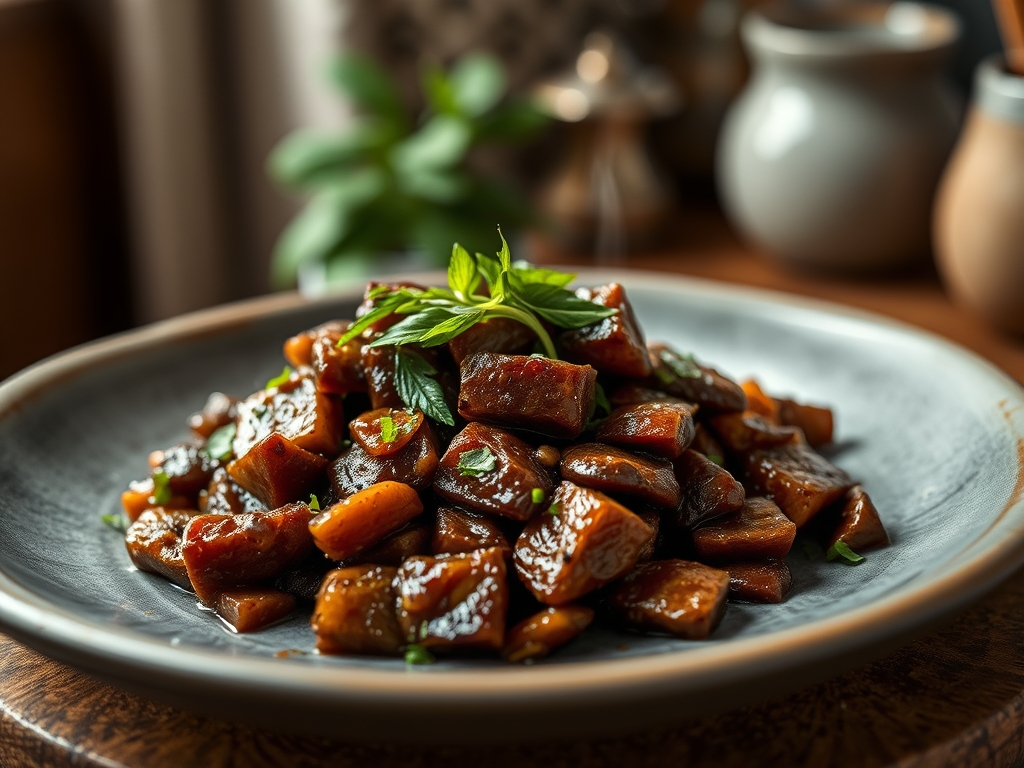
Close your eyes and imagine the scent of a heavy bottomed skillet hitting its smoke point. It is that intoxicating moment where the pungent, fermented funk of salted black beans meets the iron rich sear of a prime flank steak. Mastering black bean beef recipes is about more than just a quick stir fry; it is a masterclass in balancing umami, salt, and texture.
The secret lies in the humble douchi. These are not your standard canned legumes. They are soybeans that have been salt-cured and fermented until they develop a deep, chocolatey complexity. When they hit hot oil, they undergo a secondary transformation, releasing volatile aromatic compounds that cling to the muscle fibers of the beef. This is the ultimate comfort food for the culinary intellectual. It is savory, slightly piquant, and deeply satisfying. Whether you are craving a traditional Cantonese staple or a modern fusion twist, the synergy between bovine protein and fermented soy is a chemical match made in heaven. Let us get into the grit of how to execute this with precision.
The Gathers:
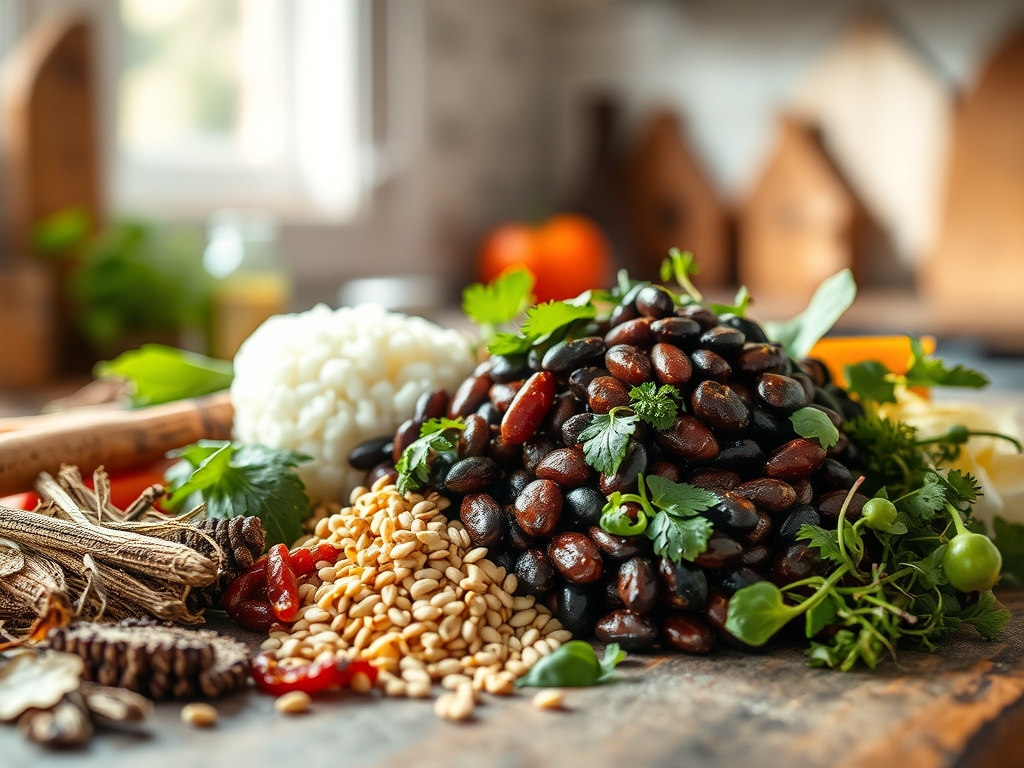
To achieve restaurant quality results, your mise-en-place must be flawless. We are looking for a specific textural contrast: tender, velveted beef against the snap of aromatics. Start with your protein. A digital scale is your best friend here to ensure even portioning. Use flank or skirt steak, sliced against the grain at a forty-five degree angle to shorten the muscle fibers.
Next, gather your fermented black beans. Look for the dry, salt-packed variety rather than the pre-made jarred paste. You will also need fresh ginger and garlic, ideally processed with a microplane to create a paste that emulsifies into the sauce. For the liquid gold, gather light soy sauce for salt, dark soy sauce for that obsidian pigment, and a splash of Shaoxing wine to deglaze.
Smart Substitutions: If you cannot find fermented black beans, a high quality miso paste mixed with a touch of balsamic vinegar can mimic that fermented depth. For the beef, if you are looking for a leaner profile, top round works well if you utilize a baking soda marinade to break down the connective tissue. If you are avoiding alcohol, a mixture of white grape juice and a teaspoon of rice vinegar provides the necessary acidity to cut through the fat.
The Clock
Efficiency in the kitchen is about the Chef's Flow. This is the rhythmic sequence of tasks that prevents bottlenecks. For these black bean beef recipes, your active prep time is approximately twenty minutes. This includes the "velveting" process where the beef marinates in cornstarch and oil.
The actual cook time is remarkably fast, usually under eight minutes. The goal is high heat and rapid movement. Spend ten minutes prepping your aromatics and five minutes whisking your sauce. Once the skillet is screaming hot, the execution is a sprint. Total time from counter to table is roughly thirty-five minutes, making this a high-density nutritional win for busy weeknights.
The Masterclass
1. The Velveting Technique
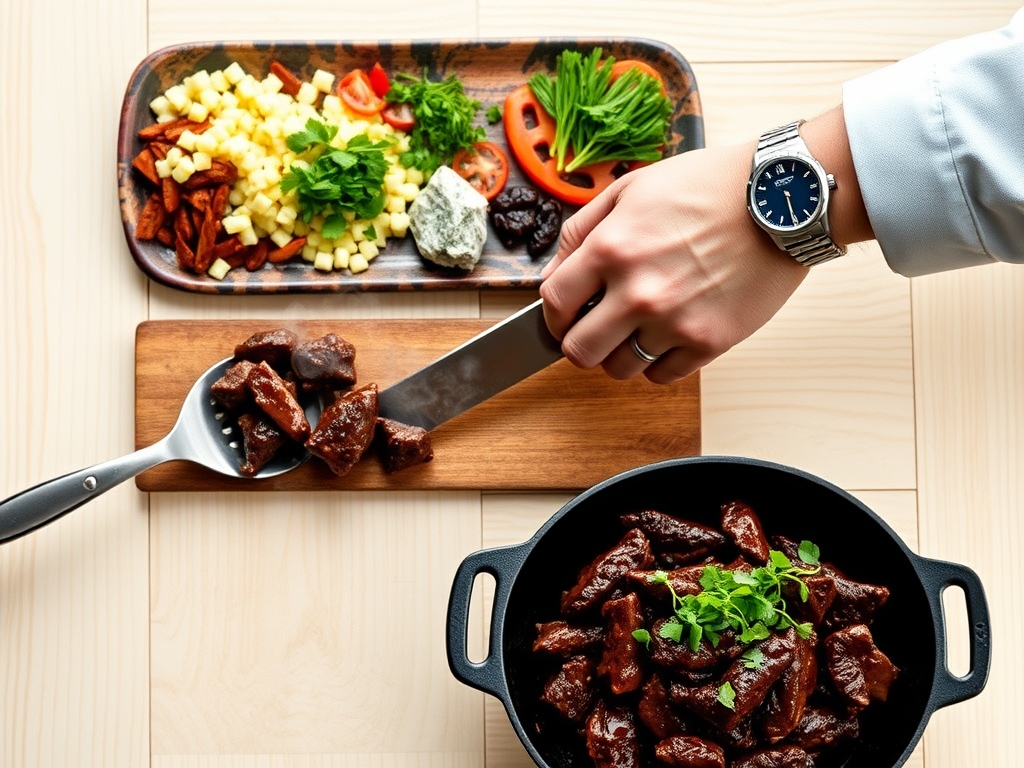
Place your sliced beef in a bowl with cornstarch, soy sauce, and a neutral oil. Massage the mixture until a thin, viscous coating forms. This creates a physical barrier that protects the protein from the harsh heat of the pan.
Pro Tip: This process utilizes alkaline tenderization. The cornstarch prevents the proteins from tightening too quickly, ensuring the beef remains succulent even at high temperatures.
2. Hydrating the Beans
Rinse your fermented black beans to remove excess surface salt, then lightly mash them with the back of a spoon or a bench scraper. This increases the surface area for the oil to extract those deep, earthy flavors.
Pro Tip: Mashing the beans triggers enzymatic release, allowing the concentrated umami compounds to permeate the entire dish rather than staying trapped inside the whole bean.
3. The Sear and Render
Heat a heavy-bottomed skillet or wok until a drop of water dances and evaporates instantly. Add oil and sear the beef in a single layer. Do not crowd the pan; work in batches if necessary.
Pro Tip: Achieving a hard sear triggers the Maillard reaction, a chemical reaction between amino acids and reducing sugars that gives browned food its distinctive, savory flavor profile.
4. Aromatics and Infusion
Remove the beef and add your ginger, garlic, and prepared black beans. Stir constantly for thirty seconds until the kitchen smells like a five-star bistro. Use your tongs to move the aromatics to the center of the heat.
Pro Tip: This is lipid-based infusion. The essential oils in the garlic and ginger are fat-soluble, meaning they need the hot oil to fully "bloom" and distribute their flavor.
5. The Deglaze and Emulsify
Return the beef to the pan and pour in your sauce mixture. Use a saucier or a wooden spoon to scrape up any browned bits from the bottom of the pan. The cornstarch from the beef will naturally thicken the liquid.
Pro Tip: This step utilizes thermal carryover. The residual heat from the beef and the pan will finish the cooking process while simultaneously creating a glossy, emulsified glaze.
The Deep Dive
From a nutritional standpoint, black bean beef recipes are a powerhouse. A standard serving provides roughly thirty grams of high-quality protein and a significant dose of iron and zinc. The fermented beans add a probiotic element, although the high heat does neutralize most live cultures; the prebiotic fiber remains intact.
Dietary Swaps:
- Keto: Replace the cornstarch with xanthan gum (use sparingly!) and swap the sugar in the sauce for a monk fruit sweetener.
- Vegan: Use extra-firm pressed tofu or seitan. Treat the tofu exactly like the beef, including the velveting step for a crisp exterior.
- Gluten-Free: Use tamari in place of soy sauce and ensure your fermented beans are processed in a GF facility.
The Fix-It:
- Too Salty: If you forgot to rinse the beans, add a splash of rice vinegar or a squeeze of lime. The acidity balances the sodium perception.
- Tough Beef: This usually means the pan was not hot enough. If the beef is already cooked, slice it thinner before serving to mechanically break the fibers.
- Watery Sauce: Your pan cooled down too much. Whisk a teaspoon of cornstarch with cold water (a slurry) and pour it into the boiling sauce to instantly re-thicken.
Meal Prep: To maintain "day-one" quality, store the beef and sauce separately from your rice or grains. When reheating, add a tablespoon of water and cover the dish. This creates steam, which re-hydrates the protein and prevents the sauce from becoming "broken" or oily.
The Wrap-Up
There you have it! You are now equipped to tackle the bold, complex world of black bean beef recipes with the confidence of a seasoned pro. Remember, the magic is in the prep and the heat. Do not be afraid of a little smoke in the kitchen; that is just the sound of flavor happening. Grab your skillet, find those fermented beans, and go create something legendary. Your taste buds (and your friends) will thank you.
The Kitchen Table
Can I use canned black beans for this recipe?
No, canned black beans are different species. Black bean beef recipes require fermented douchi (salted black soybeans). Canned beans lack the necessary salt, funk, and umami profile required to create the signature savory sauce.
How do I make the beef extra tender?
Use the velveting technique. Coat sliced beef in cornstarch, oil, and a splash of soy sauce for 20 minutes. This creates a protective layer that locks in moisture and prevents the protein from toughening during high-heat searing.
Why is my sauce clumpy instead of glossy?
Clumping happens if you add cornstarch directly to a hot pan. Always mix cornstarch with a cold liquid first to create a slurry. Pour the slurry into the simmering sauce while stirring constantly to ensure a smooth, viscous finish.
What is the best cut of beef to use?
Flank steak or skirt steak is ideal. These cuts have long muscle fibers that soak up marinades beautifully. Always slice against the grain to ensure every bite is tender and easy to chew after a quick sear.