
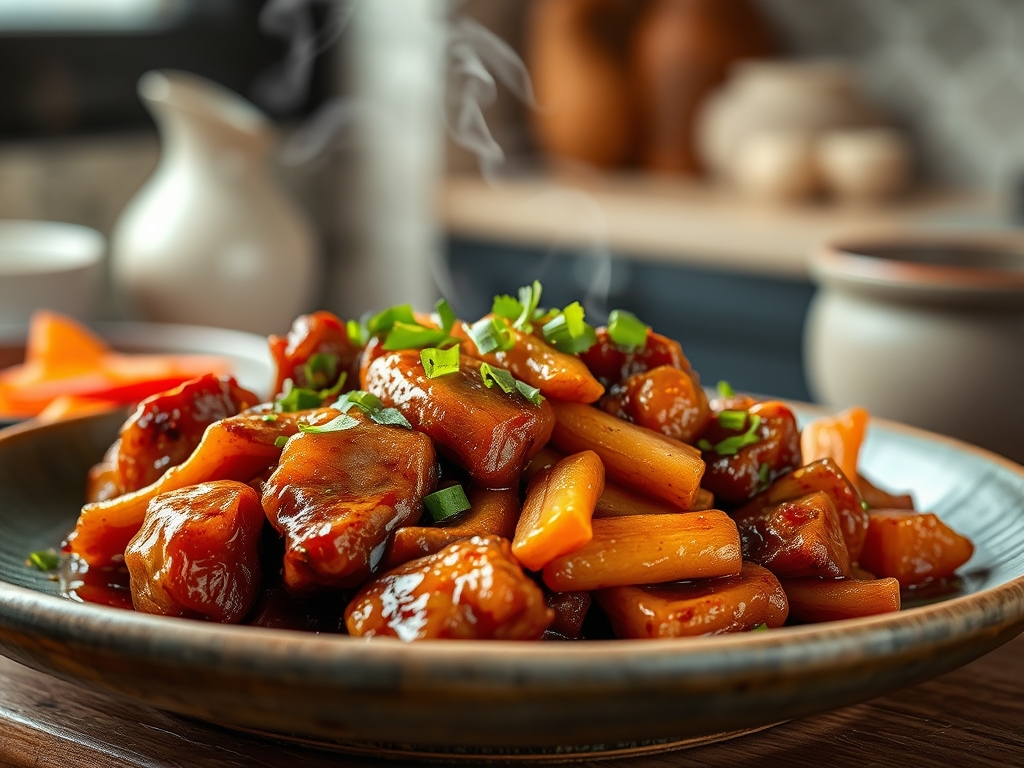
Picture a heavy-bottomed skillet shimmering with heat. The air is thick with the scent of ginger and toasted sesame; a sharp, vinegary tang hits the back of your throat just before the sugary warmth of pineapple juice rounds it out. This is the magic of the best sweet and sour beef recipes. It is a balancing act of piquant acidity and rich, fatty umami. When you get it right, the sauce clings to the protein like a glossy silk ribbon. When you get it wrong, it is a cloying, gummy mess. We are here to ensure you land firmly in the "culinary genius" category by mastering the molecular interplay of sugar, acid, and heat.
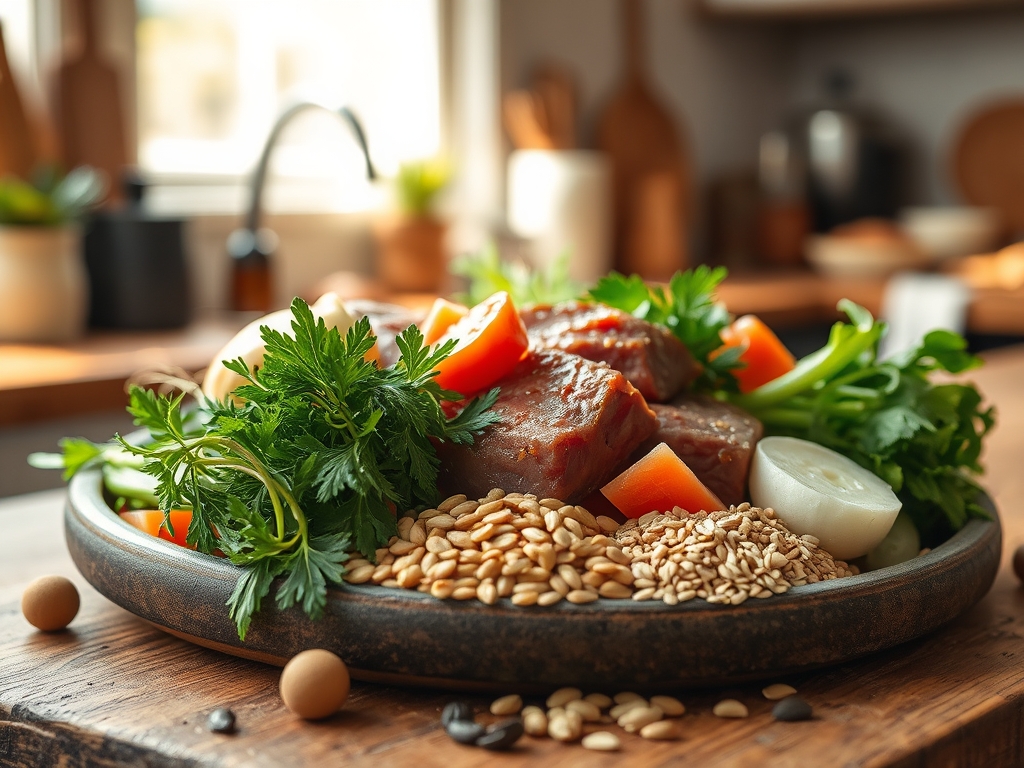
The Gathers:
To achieve a restaurant-quality finish, your mise-en-place must be precise. Start with a high-quality flank steak or sirloin. These cuts possess long muscle fibers that, when sliced against the grain, provide the perfect surface area for the sauce to infuse. You will need a digital scale to measure out 500 grams of beef to ensure the ratio of starch to protein is exact. For the sauce, gather rice vinegar for its mellow acidity, dark soy sauce for color, and honey or brown sugar for the base of your gastrique.
Your aromatic kit should include fresh ginger and garlic. Use a microplane to grate these into a fine paste; this increases the surface area and allows the aromatics to render their oils into the fat almost instantly. For the crunch, grab bell peppers and white onions. Smart Substitutions: If you are avoiding refined sugar, use coconut aminos and a splash of orange juice. If you lack rice vinegar, apple cider vinegar works, though it adds a fruitier note that requires a pinch more salt to balance.
The Clock:
Precision timing is the difference between tender beef and shoe leather. The "Chef's Flow" dictates that all chopping must be completed before the heat is even turned on.
- Prep Time: 20 minutes (includes slicing, marinating, and whisking the sauce).
- Cook Time: 8 to 10 minutes.
The goal is high-heat, rapid-fire execution. You are not stewing this meat; you are searing it to trigger the Maillard reaction while keeping the interior succulent. Total time from counter to table is roughly 30 minutes.
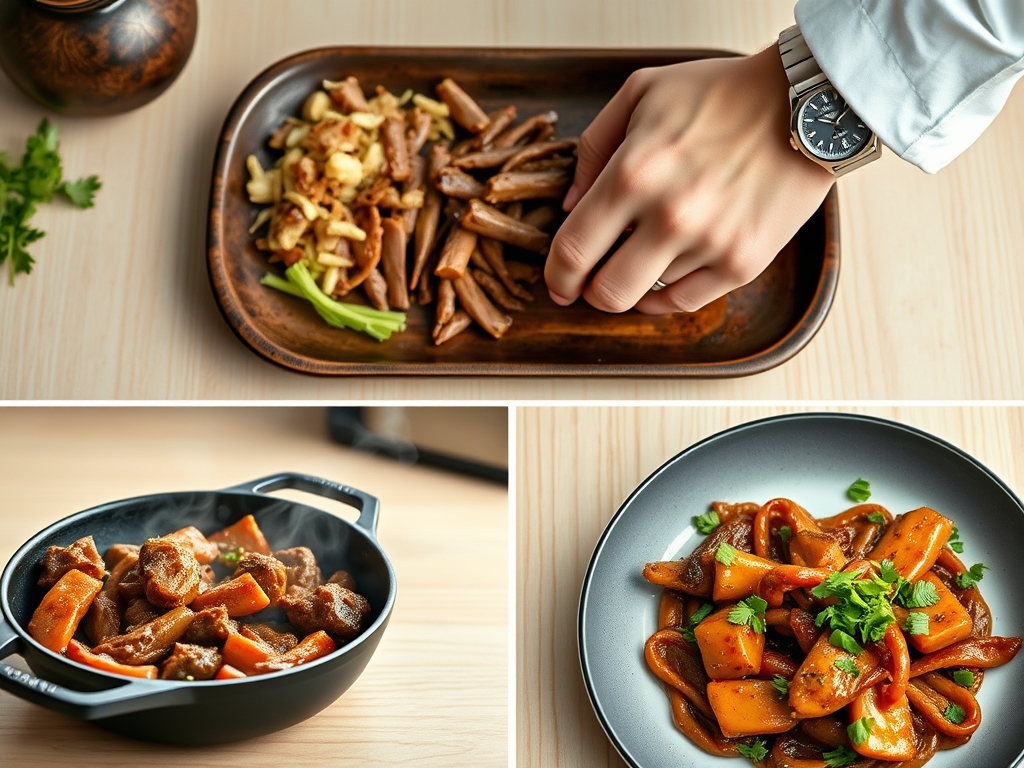
The Masterclass:
1. The Velvet Marination
Place your sliced beef in a bowl with a tablespoon of soy sauce, a splash of rice wine, and a teaspoon of baking soda. This process, known as velveting, breaks down the tough muscle fibers.
Pro Tip: The baking soda raises the pH levels on the meat's surface, making it difficult for the proteins to bond tightly when heated. This ensures the beef remains tender even under intense heat.
2. The Starch Coating
Dust the marinated beef with cornstarch or arrowroot powder. Use your hands to ensure every piece is individual and dry to the touch.
Pro Tip: Starch acts as a moisture barrier. When it hits the hot oil, it creates a crisp exoskeleton that protects the meat from drying out while providing a porous surface for the sauce to grip later.
3. The High-Heat Sear
Heat two tablespoons of neutral oil in a heavy-bottomed skillet until it reaches the smoke point. Add the beef in a single layer. Do not crowd the pan.
Pro Tip: Crowding the pan lowers the temperature, causing the meat to steam in its own juices rather than sear. This prevents enzymatic browning and results in a grey, rubbery texture.
4. Aromatic Infusion
Remove the beef and set it aside on a plate. In the same pan, toss in your ginger and garlic paste. Stir for exactly 30 seconds until fragrant.
Pro Tip: This is called blooming the spices. The fat-soluble flavor compounds in the aromatics are released into the oil, creating a flavor base that will permeate the entire dish.
5. The Vegetable Flash-Fry
Add your peppers and onions. Use tongs to keep them moving. You want them charred on the edges but still structurally sound.
Pro Tip: Keeping the vegetables "al dente" preserves their cellular structure. If they overcook, they release water, which will thin out your viscous sauce and make the dish soggy.
6. The Deglaze and Emulsify
Pour in your pre-mixed sweet and sour liquid. Use a saucier or a whisk to scrape up the brown bits (the fond) from the bottom of the pan.
Pro Tip: This is deglazing. Those caramelized bits are concentrated umami. As the sauce boils, the starch from the beef will help emulsify the fats and liquids into a cohesive, glossy coating.
7. The Final Toss
Return the beef to the pan. Toss rapidly for 60 seconds to coat every crevice.
Pro Tip: This final step utilizes thermal carryover. The beef will finish cooking in the residual heat of the sauce, ensuring the center stays a perfect medium-rare while the exterior becomes tacky and sweet.
The Deep Dive:
Macro Nutrition
A standard serving of sweet and sour beef provides approximately 350 calories, 25g of protein, 15g of fat, and 30g of carbohydrates. To lower the glycemic load, swap the sugar for stevia and increase the ratio of fibrous bell peppers.
Dietary Swaps
- Vegan: Replace beef with pressed extra-firm tofu or seitan. Use a bench scraper to cut the tofu into uniform cubes for even searing.
- Keto: Use xanthan gum instead of cornstarch and erythritol instead of sugar.
- Gluten-Free: Ensure you use tamari instead of standard soy sauce.
The Fix-It
- The Sauce is Too Thin: Slurry a teaspoon of cornstarch with cold water and whisk it in. Never add dry starch directly to a hot pan or it will clump.
- The Beef is Tough: You likely skipped the velveting step or sliced with the grain. Next time, use a digital thermometer to ensure you aren't exceeding an internal temp of 145 degrees Fahrenheit.
- Too Sweet: Add a teaspoon of rice vinegar or a squeeze of lime to provide a sharp piquant contrast that cuts through the glucose.
Meal Prep and Reheating
To maintain "day-one" quality, store the sauce and beef separately if possible. If already mixed, reheat in a skillet over medium heat with a tablespoon of water. Avoid the microwave; it causes the starch molecules to retrograde, making the coating feel gritty and the meat rubbery.
The Wrap-Up:
Mastering sweet and sour beef recipes is about more than just tossing meat in a pan; it is a lesson in chemistry and heat management. By focusing on the velveting process and the perfect sear, you transform humble ingredients into a vibrant, high-end meal. Grab your heavy-bottomed skillet and get to work. Your kitchen is about to smell like a five-star bistro!
The Kitchen Table:
Why is my sweet and sour sauce cloudy?
Cloudiness usually results from using flour instead of cornstarch or arrowroot. Cornstarch creates a clear, translucent glaze because its granules swell and become transparent when heated in liquid, whereas flour contains proteins that remain opaque.
Can I make this recipe with chicken instead?
Absolutely. Chicken thighs are the best substitute as they have a higher fat content and remain juicy during high-heat frying. Follow the same velveting process to ensure the poultry stays tender and absorbs the sauce efficiently.
How do I get the beef really crispy?
The secret is a double-fry or a very high-heat sear in a cast-iron pan. Ensure the beef is patted dry before coating in starch. Any excess moisture will create steam, which prevents the starch from crisping.
What is the best way to slice beef for stir-fry?
Always slice against the grain. Look for the parallel lines of muscle fiber and cut perpendicular to them. This shortens the fibers, making the meat much easier to chew and allowing the marinade to penetrate deeper.