
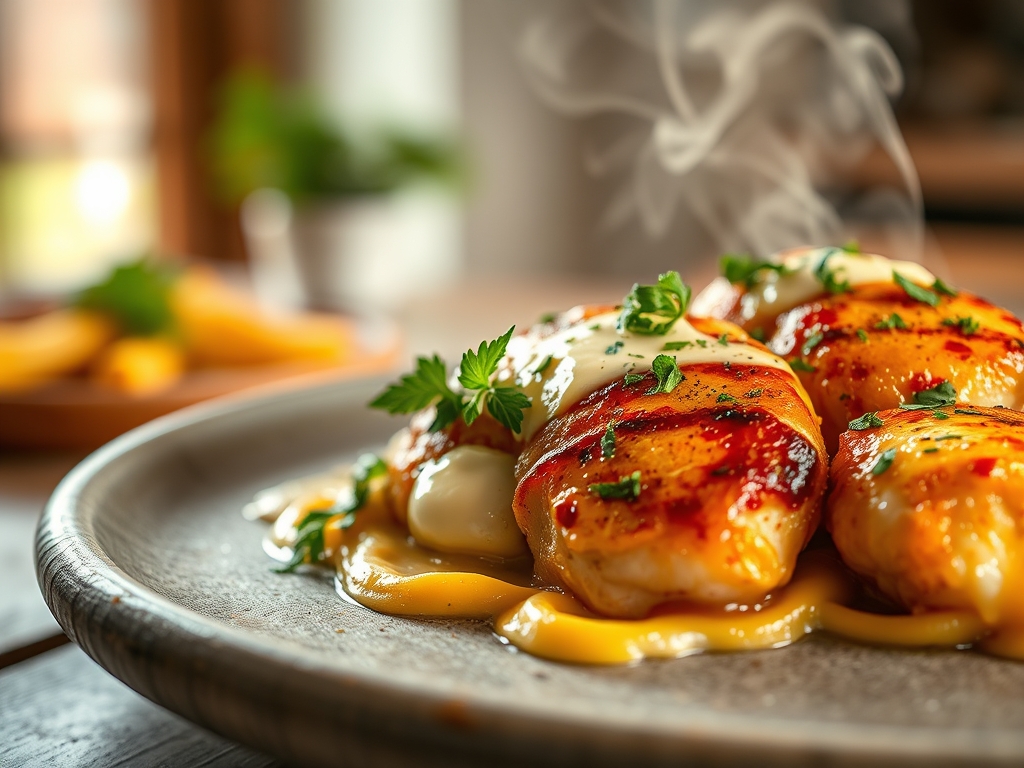
Picture a kitchen filled with the scent of garlic and toasted parmesan. You pull a golden tray from the oven; the poultry is glistening and impossibly juicy. This is the magic of hellmann's mayo chicken recipes. It is the ultimate weeknight hack that relies on molecular chemistry to transform a standard bird into a gourmet masterpiece.
The secret lies in the emulsion. Mayonnaise is a stable mixture of oil, egg yolks, and acid. When applied to protein, it creates a protective barrier that locks in moisture while providing the perfect fat-to-protein ratio for browning. We are not just making dinner; we are engineering a texture that defies the drying heat of a convection oven. Whether you are a seasoned home cook or a beginner, mastering this technique ensures you never serve a dry breast again.
Forget the rubbery textures of the past. We are leaning into the science of the Maillard reaction to achieve a crust that is both crispy and savory. By using a high-quality emulsion as our base, we bypass the need for messy egg washes and flour dredges. It is efficient, it is elegant, and it is scientifically superior to almost any other roasting method. Let us dive into the mise-en-place and get your workstation ready for a culinary upgrade.
The Gathers:
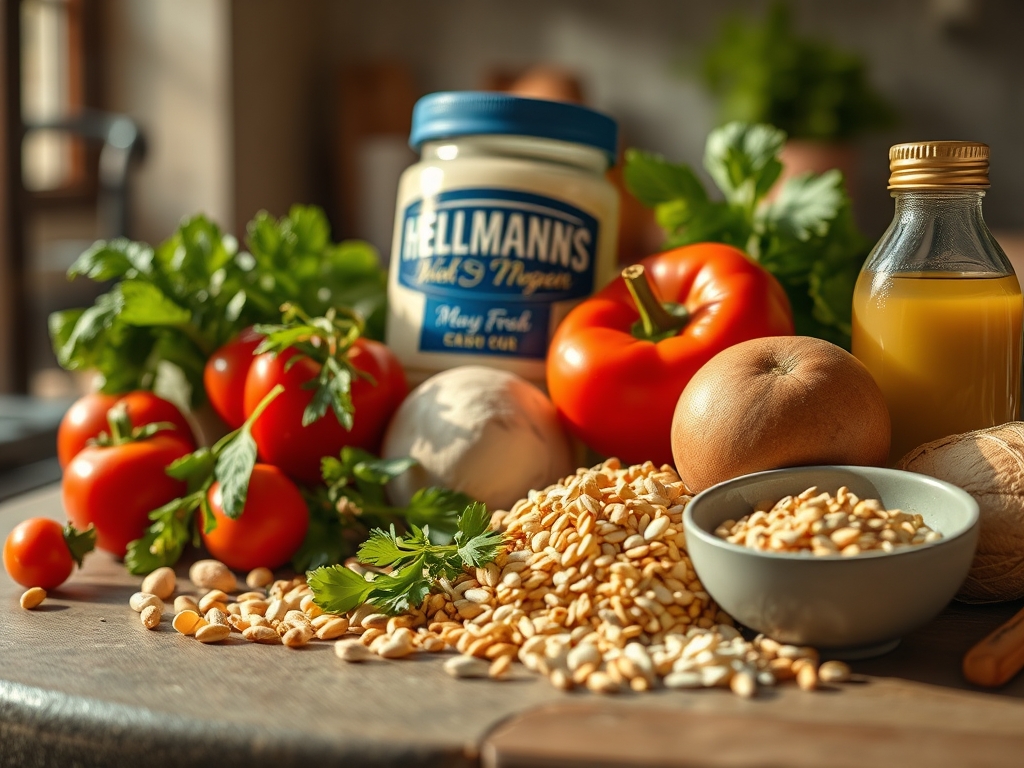
To execute these hellmann's mayo chicken recipes with precision, your mise-en-place must be impeccable. Start with high-quality, air-dried chicken breasts or thighs. Moisture is the enemy of a good sear, so pat your protein dry with lint-free towels before you begin. You will need a viscous base of Hellmann's Real Mayonnaise to act as your primary fat source and binder.
For the aromatics, reach for your microplane to grate fresh garlic and lemon zest directly into the bowl. This ensures the essential oils are released and evenly distributed throughout the emulsion. You will also need a sharp, piquant mustard like Dijon to add acidity and depth. For the crunch, panko breadcrumbs are preferred over traditional crumbs because their larger surface area allows for better aeration and a more dramatic crunch.
Smart Substitutions: If you are looking to pivot, swap the panko for crushed pork rinds to keep it strictly Keto. If you lack fresh garlic, a high-quality granulated garlic powder works, but avoid garlic salt as it disrupts the osmotic balance of the meat. For a vegan twist, use a plant-based mayo substitute and firm tofu slabs or cauliflower steaks. Always use a digital scale to measure your dry ingredients if you want consistent, repeatable results every single time.
The Clock
Efficiency in the kitchen is about "Chef's Flow." This means grouping tasks to minimize downtime. For these hellmann's mayo chicken recipes, expect a total commitment of 35 minutes. Your active prep time is a brisk 10 minutes, while the oven does the heavy lifting for the remaining 25 minutes.
The flow begins with preheating your oven to 425 degrees Fahrenheit. While the air inside the chamber saturates with heat, you assemble your coating. By the time your oven chime sounds, your chicken should be coated and resting on a wire rack. This rest period allows the salt in the mayo to begin denaturing the surface proteins, which leads to better adhesion during the thermal transition.
The Masterclass
1. Create the Emulsion Base
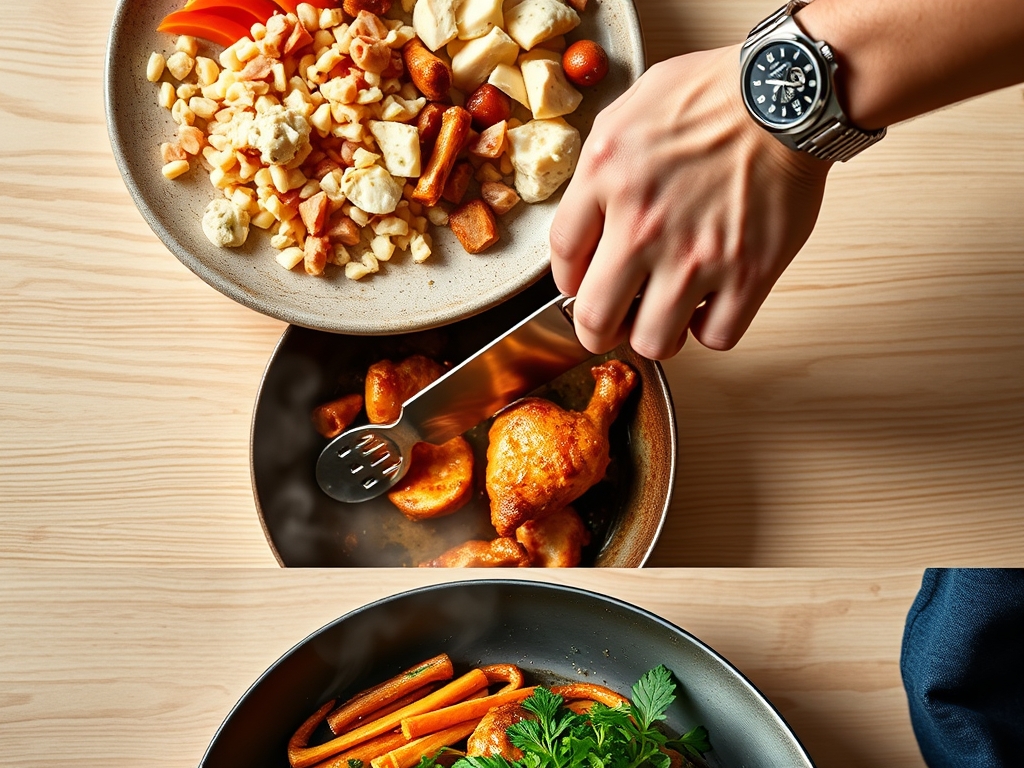
In a small stainless steel mixing bowl, combine the mayo, parmesan, and spices. Use a small whisk to aerate the mixture until it is light and uniform. This ensures that every bite has a consistent flavor profile without clumps of seasoning.
Pro Tip: This step utilizes the emulsifiers in the egg yolk to hold the fats and water-based seasonings together. This prevents the oil from separating and running off the chicken as it heats up in the oven.
2. Prepare the Protein
Place your chicken on a clean cutting board. If the breasts are uneven in thickness, use a meat mallet to gently level them. This ensures even heat distribution so the thin end does not overcook while the thick end remains raw.
Pro Tip: Leveling the meat prevents thermal gradients, where different parts of the muscle reach their target temperature at different times. Uniform thickness equals uniform juiciness.
3. The Enrobing Technique
Using a silicone spatula or a saucier spoon, coat the top and sides of each piece of chicken with a thick layer of the mayo mixture. Do not be shy; the layer should be about an eighth of an inch thick to provide adequate insulation.
Pro Tip: The fat in the mayo acts as a thermal insulator. It slows down the heat transfer to the delicate interior fibers, preventing the proteins from tightening and squeezing out their juices.
4. The Crumb Application
Press your breadcrumbs or crushed nuts firmly into the mayo coating. The "wet" nature of the emulsion acts as a high-strength glue. Use your fingers to ensure the entire surface is covered, leaving no bare spots where moisture could escape.
Pro Tip: This creates a pressurized environment. As the water in the chicken turns to steam, the crust traps it, essentially "poaching" the chicken in its own juices while the exterior fries in the mayo's oil.
5. The High-Heat Roast
Slide your baking sheet into the center rack of the oven. The high temperature is necessary to trigger the Maillard reaction, which is the chemical reaction between amino acids and reducing sugars that gives browned food its distinctive flavor.
Pro Tip: Avoid opening the oven door. Every time you peek, the ambient temperature drops significantly, which can lead to a soggy crust instead of a crisp one. Trust the timer.
6. The Rest and Carryover
Once the internal temperature hits 160 degrees Fahrenheit on your digital thermometer, remove the tray. Transfer the chicken to a warm plate and let it sit for at least five minutes before slicing.
Pro Tip: This allows for thermal carryover. The residual heat will bring the internal temp to the safe 165-degree mark while allowing the muscle fibers to relax and reabsorb the juices.
The Deep Dive
From a nutritional standpoint, these hellmann's mayo chicken recipes are surprisingly balanced. A standard serving provides high-quality protein and healthy fats, especially if you opt for a mayo made with olive or avocado oil. For those on a Keto diet, this is a holy grail recipe because it replaces high-carb breading with a fat-rich coating. If you are Gluten-Free, simply swap the panko for almond flour or GF-certified crumbs.
The Fix-It:
- Soggy Bottoms: If the underside is wet, use a wire cooling rack set inside your baking sheet. This allows hot air to circulate under the meat, crisping the base.
- Burned Topping: If the crumbs brown too fast, tent the tray loosely with foil. This reflects radiant heat while allowing the interior to continue cooking.
- Bland Flavor: You likely forgot the acid. Add a squeeze of fresh lemon juice or a teaspoon of white wine vinegar to the mayo mix to brighten the heavy fats.
For meal prep, this chicken is a dream. To maintain "day-one" quality, reheat in an air fryer at 350 degrees for 4 minutes. This reactivates the fats in the coating, returning the crunch that a microwave would otherwise destroy.
The Wrap-Up
Mastering hellmann's mayo chicken recipes is like having a culinary superpower in your back pocket. It is the intersection of high-end science and comfort food simplicity. By understanding how emulsions protect protein and how the Maillard reaction builds flavor, you have leveled up your kitchen game. Now, grab your tongs, fire up that oven, and prepare to be the hero of the dinner table. You have got the tools, the tech, and the taste!
The Kitchen Table
Can I use light mayonnaise for this recipe?
Yes, but the lower fat content may result in a slightly less crispy crust. The emulsion is less stable under high heat, so expect a bit more runoff during the baking process compared to the full-fat version.
How do I know when the chicken is perfectly done?
Always use a digital meat thermometer. Pull the chicken when it reaches 160 degrees Fahrenheit. The temperature will rise to the required 165 degrees during the five-minute resting period due to the science of carryover cooking.
Can I make this with frozen chicken?
It is not recommended. Frozen chicken releases excess moisture as it thaws in the oven, which will turn your creamy mayo coating into a watery mess. Always thaw completely and pat dry with towels for the best results.
What is the best way to store leftovers?
Store in an airtight glass container for up to three days. To keep the crust from getting mushy, place a paper towel in the container to absorb excess humidity. Reheat in an oven or air fryer to restore the texture.