
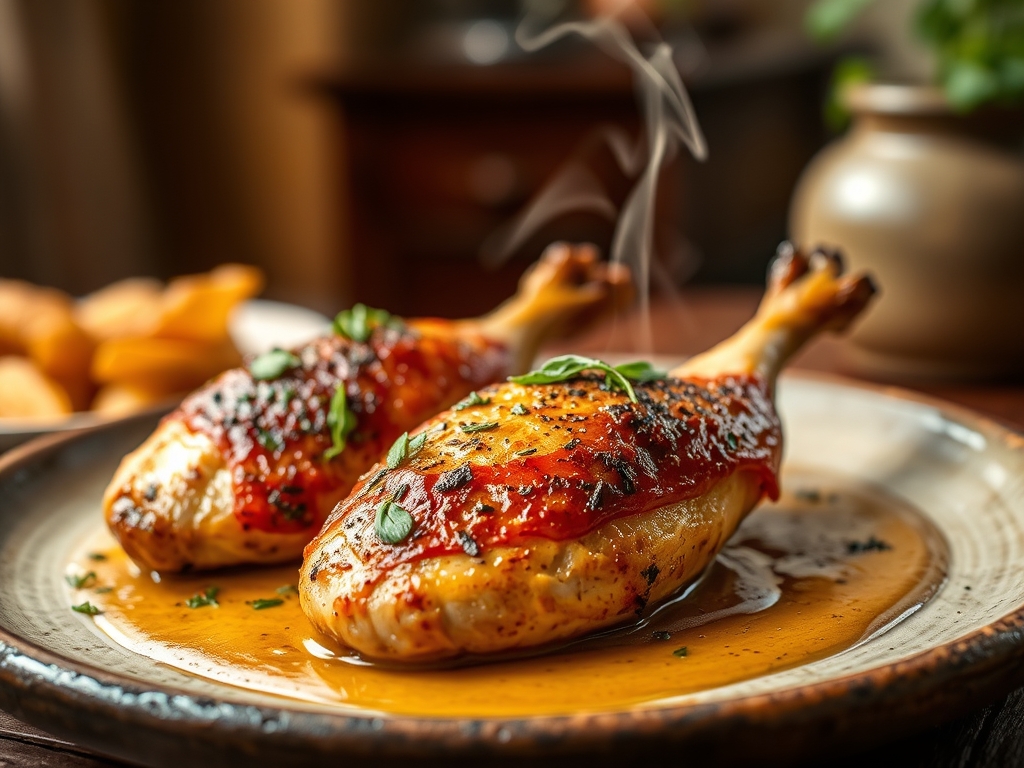
Picture the scent of roasted garlic and dried oregano swirling through your kitchen as the oven door creaks open. There is a specific magic in the way golden skin crackles under the heat; it is the ultimate comfort. Mastering italian baked chicken recipes is less about following a rigid script and more about understanding the alchemy of fat, acid, and heat. When you pull that tray out, the juices should be shimmering, and the aroma should be enough to stop a conversation mid-sentence. We are not just making dinner; we are engineering a sensory experience that feels like a hug from a nonna who also happens to have a degree in molecular gastronomy.
The secret to the perfect bird lies in the tension between a crisp exterior and a succulent interior. Most people settle for "fine," but we are aiming for "unforgettable." By leveraging high-quality fats and piquant aromatics, we can transform a humble protein into a masterpiece. Whether you are prepping for a frantic Tuesday or a slow Sunday, these italian baked chicken recipes provide the backbone for a repertoire that never fails. Grab your favorite apron and a glass of something crisp; it is time to get technical with our flavors.
The Gathers:
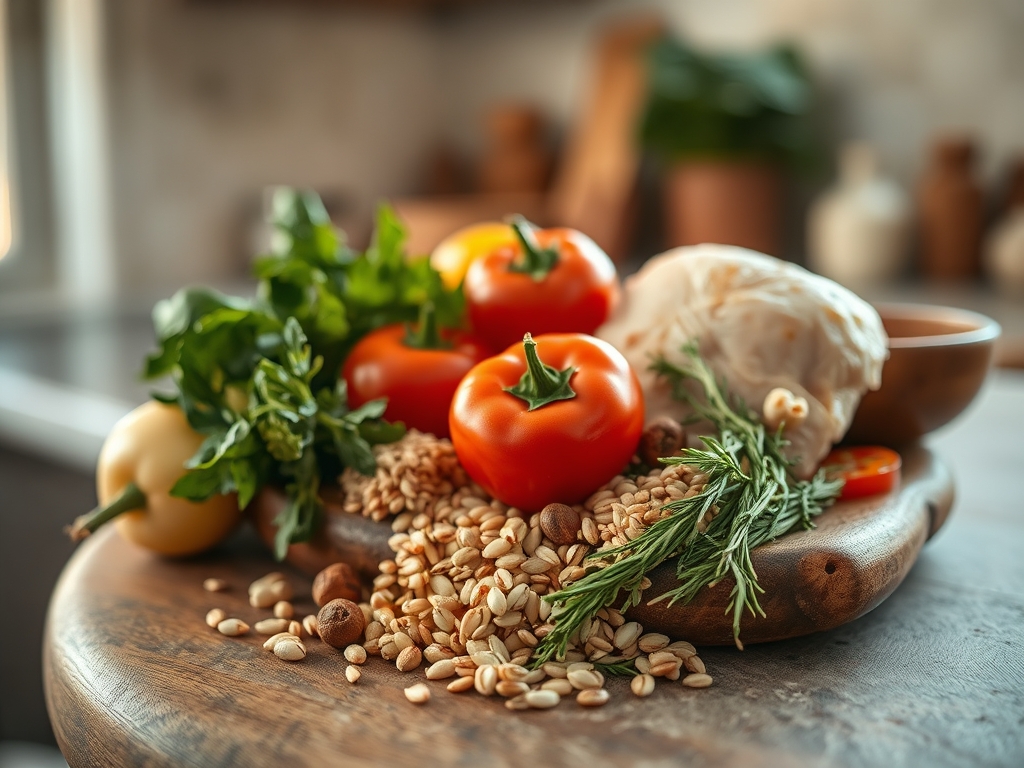
To achieve professional results, your mise-en-place must be precise. Start with high-quality poultry; look for air-chilled breasts or thighs, as they contain less water and allow for better searing. You will need a viscous extra virgin olive oil to act as your primary lipid. For the aromatics, gather fresh rosemary, thyme, and flat-leaf parsley. Use a microplane to zest a lemon and grate fresh Parmigiano-Reggiano. The fine teeth of the microplane maximize surface area, releasing essential oils and creating a snow-like texture that melts instantly.
Smart Substitutions:
If you lack fresh herbs, use one-third the amount of dried herbs, as their flavor is more concentrated. If you are out of wine for deglazing, a splash of verjus or a high-quality white balsamic vinegar provides the necessary acidity without the alcohol. For those avoiding dairy, nutritional yeast offers a similar nutty profile to parmesan while maintaining a vegan-friendly status. Always use a digital scale to measure your dry spices; consistency is the hallmark of a great cook.
The Clock: Timing and Flow
Precision timing is what separates a dry breast from a succulent one. The "Chef's Flow" begins with a 15-minute prep period where you aerate your herbs and bring your meat to room temperature. Cooking typically takes 25 to 35 minutes at 400 degrees Fahrenheit, depending on the cut. However, the most critical part of the clock is the 10-minute rest period.
During this rest, the muscle fibers relax and reabsorb the internal juices. If you cut too soon, the moisture escapes onto the board, leaving the meat parched. Plan your sides to finish exactly when the chicken enters its resting phase. This synchronization ensures every element of the meal hits the table at the peak of its textural integrity.
The Masterclass:
1. Temper and Pat Dry
Remove the chicken from the refrigerator 20 minutes before cooking. Use a paper towel to remove every trace of surface moisture. This is the most important step for skin texture.
Pro Tip: This facilitates the Maillard reaction. Water is the enemy of browning; by removing surface moisture, the heat can immediately begin carmelizing proteins rather than wasting energy evaporating steam.
2. The Emulsified Rub
In a small saucier, whisk together olive oil, minced garlic, lemon zest, and herbs until the mixture is slightly thickened. Coat the chicken thoroughly, ensuring the oil reaches every crevice.
Pro Tip: Fat is a flavor carrier. By creating an emulsion, you ensure the fat-soluble compounds in the herbs are evenly distributed and "stick" to the protein during the initial heat blast.
3. High-Heat Searing
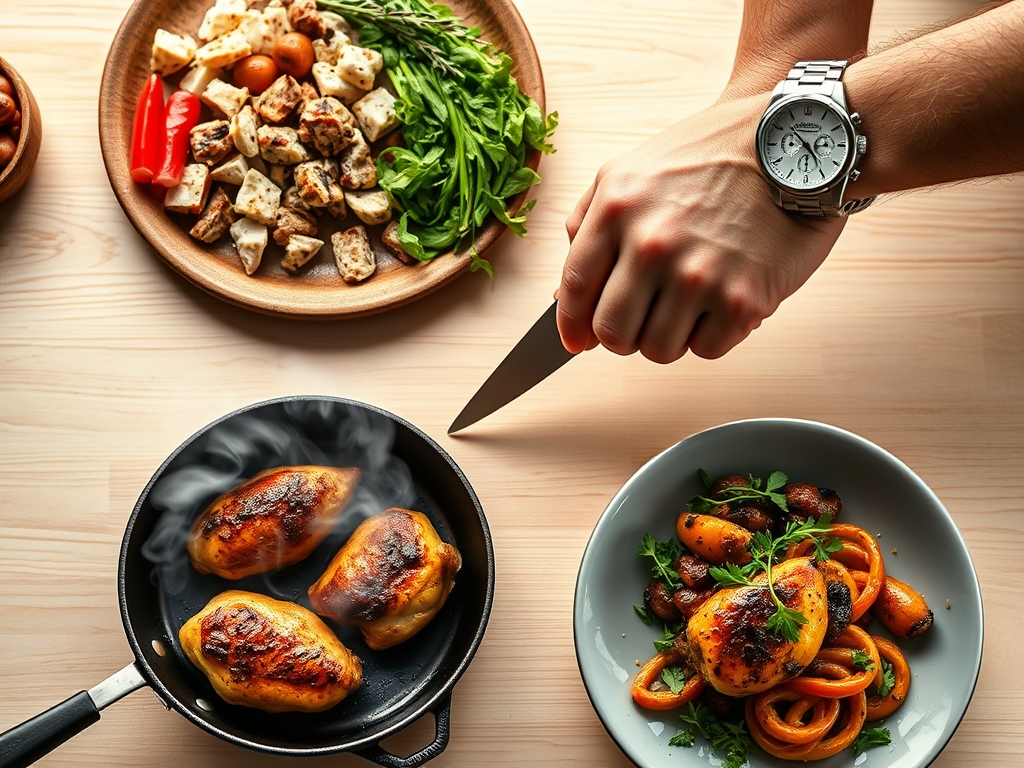
Place the chicken in a heavy-bottomed skillet or a preheated baking dish. You should hear a violent sizzle the moment the meat touches the surface.
Pro Tip: This initial contact triggers enzymatic browning. The high heat creates a complex profile of flavors that cannot be achieved through gentle baking alone.
4. Monitor Internal Temperature
Insert a digital thermometer into the thickest part of the meat. Aim for 160 degrees Fahrenheit for breasts and 170 degrees for thighs.
Pro Tip: Account for thermal carryover. The internal temperature will rise by 5 to 7 degrees after you remove the chicken from the oven. Pulling it early prevents overcooking.
5. Deglaze the Pan
While the chicken rests, use a splash of chicken stock or white wine to scrape up the browned bits (fond) from the bottom of the pan using a bench scraper or wooden spoon.
Pro Tip: This process captures the concentrated proteins and sugars left behind. This "liquid gold" becomes the base for a piquant pan sauce that ties the whole dish together.
The Deep Dive:
From a macro perspective, these italian baked chicken recipes are a powerhouse. A standard 6-ounce serving provides roughly 45 grams of protein with minimal carbohydrates, depending on your breading choices. For Keto followers, double down on the fats by adding a knob of cold butter to your pan sauce. For a Gluten-Free version, swap traditional breadcrumbs for crushed pork rinds or almond flour to maintain that essential crunch.
The Fix-It:
- Rubbery Skin: Your oven temperature was too low. Crank it to 425 degrees for the last five minutes to render the subcutaneous fat.
- Bland Meat: You didn't salt early enough. Salt your chicken at least 30 minutes prior to cooking to allow it to penetrate the muscle fibers via osmosis.
- Burnt Garlic: If your garlic turns bitter, you chopped it too fine or added it too early. Use smashed cloves for a more subtle, toasted infusion.
Meal Prep Science:
When reheating, avoid the microwave, which vibrates water molecules and toughens the protein. Instead, use a low-heat oven (300 degrees) with a tablespoon of water or stock in the dish, covered tightly with foil. This creates a mini-steam chamber that restores the "day-one" suppleness without drying out the edges.
The Wrap-Up:
You are now armed with the technical prowess to turn a simple bird into a culinary event. Italian cooking is all about the marriage of high-quality ingredients and smart technique. By respecting the science of the sear and the necessity of the rest, you ensure every bite is a testament to your skill. Go ahead, invite the neighbors over, and show off that perfect crust. You have earned the right to be the most confident cook in the room!
The Kitchen Table:
How do I keep chicken breast from drying out?
Use a meat thermometer to pull the chicken at 160 degrees Fahrenheit. Allow it to rest for ten minutes so the juices redistribute. This prevents the muscle fibers from pushing out moisture when you slice into the meat.
Can I bake frozen chicken for these recipes?
It is not recommended. Thawing ensures even heat distribution. Cooking from frozen often results in a rubbery exterior and an undercooked center. Always thaw in the refrigerator overnight for the best texture and safety.
What is the best pan for italian baked chicken?
A cast iron skillet or a heavy stainless steel roasting pan is ideal. These materials hold heat consistently, which is vital for achieving a golden-brown sear and maintaining steady temperatures throughout the roasting process.
Why does my breading fall off the chicken?
Surface moisture is usually the culprit. Pat the chicken completely dry before applying a light dusting of flour, followed by an egg wash and crumbs. This three-step process creates a structural bond that survives the oven heat.