
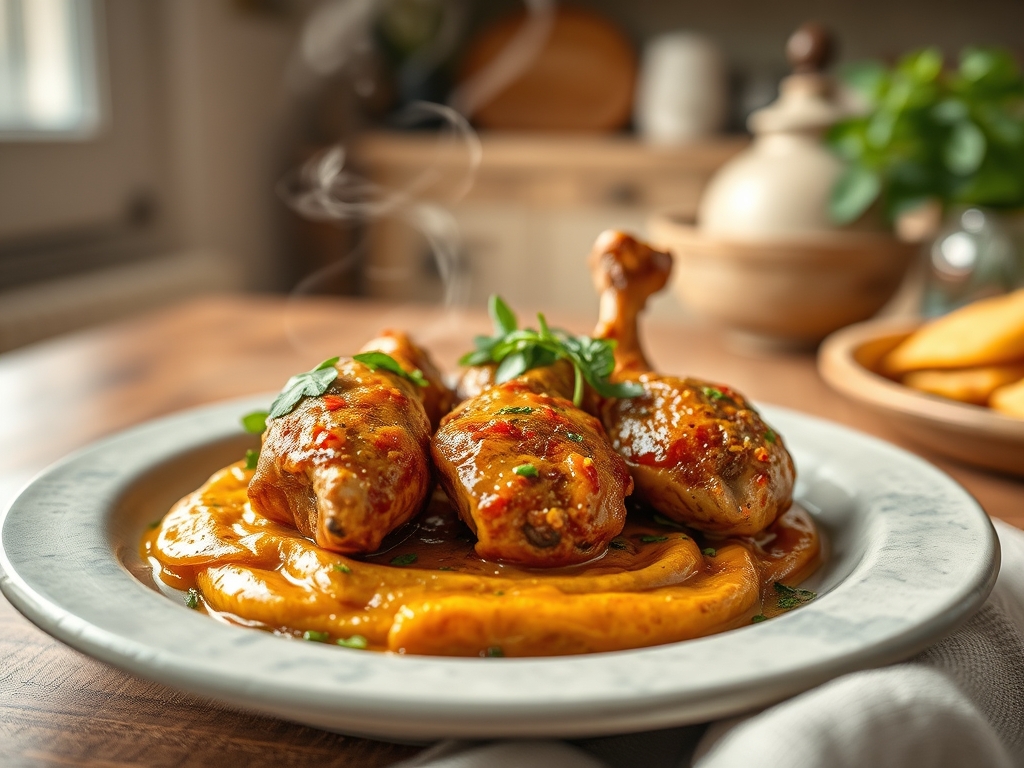
Imagine the scent of slow-simmered onions and toasted spices drifting through your kitchen; it is a fragrance that manages to be both earthy and electrifying. If you are craving a culinary adventure, these ethiopian chicken recipes offer a masterclass in flavor layering. We are moving beyond basic stews into a world of deep umami and piquant heat.
The cornerstone of this journey is the Doro Wat; a legendary dish that demands patience and precision. However, the beauty of ethiopian chicken recipes lies in their versatility. From the citrusy brightness of a ginger-heavy Alicha to the smoky depth of grilled skewers, these dishes rely on the transformative power of Berbere. This spice blend contains up to twenty ingredients, including chili peppers, garlic, ginger, and basil. When these spices hit hot fat, they undergo a process called blooming. This releases fat-soluble flavor compounds that water-based cooking simply cannot reach. We are not just making dinner; we are engineering a sensory experience that balances heat, acidity, and rich, rendered fats. Grab your heavy-bottomed skillet and let us get started.
The Gathers:
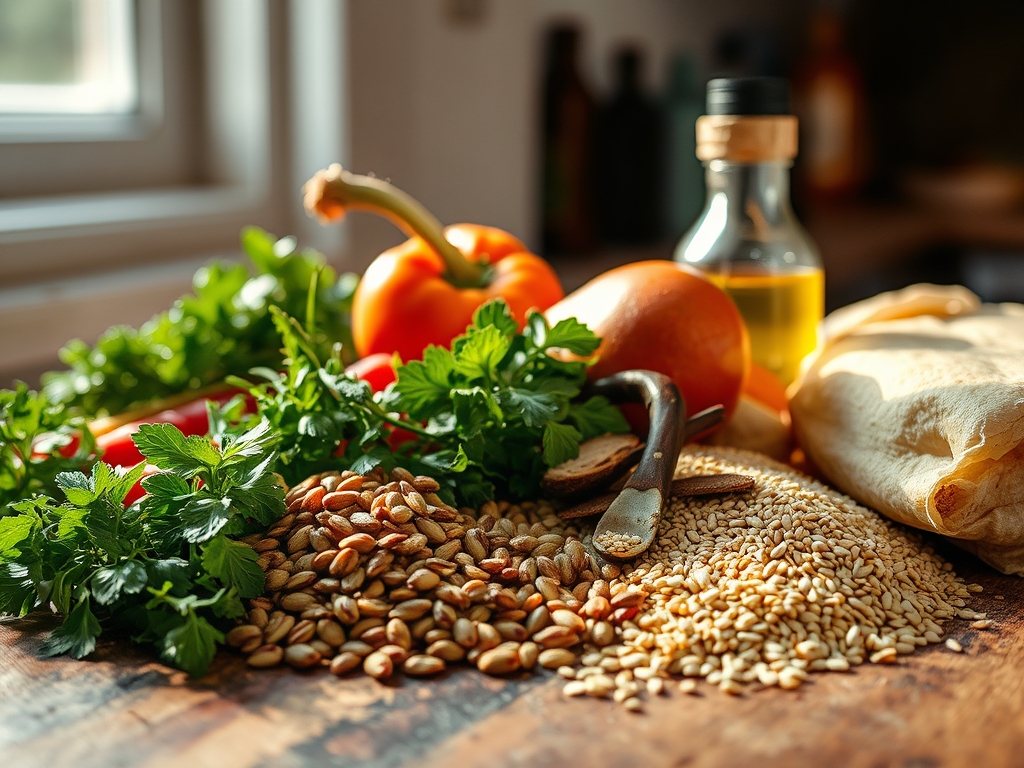
To execute these ethiopian chicken recipes with professional flair, your mise-en-place must be immaculate. Start with your aromatics. You will need a mountain of red onions, finely minced. In Ethiopian cooking, onions act as a thickener rather than just a flavor base. Use a sharp chef knife or a food processor to achieve a uniform, granular texture. This ensures they break down into a viscous, jam-like consistency.
Next, focus on the fats. Authentic recipes call for Niter Kibbeh, which is a clarified butter infused with spices like fenugreek and nigella seeds. If you do not have it, use a digital scale to measure out unsalted butter and clarify it yourself; then infuse it with toasted spices. For the protein, skinless chicken drumsticks and thighs are non-negotiable. Their high collagen content ensures the meat remains succulent during long braising periods.
Smart Substitutions: If Berbere is too intense, create a "Berbere-lite" by mixing smoked paprika with a touch of cayenne and ground cloves. For a vegan twist on these ethiopian chicken recipes, swap the poultry for hearty oyster mushrooms or seitan. Use avocado oil instead of butter to maintain a high smoke point while keeping the dish plant-based. Finally, do not forget the lemons. Fresh citrus juice is essential to deglaze the pan and brighten the heavy spice profiles.
The Clock
Efficiency in the kitchen is all about the "Chef's Flow." For these ethiopian chicken recipes, expect a total time of about ninety minutes. Preparation takes thirty minutes of focused knife work; specifically mincing onions and ginger. The cooking phase is where the magic happens, requiring sixty minutes of rhythmic stirring.
The "Chef's Flow" dictates that you start your onions first. Because they need to sweat without oil for at least twenty minutes to remove moisture, you can use this time to prep your chicken and spice blends. While the stew simmers, you can whip up a quick side or prepare your injera. This staggered approach ensures that no time is wasted and your kitchen remains organized.

The Masterclass:
1. The Dry Sweat
Place your minced onions in a dry, heavy-bottomed skillet over medium heat. Do not add oil yet. Stir constantly with a wooden spoon to prevent sticking. The goal is to evaporate the cellular water, concentrating the sugars.
Pro Tip: This is a form of enzymatic browning without added fats. By removing water first, you raise the temperature of the onion mass, allowing the Maillard reaction to occur more efficiently once the fat is added later.
2. Infusing the Niter Kibbeh
Once the onions are translucent and slightly purple, add your Niter Kibbeh. Use a microplane to grate fresh ginger and garlic directly into the fat. This ensures the aromatics are fine enough to melt into the sauce.
Pro Tip: Fat is a flavor carrier. Adding aromatics to the butter allows for lipid-mediated extraction, where the essential oils from the garlic and ginger are trapped in the fat molecules for a longer-lasting flavor.
3. Blooming the Berbere
Incorporate your Berbere spice blend. The mixture will turn a deep, burnished red. If the pan looks dry, add a splash of water to prevent the spices from scorching, which would introduce a bitter charcoal note.
Pro Tip: Heat causes the volatile oils in spices to aerate. This process, known as blooming, transforms the raw, dusty taste of dried spices into a complex, rounded profile that permeates the entire dish.
4. The Searing Phase
Add your chicken pieces to the spicy onion base. Use tongs to turn the meat, ensuring every inch is coated in the viscous sauce. Do not crowd the pan; work in batches if necessary to maintain a high surface temperature.
Pro Tip: Searing the chicken creates a flavor crust. Even though the meat will eventually be braised, this initial sear develops complex nitrogenous compounds that deepen the overall umami of the stew.
5. The Slow Braise
Add enough water or chicken stock to partially submerge the meat. Lower the heat to a whisper. Cover the skillet and let it simmer. This is where the connective tissue in the chicken transforms into gelatin.
Pro Tip: Maintaining a low temperature prevents the muscle fibers from tightening too quickly. This thermal regulation ensures the chicken remains fork-tender rather than rubbery or dry.
6. The Hard-Boiled Finish
In the final fifteen minutes, add peeled, hard-boiled eggs to the pot. Use a knife to make small longitudinal slits in the eggs so the sauce can penetrate the whites.
Pro Tip: This is an example of osmotic infusion. The salt and spices in the sauce move into the egg, seasoning it from the inside out and creating a beautiful marbled effect.
The Deep Dive
From a macro nutrition perspective, these ethiopian chicken recipes are powerhouses of protein and thermogenic spices. A standard serving provides approximately 35 grams of protein and is rich in Vitamin A and Iron. For those following Keto or Paleo lifestyles, simply serve the stew over cauliflower rice instead of traditional injera. If you are Gluten-Free, ensure your injera is made from 100% teff flour, which is a nutrient-dense, ancient grain.
The Fix-It: If your sauce is too thin, do not reach for cornstarch. Instead, remove the lid and increase the heat to reduce the liquid through evaporation. If the stew is too spicy, whisk in a tablespoon of Greek yogurt or a squeeze of lime to neutralize the capsaicin. If the chicken is sticking to the bottom, use a metal bench scraper to gently lift the fond; that caramelized residue is pure gold.
Meal Prep: These recipes actually improve with age. As the dish cools, the spices continue to infuse the protein. When reheating, add a tablespoon of water and use low heat to avoid breaking the emulsion of the sauce. This preserves the "day-one" quality and prevents the chicken from becoming stringy.
The Wrap-Up
Mastering these ethiopian chicken recipes is like learning a new language where spices are the vocabulary and heat is the punctuation. You have moved beyond simple cooking into the realm of culinary chemistry. By understanding how to sweat onions, bloom spices, and manage thermal carryover, you have elevated a humble chicken stew into a gourmet masterpiece. Now, lay out the injera, gather your favorite people, and prepare to eat with your hands. It is messy, it is bold, and it is absolutely brilliant.
The Kitchen Table
Can I make these recipes in a slow cooker?
Yes; however, you must still sauté the onions and bloom the spices in a skillet first. This ensures you develop the necessary depth of flavor that a slow cooker’s low-temperature environment cannot achieve on its own.
What is the best substitute for Niter Kibbeh?
Use clarified butter (ghee) mixed with a pinch of fenugreek, cumin, and cardamom. This mimics the complex, herbaceous profile of the traditional Ethiopian spiced butter without requiring a three-hour infusion process from scratch.
Why is my doro wat bitter?
Bitterness usually occurs if the Berbere spices or garlic are scorched. To fix this, add a teaspoon of honey or brown sugar to balance the acidity and mask the over-toasted notes without altering the dish's texture.
Is teff flour necessary for the side bread?
Teff is traditional and provides a unique sourdough tang. If unavailable, a mixture of whole wheat and all-purpose flour can work, though the nutritional profile and distinct fermented texture will differ from authentic Ethiopian injera.