
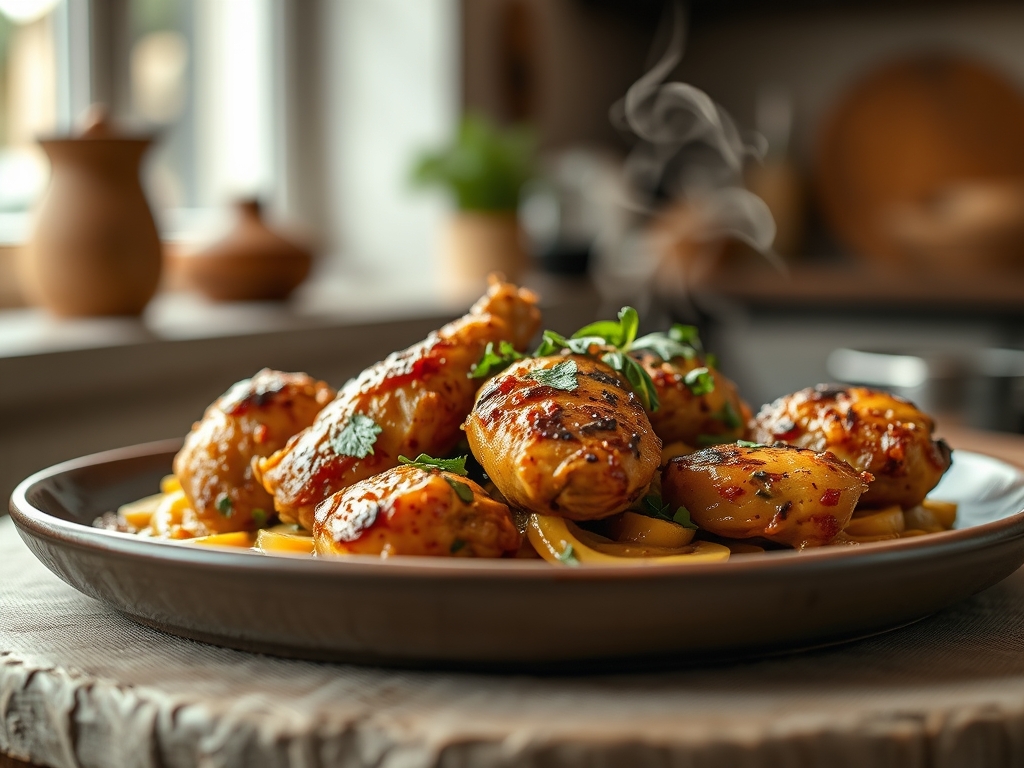
The aroma of searing poultry hits the back of your throat before you even realize you are hungry. It is that specific, nutty scent of amino acids meeting high heat. When you master easy chicken recipes skillet style, you are not just making dinner; you are orchestrating a series of high speed chemical reactions that transform a humble protein into a masterpiece. There is a visceral thrill in the sizzle of a heavy bottomed pan. It is the sound of a successful sear. Whether you are rushing through a Tuesday or hosting a casual Friday night with friends, the skillet is your most loyal ally. It offers the surface area needed for rapid evaporation and the thermal mass required for consistent results. We are moving beyond the dry, rubbery chicken of the past. Today, we are focusing on efficiency, flavor density, and the kind of culinary shortcuts that make you look like a seasoned professional without the four hour commitment.
The Gathers:
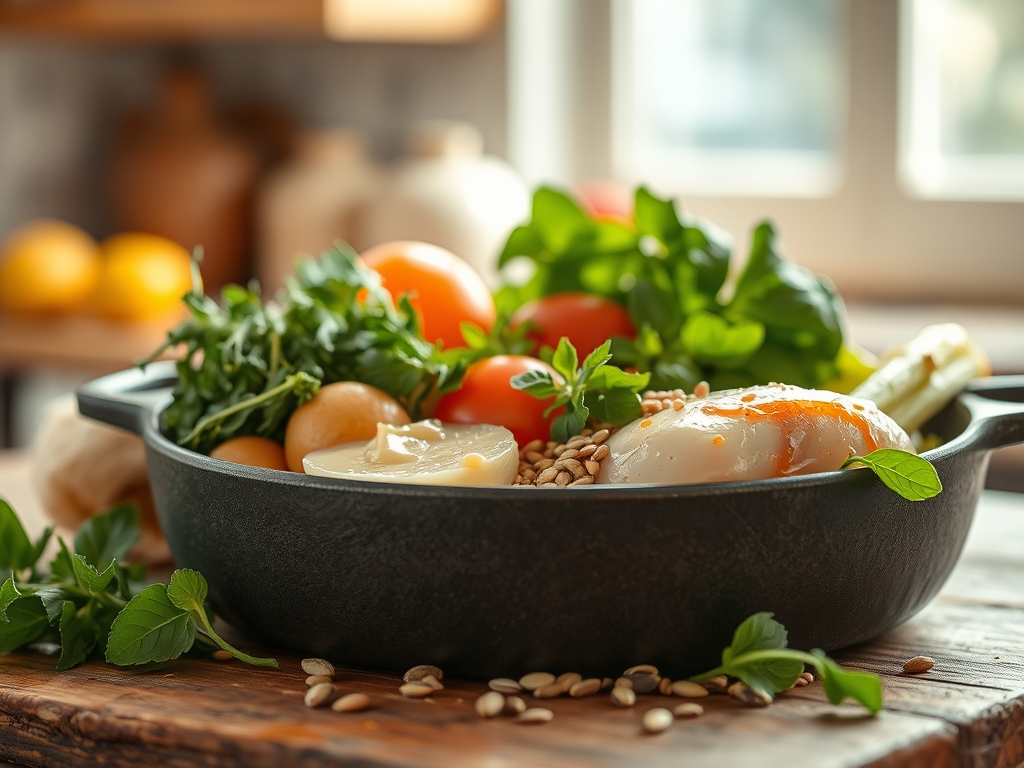
To execute these eight variations, your mise en place must be precise. Start with high quality chicken thighs or breasts, ensuring they are patted dry with lint free towels to prevent steam from ruining your crust. You will need a piquant array of aromatics: smashed garlic cloves, shallots, and fresh herbs like thyme or rosemary. The fats are equally important. Use a high smoke point oil like avocado or grapeseed for the initial sear, then finish with a cold pat of unsalted butter to emulsify your pan sauce.
Smart Substitutions are the secret to versatility. If you lack fresh shallots, a dash of dried onion powder mixed with a teaspoon of white vinegar provides a similar acidic bite. For those avoiding dairy, full fat coconut milk or a splash of cashew cream creates a viscous texture that rivals heavy cream. If you are out of white wine for deglazing, a mixture of chicken stock and a squeeze of lemon juice mimics that essential acidity. Always keep a microplane nearby to zest citrus or grate hard cheeses directly into the pan; it ensures the oils are released immediately for maximum fragrance.
The Clock:
Efficiency in the kitchen relies on what professionals call "Chef's Flow." These easy chicken recipes skillet methods typically require ten minutes of active prep and fifteen to twenty minutes of cook time. The goal is to minimize downtime. While the chicken is rendering its fat in the pan, you should be chopping your secondary vegetables or whisking your sauce components.
The "Flow" dictates that you never stand still. If the chicken is searing, you are cleaning your bench scraper. If the sauce is reducing, you are setting the table. By the time the meat has finished its mandatory five minute rest, your kitchen is tidy and your sides are ready. This synchronized timing ensures that every component hits the plate at its peak temperature and texture.
The Masterclass:
1. The High Heat Sear
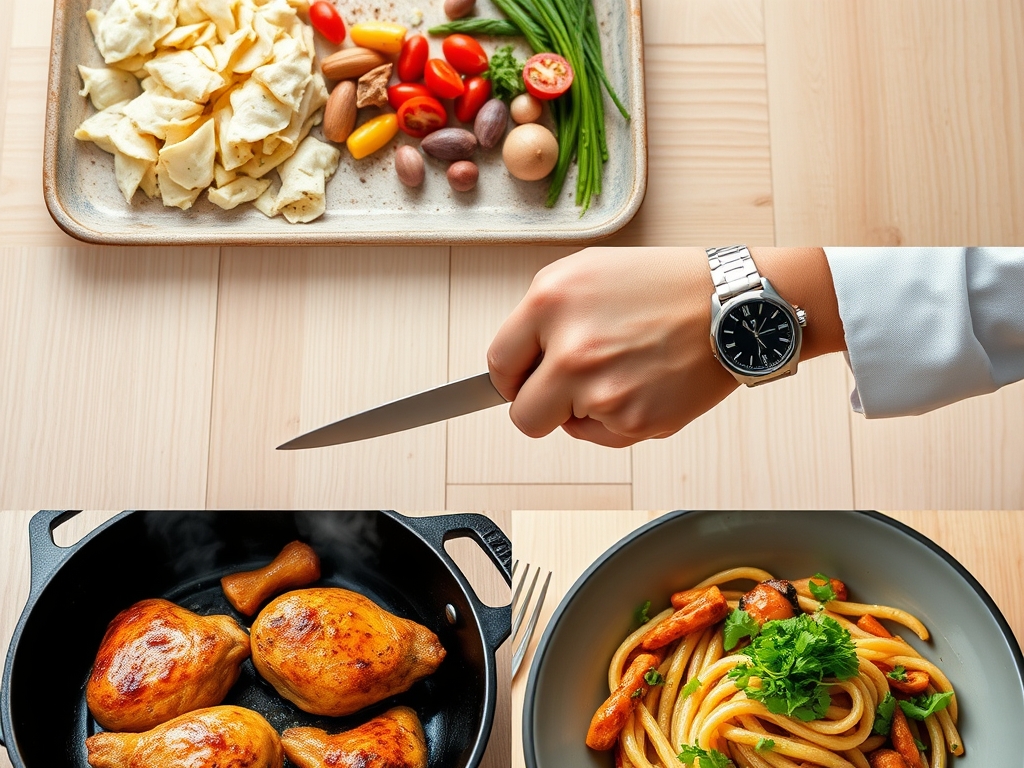
Place your seasoned chicken skin side down in a preheated skillet. Do not move it for at least four minutes. You are waiting for the Maillard reaction, where proteins and sugars rearrange to create that golden brown crust and complex flavor profile.
Pro Tip: This is enzymatic browning. Moving the meat too early breaks the protein bonds before they can properly caramelize, leading to a grey, unappealing surface.
2. Deglazing the Fond
Once the chicken is removed, you will see brown bits stuck to the bottom. This is "fond," the concentrated essence of flavor. Pour in a liquid like stock or wine and use a wooden spoon to scrape these bits into the liquid.
Pro Tip: Deglazing uses a solvent to dissolve flavorful solids. This creates a deeply savory base for any pan sauce without needing hours of simmering.
3. Aromatics Infusion
Lower the heat and add your garlic, ginger, or herbs. The goal is to infuse the fat with these volatile oils without burning the solids. Use your tongs to move them constantly until they become fragrant.
Pro Tip: Fats are excellent carriers for flavor. By sautéing aromatics in the leftover chicken fat, you are creating a more cohesive flavor bridge between the meat and the sauce.
4. The Emulsified Finish
Whisk in a cold fat or a starch slurry to thicken the sauce. This creates a smooth, glossy coating that clings to the chicken. Use a saucier or a whisk to ensure the fat does not separate from the liquid.
Pro Tip: Cold butter added to a hot sauce creates a stable emulsion. The milk solids suspend in the liquid, providing a rich mouthfeel and a professional sheen.
The Deep Dive:
From a macro perspective, these meals are powerhouses. A standard serving provides approximately 35 to 40 grams of lean protein. By controlling the fats in your skillet, you can keep the caloric density manageable while maximizing micronutrients through the addition of spinach, bell peppers, or kale during the final simmer.
For dietary swaps, these recipes are inherently flexible. To make them Keto, simply omit starches and use heavy cream or butter for the sauce. For a Vegan twist, replace the chicken with thick slabs of cauliflower or firm tofu, though you will need to increase the seasoning to compensate for the neutral base. Gluten Free diners should swap flour thickeners for cornstarch or a reduction method.
The Fix-It: If your sauce breaks (looks oily), whisk in a tablespoon of hot water to re-emulsify. If the chicken is dry, you likely missed the thermal carryover; always pull the meat at 160 degrees Fahrenheit, as it will reach the safe 165 mark while resting. If the skin is soggy, your pan wasn't hot enough or you overcrowded the skillet, which trapped steam.
Meal prep is a science of moisture retention. When reheating, add a teaspoon of water or stock before microwaving or reheating in a pan. This creates a mini steam chamber that prevents the proteins from tightening and becoming tough, ensuring "day one" quality.
The Wrap-Up:
You are now equipped with the technical prowess to turn a simple bird into a gourmet experience. Skillet cooking is about confidence and heat management. By understanding the chemistry of the sear and the logic of the pan sauce, you have unlocked a world of endless variations. Go forth, grab your favorite heavy skillet, and turn your kitchen into a high end bistro. You have the tools, the science, and the flavor; dinner is going to be spectacular.
The Kitchen Table:
How do I prevent chicken from sticking to the skillet?
Ensure the pan is fully preheated before adding oil. Once the oil shimmers, add the chicken. The meat will naturally "release" from the surface once the Maillard reaction has formed a proper crust. Do not force it early.
Can I use chicken breasts instead of thighs?
Yes, but breasts cook faster and dry out easily. Use a digital scale to ensure even thickness by pounding them thin. Cook them over medium high heat and use a meat thermometer to pull them at exactly 160 degrees.
What is the best skillet for easy chicken recipes?
A heavy bottomed stainless steel or cast iron skillet is best. These materials have high thermal mass, meaning they hold heat well and provide the consistent temperature needed for a professional sear and even cooking throughout.
How do I get a glossy restaurant style sauce?
The secret is "mounting with butter" or monter au beurre. Whisk in a few knobs of very cold, unsalted butter into your simmering sauce at the very end. The cold temperature helps create a stable, velvety emulsion.