
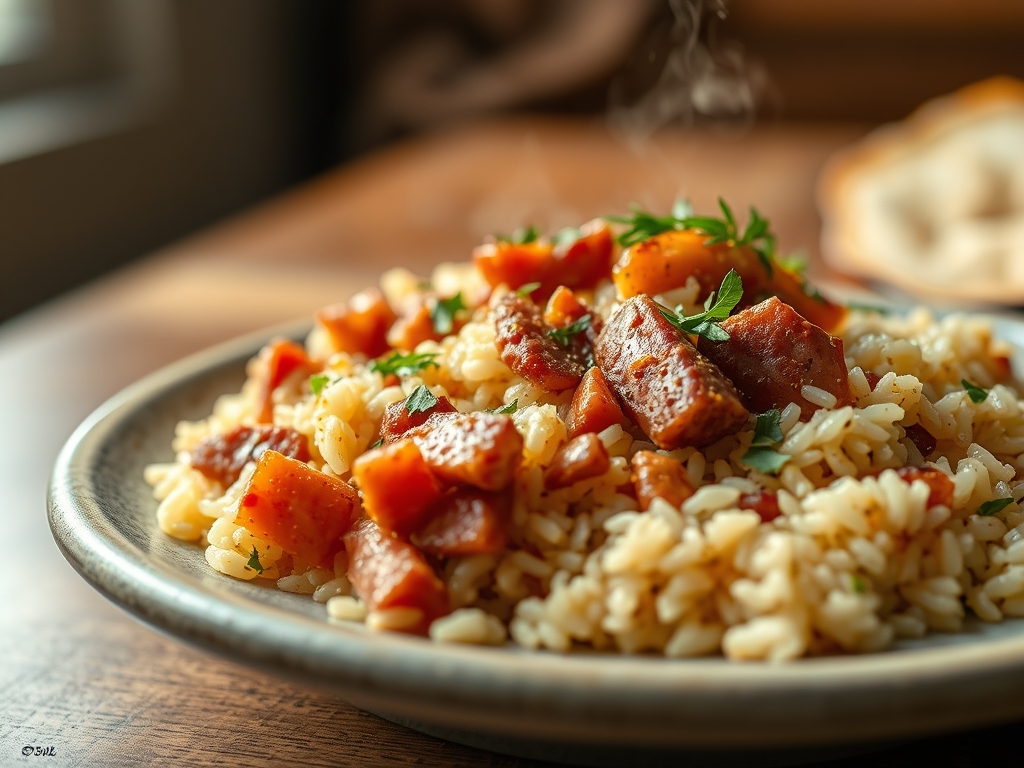
Imagine the scent of salt-cured brisket hitting a screaming hot cast iron surface; it is the olfactory equivalent of a warm hug from someone who also happens to have a PhD in flavor. We are diving deep into the world of rice and corned beef recipes, a culinary genre that bridges the gap between humble pantry staples and high-concept comfort food. This is not just about opening a tin and boiling a pot. It is about the chemistry of fat-soluble aromatics and the structural integrity of a perfectly steamed grain. When you master the balance of the piquant, brined beef against the neutral, starchy canvas of long-grain rice, you are not just making dinner; you are conducting a symphony of textures.
The magic of rice and corned beef recipes lies in the Maillard reaction, where the sugars and amino acids in the beef caramelize to create that signature savory crust. Whether you are using leftover home-cured brisket or a high-quality canned variety, the goal is the same: maximum surface area contact for browning. We are going to explore how to elevate this duo using professional techniques like deglazing with acidic components to cut through the richness and aerating the rice to ensure every grain remains distinct. Grab your favorite heavy-bottomed skillet and a silicone spatula; we are about to turn these simple ingredients into a masterpiece of domestic engineering.
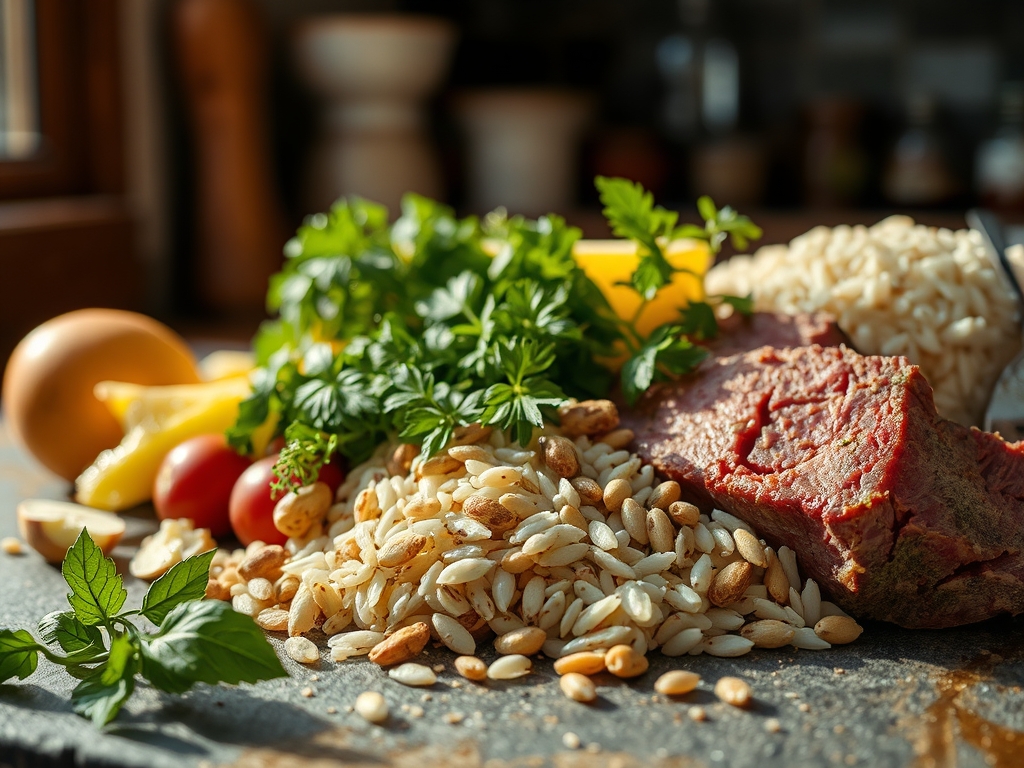
The Gathers:
To achieve a restaurant-grade result, your mise-en-place must be precise. Start with 12 ounces of high-fat corned beef; the lipid content is crucial for rendering the fat that will eventually coat your rice. You will need two cups of long-grain jasmine rice, thoroughly rinsed until the water runs clear to remove excess surface starch. For the aromatic base, gather one large yellow onion (finely diced with a bench scraper), four cloves of garlic (pulverized with a microplane for maximum surface area), and a thumb of ginger.
The liquid gold in this recipe is the stock. Use a low-sodium beef or vegetable broth to control the salinity, as corned beef is inherently high in sodium. You will also need two tablespoons of tomato paste to provide a viscous body and a touch of umami. For the "Smart Substitutions," if you are out of jasmine rice, parboiled rice works beautifully to maintain grain separation. If you find the beef too heavy, swap half of it for sautéed shiitake mushrooms; they mimic the fibrous texture of the beef while adding a different layer of earthiness. Always keep a bottle of apple cider vinegar or a fresh lemon nearby; the acidity is the "brightness" that wakes up the heavy fats.
The Clock
Efficiency in the kitchen is about the "Chef's Flow," which means overlapping tasks to minimize downtime. Your total active prep time should be 15 minutes, with a cook time of approximately 25 minutes. While the rice is simmering in the saucier, you should be rendering the beef in a separate skillet. This parallel processing ensures that the rice is at its peak fluffiness exactly when the beef reaches its maximum crispness. Total time from pantry to plate is 40 minutes.
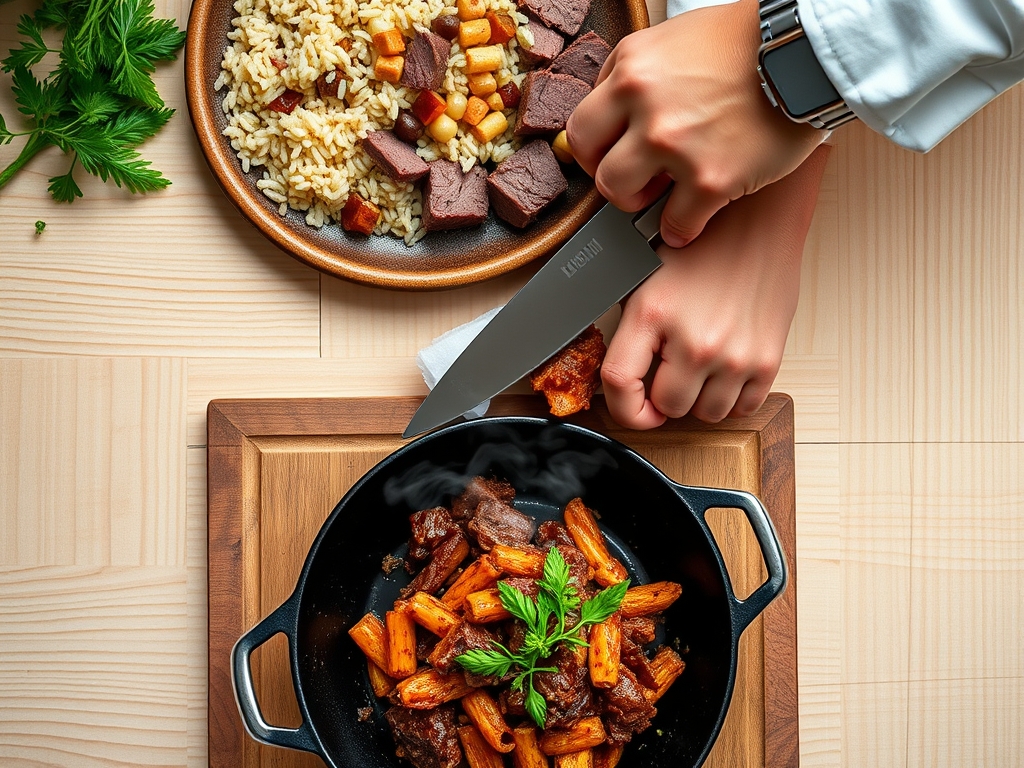
The Masterclass
1. The Starch Preparation
Rinse your rice in a fine-mesh sieve until the water is no longer cloudy. This removes the free amylopectin that causes clumping. Toast the dry rice in a teaspoon of neutral oil for two minutes before adding liquid.
Pro Tip: Toasting the rice creates a protective nutty coating via dextrinization, which prevents the grains from absorbing water too quickly and turning into mush.
2. Rendering the Fat
Place your corned beef in a cold, heavy-bottomed skillet and turn the heat to medium-high. Do not add oil; let the beef's own fat melt and coat the pan. Use a wooden spoon to break the meat into small, uniform crumbles.
Pro Tip: Starting in a cold pan allows the fat to render out slowly before the proteins sear, ensuring the meat crisps in its own tallow rather than steaming.
3. The Aromatic Infusion
Once the beef is crispy, push it to the edges of the pan and drop in your onions and garlic. Sauté until the onions are translucent and have picked up the brown bits (fond) from the bottom of the pan.
Pro Tip: This is enzymatic browning at work. The sulfur compounds in the onions mellow out, transforming from sharp and pungent to sweet and savory.
4. Deglazing and Emulsifying
Add the tomato paste and a splash of beef stock or dry white wine. Use your spatula to scrape the bottom of the pan vigorously. This incorporates the concentrated flavors back into the sauce.
Pro Tip: The acidity in the wine or vinegar acts as an emulsifier, helping the rendered fat and the stock bind into a silky sauce rather than a greasy puddle.
5. The Final Integration
Fold the cooked rice into the beef mixture using a gentle "cut and lift" motion to avoid breaking the grains. Let it sit on low heat for three minutes to allow the flavors to infuse.
Pro Tip: This resting period utilizes thermal carryover, allowing the moisture to redistribute evenly through the rice so every bite is perfectly seasoned.
The Deep Dive
From a macro perspective, this dish is a powerhouse of protein and complex carbohydrates. A standard serving provides roughly 25g of protein and 45g of carbohydrates. To make this Keto-friendly, simply swap the rice for riced cauliflower; just be sure to sauté the cauliflower over high heat to evaporate excess moisture. For a Vegan version, use "corned" seitan and vegetable broth.
The "Fix-It" section: If your dish is too salty, add a diced potato; the starch will absorb excess salt. If the rice is too mushy, spread it on a baking sheet and put it under the broiler for two minutes to dry it out. If the flavor feels "flat," add a teaspoon of Worcestershire sauce or fish sauce for an umami kick. For meal prep, store the rice and beef in an airtight container. When reheating, add a tablespoon of water and cover with a damp paper towel; this creates a steam chamber that restores the rice's "day-one" elasticity.
The Wrap-Up
Mastering rice and corned beef recipes is a rite of passage for any home cook looking to marry science with soul. By focusing on the Maillard reaction and proper starch management, you turn a budget-friendly meal into a sophisticated dining experience. It is savory, it is salty, and it is endlessly customizable. Now, go forth and let that skillet sizzle; your kitchen is about to become the best bistro in town.
The Kitchen Table
Can I use canned corned beef for this recipe?
Yes, canned corned beef is excellent for this dish. It has a high fat content that renders beautifully, providing a built-in cooking medium for your aromatics. Just be sure to drain any excess liquid before searing to ensure a crispy texture.
How do I prevent the rice from becoming sticky?
The secret is rinsing the rice thoroughly to remove surface starch. Additionally, toasting the grains in oil before adding water creates a physical barrier that prevents the grains from sticking together during the gelatinization process.
What is the best way to reheat leftovers?
Use a microwave-safe bowl and cover it with a damp paper towel. The moisture from the towel creates steam, which rehydrates the rice grains without making them soggy, effectively restoring the original texture of the dish.
Is this dish gluten-free?
Naturally, yes. Rice and corned beef are both gluten-free. However, always check the label on canned corned beef or beef stock, as some brands use wheat-derived thickeners or additives that could introduce gluten into your meal.