
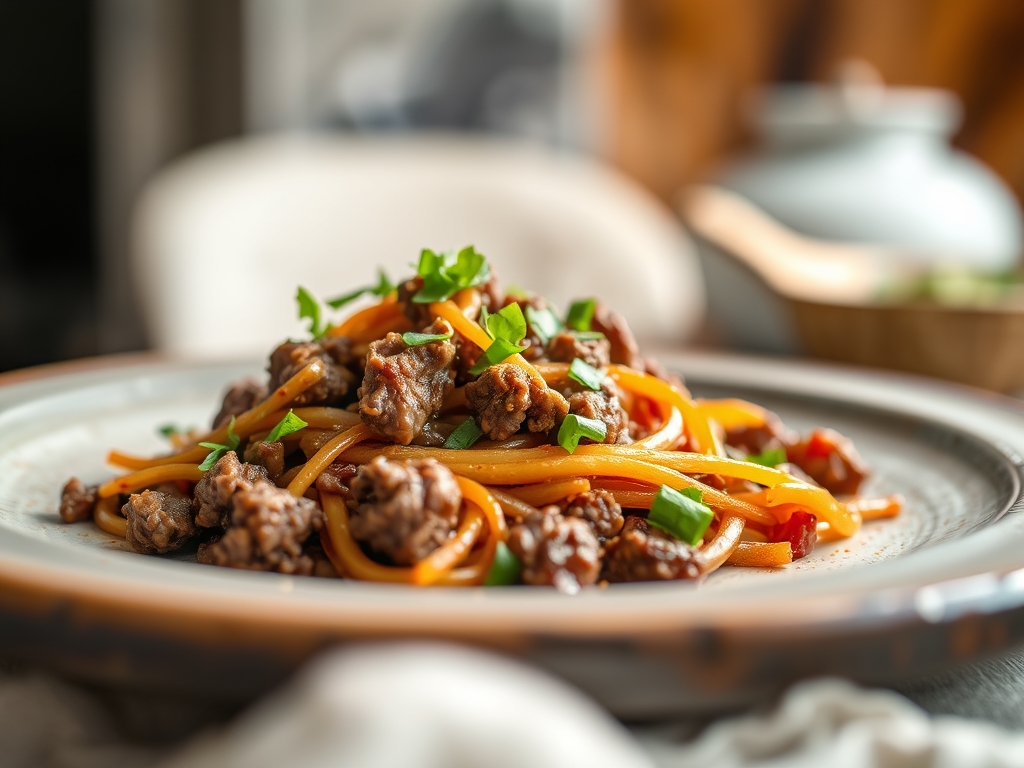
Picture the heavy-bottomed skillet resting on your range; its surface is shimmering with a thin veil of oil just seconds away from the smoke point. As you drop the meat into the pan, the immediate hiss is not just noise; it is the sound of moisture rapidly evaporating to make way for the Maillard reaction. When searching for mongolian beef recipes with ground beef, most people are looking for speed, but what they truly crave is that specific, sticky, ginger-forward glaze that clings to every cranny of the protein. This dish is a masterclass in balancing the piquant bite of fresh aromatics with the deep, earthy sweetness of dark brown sugar. It is the ultimate weeknight alchemy. We are transforming humble, cost-effective ground beef into a restaurant-grade masterpiece that rivals any flank steak version. By utilizing the increased surface area of ground meat, we maximize the caramelization potential, ensuring every single bite is infused with a concentrated, savory intensity that defines the best mongolian beef recipes with ground beef.
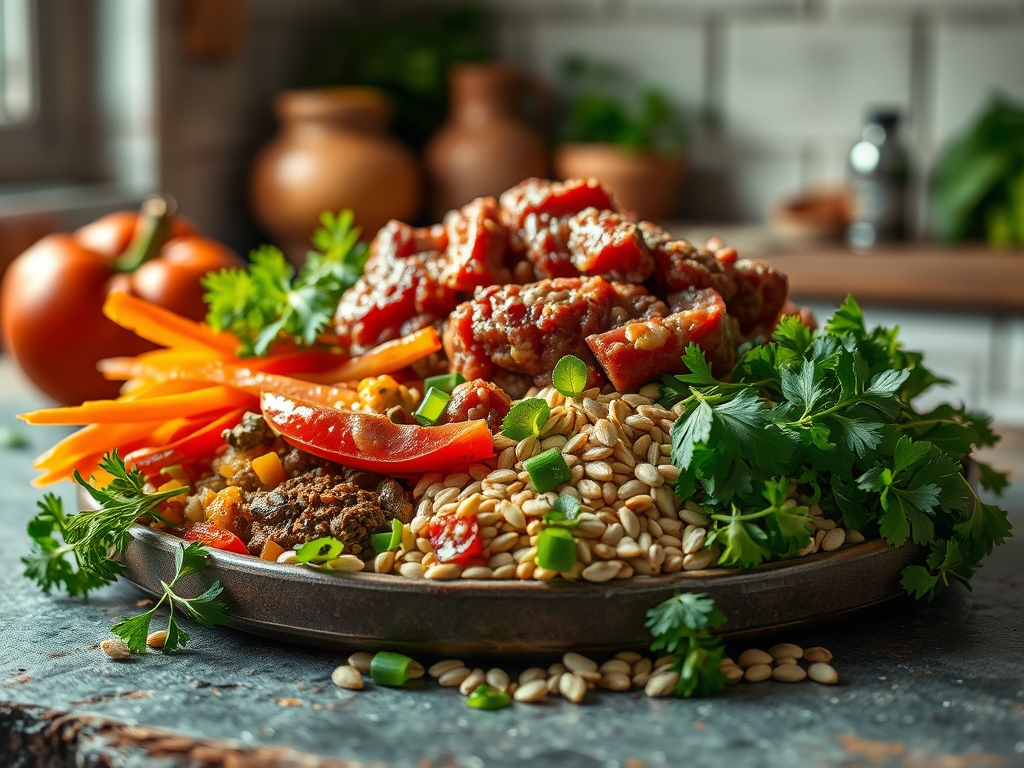
The Gathers:
To achieve a professional result, your mise-en-place must be precise. Start with one pound of high-quality ground beef; ideally a 15 to 20 percent fat ratio to ensure the meat remains succulent rather than desiccated during the high-heat sear. You will need a microplane to grate four cloves of fresh garlic and a one-inch knob of ginger. Grating rather than mincing creates a paste that integrates into the sauce, preventing burnt bitter bits. For the viscous glaze, gather half a cup of low-sodium soy sauce, half a cup of dark brown sugar, and a tablespoon of cornstarch. The cornstarch acts as a thickener through starch gelatinization.
Smart Substitutions: If you are watching your sodium, coconut aminos offer a similar depth with a lower salt profile. For the fat, if you choose a leaner 90/10 beef, add a teaspoon of toasted sesame oil to the pan to provide the necessary lipids for flavor carry. Do not forget the aromatics; a bunch of scallions cut on a sharp bias provides both a visual pop and a sulfurous crunch that cuts through the richness of the rendered fat.
The Clock:
Efficiency in the kitchen is about the Chef's Flow. Your total active time is approximately 10 minutes, with a cook time of 12 minutes. The flow begins with the "Cold Prep" phase; whisking your sauce components in a small saucier before the heat is even turned on. This prevents the frantic scramble once the beef starts to brown. The "Active Searing" phase requires your undivided attention for 6 to 8 minutes. Finally, the "Emulsification Phase" takes only 120 seconds. This is when the sauce and the rendered fats marry into a glossy coating. Total elapsed time from fridge to table is under 25 minutes; making this faster than any delivery service in your zip code.
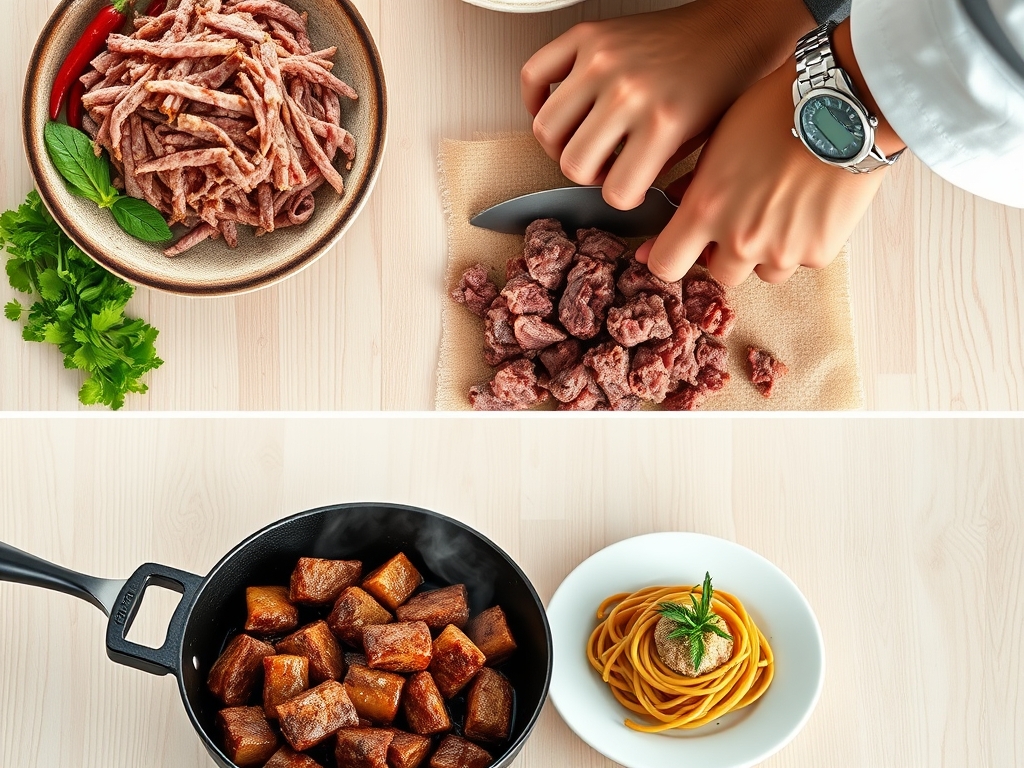
The Masterclass:
1. The High-Heat Sear
Place your heavy-bottomed skillet over medium-high heat. Once the pan is hot, add the ground beef in a single, flat layer. Use a sturdy spatula to press it down, but do not stir it immediately. Let it sit undisturbed for at least three minutes.
Pro Tip: This patience facilitates the Maillard reaction, a chemical reaction between amino acids and reducing sugars that creates hundreds of different flavor compounds. If you stir too early, you lose the thermal energy required for browning and end up "steaming" the meat in its own juices.
2. Degreasing and Aromatics
Once the meat is deeply browned on one side, break it into large crumbles. If there is excessive liquid in the pan, use a spoon to remove all but one tablespoon of the fat. Toss in your grated ginger and garlic, stirring constantly for 45 seconds until fragrant.
Pro Tip: This is known as blooming. Fat is a highly effective solvent for flavor; by sautéing aromatics in the rendered beef fat, you extract oil-soluble compounds that water-based liquids cannot reach, creating a more complex flavor profile.
3. The Sauce Integration
Pour your whisked soy sauce, sugar, and cornstarch mixture directly into the center of the pan. Use your spatula to scrape the bottom of the skillet, loosening any stuck-on brown bits.
Pro Tip: This process is called deglazing. Those brown bits, known as fond, are concentrated pockets of umami. Incorporating them back into the liquid ensures no flavor is wasted and adds a dark, professional color to your sauce.
4. Achieving the Glaze
Lower the heat to medium. Stir the mixture continuously as the liquid begins to bubble. You will notice the sauce transition from a thin, watery consistency to a thick, translucent glaze that coats the back of a spoon.
Pro Tip: This is starch gelatinization. As the cornstarch granules reach approximately 144 degrees Fahrenheit, they swell and burst, releasing amylose and amylopectin which trap water and thicken the sauce into a stable emulsion.
5. The Scallion Finish
Fold in the white and light green parts of the sliced scallions. Toss for 30 seconds just until they soften slightly, then remove the pan from the heat source entirely.
Pro Tip: Avoid overcooking the greens. Residual thermal carryover will continue to soften the vegetables even after the heat is off. Keeping them slightly crisp provides a structural contrast to the soft, tender beef.
6. The Final Aeration
Before serving, give the pan one final, vigorous toss. This incorporates air and ensures the fat and sugars are perfectly emulsified, giving the dish its signature "lacquered" look.
Pro Tip: Aeration at the final stage lightens the mouthfeel of heavy sauces. It ensures the glaze is evenly distributed across the increased surface area of the ground beef, preventing any dry patches.
The Deep Dive:
From a macro nutrition perspective, this dish is a protein powerhouse. A standard serving provides approximately 28 grams of protein. To make this Keto-friendly, swap the brown sugar for a monk fruit sweetener and replace the cornstarch with a pinch of xanthan gum. For a Gluten-Free version, ensure you are using Tamari instead of traditional soy sauce.
The Fix-It:
- The sauce is too salty: Add a splash of rice vinegar or a squeeze of lime. The acid will balance the sodium levels without diluting the texture.
- The meat is "grey" and wet: You overcrowded the pan. Next time, cook in two batches or use a larger skillet to allow moisture to escape as steam.
- The sauce is clumpy: This happens if the cornstarch wasn't fully whisked into the cold liquid first. Fix it by adding a tablespoon of hot water and whisking vigorously over low heat.
Meal Prep Science: To maintain "day-one" quality, store the beef and rice in airtight glass containers. When reheating, add one teaspoon of water before microwaving. This creates a mini-steam chamber that re-hydrates the starch molecules in both the rice and the beef glaze, preventing that dreaded "reheated leftovers" dry texture.
The Wrap-Up:
There you have it; a sophisticated, flavor-dense meal that proves you do not need expensive cuts of steak to create a culinary "wow" moment. By mastering the science of the sear and the chemistry of the glaze, you have turned basic pantry staples into a vibrant, restaurant-quality dinner. This recipe is a testament to the fact that technique always trumps ingredient cost. Now, grab your chopsticks, garnish with a few sesame seeds, and enjoy the fruits of your scientific labor!
The Kitchen Table:
Can I use ground turkey instead of beef?
Yes; however, turkey has less fat and higher moisture. You must add a tablespoon of neutral oil to the pan to achieve the same Maillard browning and prevent the meat from becoming rubbery during the high-heat sear.
How do I store leftovers safely?
Place the cooled beef in an airtight container and refrigerate for up to four days. For the best texture, avoid freezing the cooked dish, as the cornstarch-based sauce may break and become watery upon thawing.
Why is my sauce not thickening?
The sauce requires a simmer to activate the cornstarch. If it remains thin, ensure the liquid has reached a gentle bubble. If it still lacks body, whisk a teaspoon of cornstarch with cold water and stir it in.
What is the best side dish for this?
Steamed jasmine rice is the classic choice because its porous structure absorbs the extra glaze. For a lower-carb option, cauliflower rice or sautéed bok choy provides a fresh, crunchy contrast to the sweet and savory beef.