
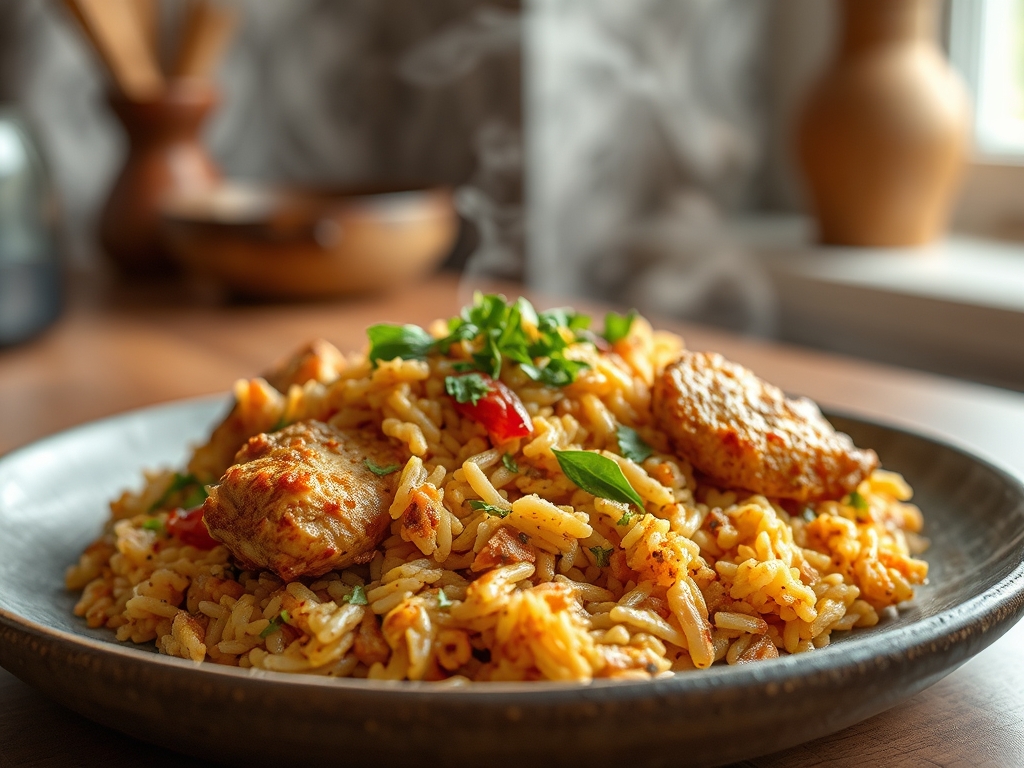
The kitchen air shifts the moment the dry vermicelli hits the hot butter in your heavy-bottomed skillet. That nutty, toasted aroma is the unmistakable signature of the San Francisco Treat. We are moving beyond the basic box instructions to master rice a roni chicken recipes that taste like a high-end bistro dinner. By manipulating starch and heat, we transform a pantry staple into a culinary masterpiece.
Forget the soggy, salt-heavy side dishes of the past. Today, we are focusing on the Maillard reaction and the art of the deglaze. Whether you are looking for a creamy one-pot wonder or a crispy skillet bake, these hacks leverage the science of flavor to elevate your weeknight routine. We are talking about succulent poultry, perfectly al dente grains, and a sauce consistency that would make a French saucier proud. Grab your favorite apron and let us dive into the chemistry of comfort food.
The Gathers:
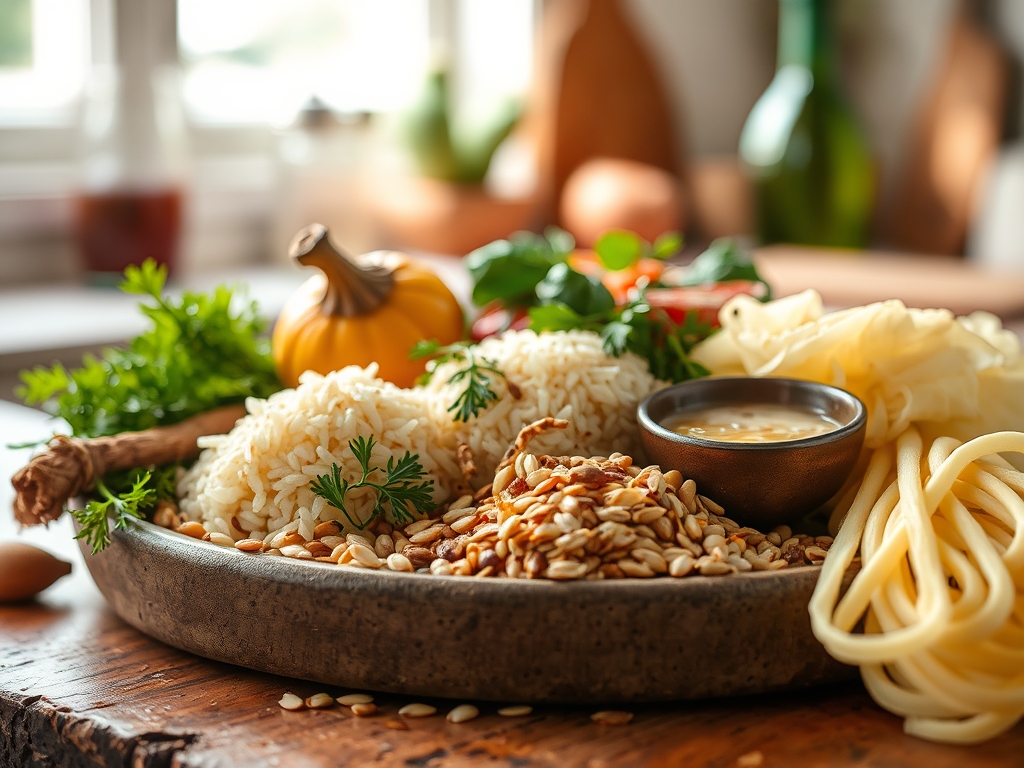
To execute these rice a roni chicken recipes with precision, your mise-en-place must be impeccable. Start with your protein; high-quality chicken thighs are preferred over breasts because the higher fat content allows for a more flavorful render during the initial sear. You will need a box of the classic Chicken flavor, but do not stop there. Gather fresh aromatics like shallots, garlic, and lacinato kale.
For the liquids, swap the standard tap water for a low-sodium bone broth. Bone broth contains gelatin, which provides a more viscous mouthfeel and a deeper protein profile. Keep a bottle of dry white wine, such as a Sauvignon Blanc, nearby for acidity. Smart substitutions are your best friend here. If you want to lower the sodium, use only half the seasoning packet and supplement with fresh herbs like thyme and rosemary. If you lack fresh garlic, a dash of garlic oil provides that piquant punch without the risk of burning the delicate cloves. Use a digital scale to ensure your chicken portions are uniform for even cooking.
The Clock:
Mastering the "Chef's Flow" is about overlapping tasks to minimize downtime. The total active prep time for these rice a roni chicken recipes is approximately 15 minutes, with a total cook time of 25 minutes. While your chicken is tempering on the counter, use your bench scraper to clear your cutting board of vegetable scraps.
The flow begins with the sear. While the chicken develops a golden crust, you are measuring your liquids. The rice toasts while the chicken rests, ensuring the meat juices redistribute rather than spilling out onto the board. This synchronized timing ensures that every component reaches the finish line at the exact same temperature, preventing the dreaded "cold center" syndrome often found in rushed one-pot meals.
The Masterclass:
1. The Superior Sear
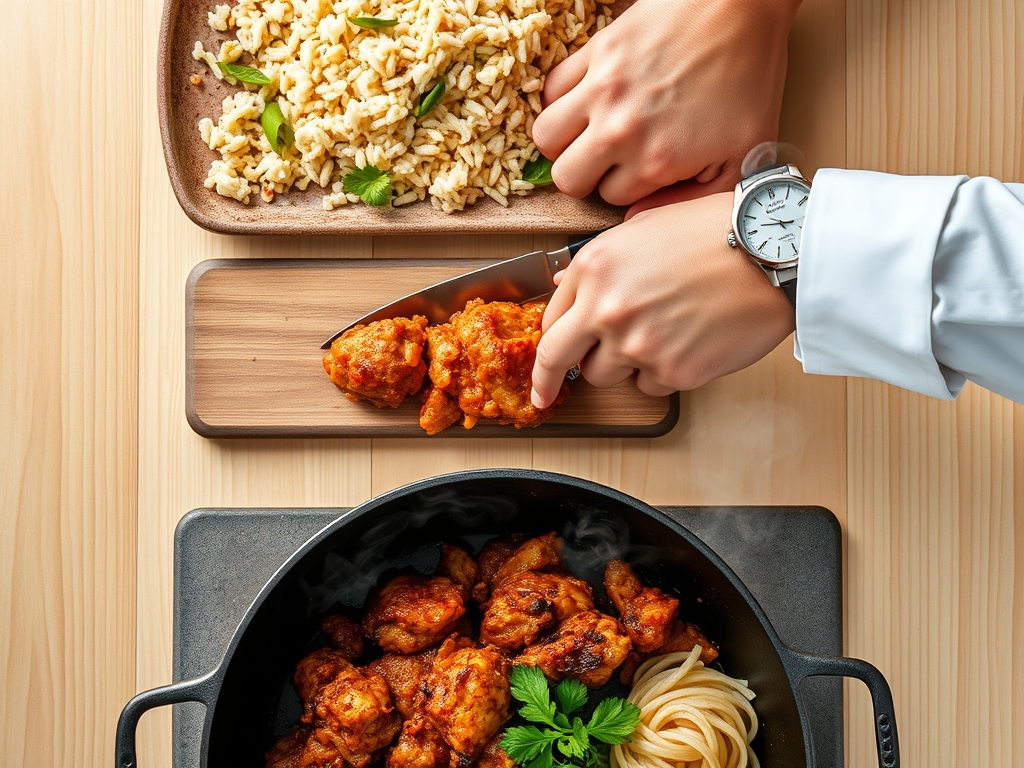
Pat your chicken completely dry with paper towels. Moisture is the enemy of the Maillard reaction. Heat your skillet until the oil shimmers, then place the chicken skin-side down. Do not move it for at least four minutes. Use professional tongs to check for a deep golden hue before flipping.
Pro Tip: This is known as enzymatic browning. By leaving the meat undisturbed, you allow the amino acids and reducing sugars to create a complex flavor profile that cannot be replicated by boiling or steaming.
2. Toasting the Grains
After removing the chicken, do not wash the pan. Those brown bits at the bottom are fond, pure concentrated flavor. Add your rice and vermicelli mix to the residual fat. Stir constantly with a wooden spoon until the pasta turns a medium tan and smells like toasted hazelnuts.
Pro Tip: Toasting the rice creates a protective coating of dextrin. This prevents the grains from absorbing water too quickly, which is the secret to achieving an al dente texture rather than a mushy consistency.
3. The Acidic Deglaze
Pour in a splash of white wine or a squeeze of lemon juice while the pan is still screaming hot. Use your spoon to scrape the fond off the bottom of the skillet. This integrates the caramelized chicken essence directly into the cooking liquid.
Pro Tip: This process is called deglazing. The acid in the wine balances the saltiness of the seasoning packet, creating a more sophisticated and layered palate.
4. Controlled Hydration
Add your broth and the seasoning packet, then return the chicken to the pan, nestling it into the rice. Cover with a tight-fitting lid to trap the steam. Reduce the heat to a low simmer. The goal is a gentle bubble, not a violent boil.
Pro Tip: Thermal carryover occurs here. Even though the chicken was not fully cooked during the sear, the trapped steam gently finishes the interior to a perfect 165 degrees Fahrenheit without drying out the exterior.
5. The Aeration Flip
Once the liquid is absorbed, remove the pan from the heat and let it sit, covered, for five minutes. Then, use a fork to gently lift and separate the grains. Do not stir vigorously, as this releases too much starch and makes the dish gummy.
Pro Tip: This allows the steam to aerate the rice. It ensures each grain stands individual and proud, which is the hallmark of a professionally prepared pilaf.
6. The Fresh Finish
Zest a lemon over the top using a microplane and shower the dish with freshly chopped parsley. The heat from the rice will release the volatile oils in the herbs, providing a bright, aromatic contrast to the savory base.
Pro Tip: Adding fresh elements at the very end prevents the heat from destroying the delicate chlorophyll and essential oils, keeping the colors vibrant and the flavors sharp.
The Deep Dive:
When analyzing the macro nutrition of rice a roni chicken recipes, a standard serving provides roughly 350 to 450 calories, with 25 grams of protein and 40 grams of carbohydrates. To optimize this for health, increase the fiber by folding in two cups of baby spinach during the final resting phase.
For dietary swaps, keto followers can replace the rice with riced cauliflower, though you must reduce the liquid by 75 percent. For a vegan version, swap the chicken for firm tofu cubes and use a mushroom-based broth. If you are gluten-free, look for the specific GF Rice-A-Roni varieties that use white rice and corn-based pasta.
"The Fix-It" guide for common pitfalls:
- Crunchy Rice: Your lid was not tight enough. Add two tablespoons of broth, cover tightly, and simmer for three more minutes.
- Salty Overload: You used the whole packet plus salted broth. Add a squeeze of lime or a dollop of Greek yogurt to neutralize the sodium with acid or fat.
- Burnt Bottom: The heat was too high. Next time, use a heat diffuser or a thicker heavy-bottomed skillet to distribute energy more evenly.
For meal prep, reheating is a science. To maintain "day-one" quality, add a teaspoon of water per serving before microwaving. This creates a mini-steam chamber that rehydrates the starch molecules, preventing the rice from becoming hard and brittle.
The Wrap-Up:
You have officially graduated from "box-maker" to "culinary artist." By understanding the mechanics of heat and the importance of the deglaze, you have turned a simple pantry staple into a gourmet experience. These rice a roni chicken recipes are proof that great cooking is not about expensive ingredients; it is about technique, timing, and a little bit of kitchen chemistry. Now, go forth and sear with confidence!
The Kitchen Table:
Can I make these recipes in a slow cooker?
Yes, but you must reduce the liquid by one third. Sear the chicken and toast the rice in a skillet first to ensure the flavor develops properly before adding everything to the crockpot for two hours on high.
How do I prevent the chicken from getting dry?
Always use a digital thermometer to pull the chicken at 160 degrees Fahrenheit. The thermal carryover will bring it to the safe 165-degree mark while it rests, ensuring the meat remains juicy and tender throughout.
What is the best way to store leftovers?
Store in an airtight glass container for up to four days. To reheat, add a splash of broth and cover with a damp paper towel. This creates steam that restores the original texture of the grains and poultry.
Can I use frozen chicken for these recipes?
It is not recommended. Frozen chicken releases excess water as it thaws, which will ruin the rice-to-liquid ratio and lead to a soggy consistency. Always thaw your poultry completely and pat it dry before starting.