
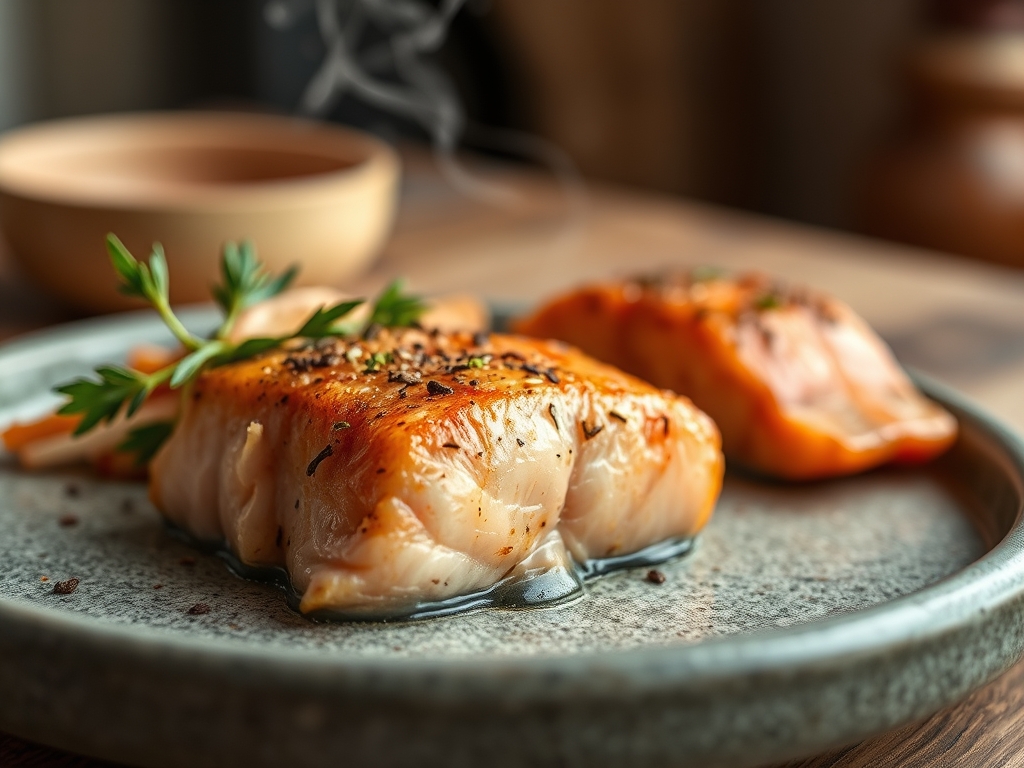
Picture this: a rainy Tuesday evening, your hunger is peaking, and the fridge looks like a minimalist art gallery. You reach for that humble silver tin in the pantry. While others see a basic staple, we see a culinary chameleon. Mastering canned salmon recipes low carb is your secret weapon for high protein, brain boosting meals that require zero defrosting time. It is about transforming shelf stable protein into a bistro quality experience through the power of emulsification and structural integrity. We are moving past the soggy salmon patties of the past; today, we are engineering texture and depth that rivals a fresh sockeye fillet.
The magic of canned salmon lies in its versatility. Because it is pre cooked, we are not managing internal temperatures to prevent pathogens; instead, we are manipulating moisture levels and surface area to achieve the perfect golden crust or a silky, whipped mousse. By integrating high quality fats like avocado oil and binding with almond flour rather than breadcrumbs, we keep the glycemic index low while maximizing the savory umami profile. Whether you are craving a piquant salad topper or a crispy, pan seared cake, these hacks will redefine your relationship with the pantry. Let us dive into the molecular mechanics of the perfect low carb salmon feast.
The Gathers:
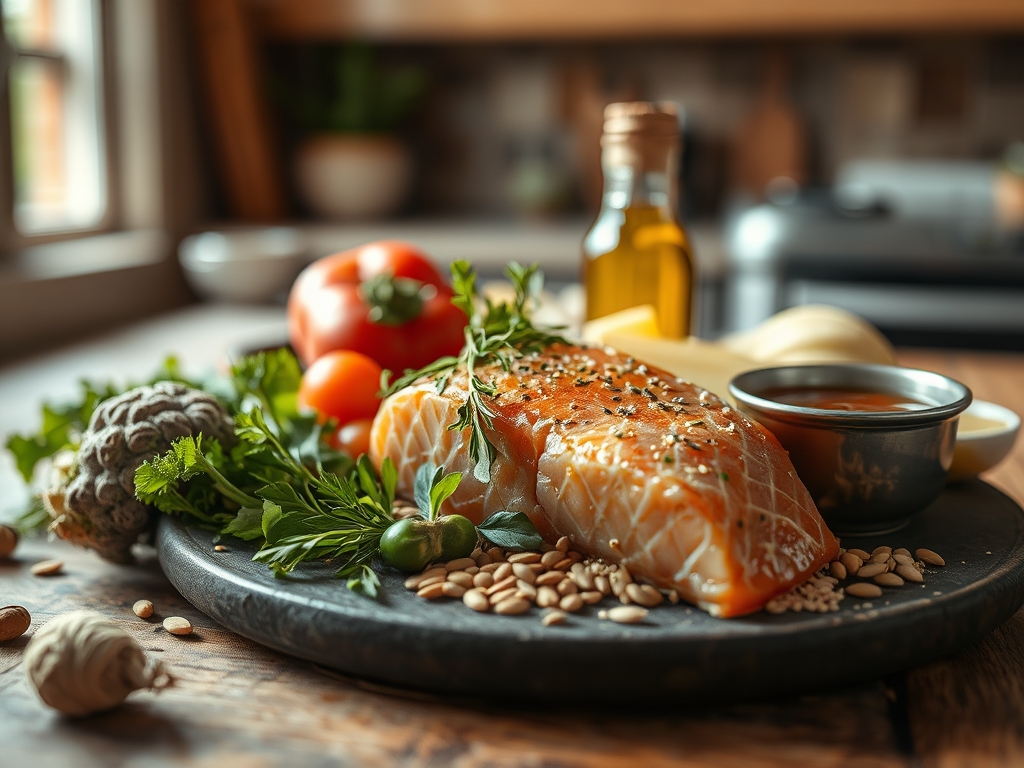
To execute these canned salmon recipes low carb with precision, your mise-en-place must be intentional. Start with high quality wild caught pink or red salmon. Red salmon offers a firmer texture and higher astaxanthin content, which provides that vibrant coral hue. You will need a microplane for zesting citrus and grating aromatics like ginger or garlic; this increases the surface area for flavor release without adding bulk. For binding, swap traditional flour for superfine almond flour or crushed pork rinds. These options provide the necessary structural proteins and fats to prevent your salmon from fragmenting in the pan.
Essential aromatics include scallions, capers for a burst of acidity, and fresh dill. Use a digital scale to measure your binders; precision ensures the moisture to dry ratio remains consistent. For the creamy elements, choose a high fat Greek yogurt or a viscous avocado oil mayonnaise. These act as your emulsifiers, bridging the gap between the lean protein and the heat of the skillet. Finally, keep a high smoke point oil nearby, such as refined coconut oil or ghee, to ensure you can achieve a crisp exterior without burning the fats.
The Clock
Efficiency in the kitchen is about "Chef's Flow," the art of overlapping tasks to minimize downtime. For these canned salmon recipes low carb, the total active time is roughly 15 minutes, with a 10 minute rest period. The rest is non negotiable. It allows the binders to hydrate and the proteins to knit together, ensuring your salmon cakes do not fall apart during the flip.
Expect 5 minutes for the "Breakdown," where you drain the liquid and flake the fish. Spend another 5 minutes on the "Integration," mixing your aromatics and binders. The "Sear" takes approximately 3 to 4 minutes per side. If you are meal prepping, double these quantities; the thermodynamics of a larger batch requires a slightly longer cooling period before refrigeration to prevent condensation from softening your crisp edges.
The Masterclass
1. The Proper Drainage and Flake
Begin by opening your tin and draining the brine thoroughly. Use a fine mesh strainer to press out excess moisture. Transfer the salmon to a wide bowl and use a fork to flake the meat into uniform, bite sized pieces. Avoid overworking the fish into a paste; you want to maintain the natural muscle fibers for a superior mouthfeel.
Pro Tip: This stage is about managing water activity. Excess moisture creates steam in the pan, which prevents the Maillard reaction. By drying the fish properly, you ensure the heat goes toward browning rather than evaporation.
2. The Zest and Infuse
Using your microplane, grate fresh lemon zest and a touch of garlic directly into the salmon. Add your chopped herbs and piquant elements like dijon mustard. This is where you build the "bright" notes that cut through the richness of the fish.
Pro Tip: Citrus zest contains essential oils that are fat soluble. Adding them directly to the salmon allows the flavors to infuse into the fish's natural oils, creating a more cohesive flavor profile than juice alone could provide.
3. The Low Carb Binding
Sprinkle your almond flour and a pinch of salt over the mixture. Add one whisked egg to act as the primary protein glue. Gently fold the ingredients together using a silicone spatula. The goal is a mixture that holds its shape when squeezed but remains airy.
Pro Tip: The egg proteins undergo denaturation when heated, uncoiling and then rebinding to form a solid matrix. The almond flour provides "insulation," preventing the egg from becoming rubbery.
4. The Chill Factor
Form the mixture into uniform patties using a bench scraper for clean edges. Place them on a parchment lined tray and refrigerate for at least 10 minutes. This step is vital for structural integrity.
Pro Tip: Chilling the patties allows the fats to solidify and the dry ingredients to fully hydrate. This prevents the patties from "slumping" when they hit the hot oil, a common failure in canned salmon recipes low carb.
5. The Sear and Render
Heat a heavy-bottomed skillet over medium high heat. Add your chosen fat. Once the oil shimmers, carefully place the patties in the pan using tongs. Do not overcrowd the pan, as this drops the temperature and leads to a greasy finish.
Pro Tip: We are looking for enzymatic browning. This chemical reaction between amino acids and reducing sugars creates the savory, complex flavors we crave. Only flip when a golden crust has fully formed.
6. The Deglaze and Garnish
Once the salmon is cooked, remove it from the pan. If there are brown bits (fond) left behind, add a splash of lemon juice to deglaze the skillet. Pour this concentrated liquid over your salmon for an extra punch of flavor.
Pro Tip: Deglazing captures the concentrated flavor compounds that would otherwise be lost. It creates a simple, pan made sauce that ties the entire dish together without adding extra carbs.
7. The Resting Phase
Transfer the cooked salmon to a wire rack rather than a paper towel. This allows air to circulate around the entire patty, maintaining the crunch on the bottom.
Pro Tip: Thermal carryover means the internal temperature will continue to rise by a few degrees even after the salmon leaves the heat. Resting prevents the protein from becoming dry and tough.
8. The Aerated Dressing
Whisk together Greek yogurt, lemon juice, and dill in a small saucier. Whisk vigorously to aerate the sauce, making it light and fluffy. Serve this alongside your salmon for a cool, creamy contrast.
Pro Tip: Aeration changes the perception of flavor. A lighter, whipped sauce hits the palate differently than a dense one, highlighting the delicate notes of the salmon.
The Deep Dive
When we look at the macro nutrition of canned salmon recipes low carb, the numbers are impressive. A standard serving provides roughly 20 grams of protein and zero net carbs, depending on your binders. It is rich in Omega 3 fatty acids, which are essential for cardiovascular health. For those following a Keto protocol, you can increase the fat content by serving with a side of sliced avocado or a dollop of grass fed butter.
If you are looking for dietary swaps, vegans can substitute the salmon with mashed chickpeas and the egg with a flax "egg," though this will change the carb count. For a Paleo version, ensure your mayonnaise is made with avocado or macadamia oil.
The Fix-It:
- Patties falling apart? You likely have too much moisture. Add a tablespoon more of almond flour or chill the mixture longer.
- Bland flavor? Increase the acidity. A splash of apple cider vinegar or more lemon zest can wake up the palate.
- Burnt exterior, cold interior? Your heat is too high. Use a medium setting to allow the heat to penetrate the center before the outside chars.
For meal prep, reheating is a science. Avoid the microwave, which turns salmon rubbery. Instead, use an air fryer at 350 degrees for 3 minutes. This re activates the fats and restores the "day-one" crispness.
The Wrap-Up
Transforming your pantry staples into gourmet, low carb masterpieces is a skill that pays dividends in both health and flavor. By understanding the chemistry of binding and the importance of moisture management, you can elevate canned salmon recipes low carb from a "sad desk lunch" to a sophisticated dinner. Remember, the kitchen is your laboratory; do not be afraid to experiment with different herbs or spices to find your signature blend. Now, grab that can opener and let us get cooking!
The Kitchen Table
Can I use the bones and skin found in canned salmon?
Yes, they are highly nutritious and edible. The canning process softens the bones, making them a great source of calcium. Simply mash them into the mixture with a fork until they are fully integrated and undetectable.
How do I prevent my salmon cakes from tasting too fishy?
Freshness matters even in cans. Look for "wild caught" labels and ensure you drain the canning liquid thoroughly. Adding bright acids like lemon juice, capers, or even a dash of hot sauce will neutralize the stronger fish notes.
What is the best way to store leftover low carb salmon?
Store leftovers in an airtight glass container for up to three days. To maintain texture, place a piece of parchment paper between layers. Avoid freezing cooked patties, as the cellular structure of the fish changes and becomes mushy.
Which canned salmon is best for low carb recipes?
Wild caught Pink or Sockeye salmon are the gold standards. Sockeye has a deeper flavor and firmer texture, while Pink salmon is milder and more affordable. Both provide excellent protein and healthy fats without any hidden sugars or additives.