
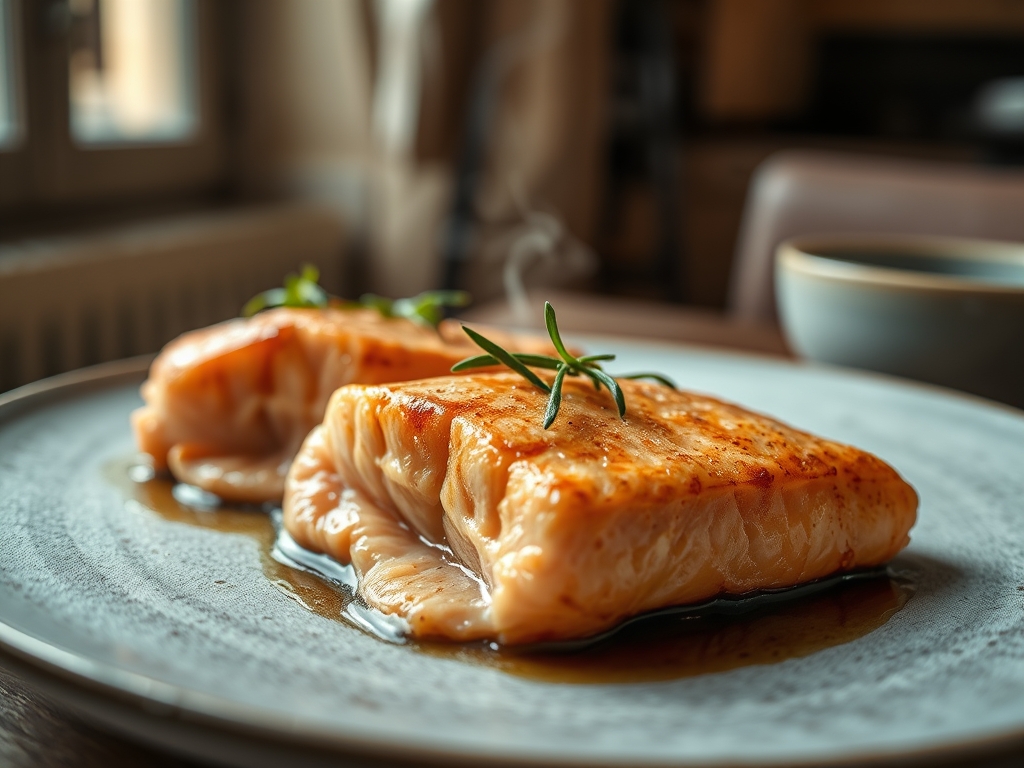
Imagine the scent of cold Atlantic salt spray meeting the sizzle of a heavy bottomed skillet. That is the initial rush of working with deep sea pink salmon recipes; it is a delicate dance between the wild, frigid depths and the precision of your kitchen. This specific species is the lighter, more elegant cousin of the heavy King salmon, offering a subtle sweetness that demands respect and a scientific touch. We are not just making dinner; we are engineering a masterpiece of texture and flavor that shatters the myth of dry, uninspired fish.
The beauty of deep sea pink salmon recipes lies in the lean protein structure. Because these fish navigate vast distances, their muscle fibers are fine and tight. If you treat them like a fatty steak, you lose the game. We are going for a glass like skin and a translucent, flaking interior that melts on the tongue. Grab your favorite apron and clear the counter. We are about to dive into the molecular mechanics of the perfect sear, the chemistry of citrus, and the secrets that professional chefs use to keep salmon succulent every single time. It is time to elevate your home cooking to a five star standard.
The Gathers:
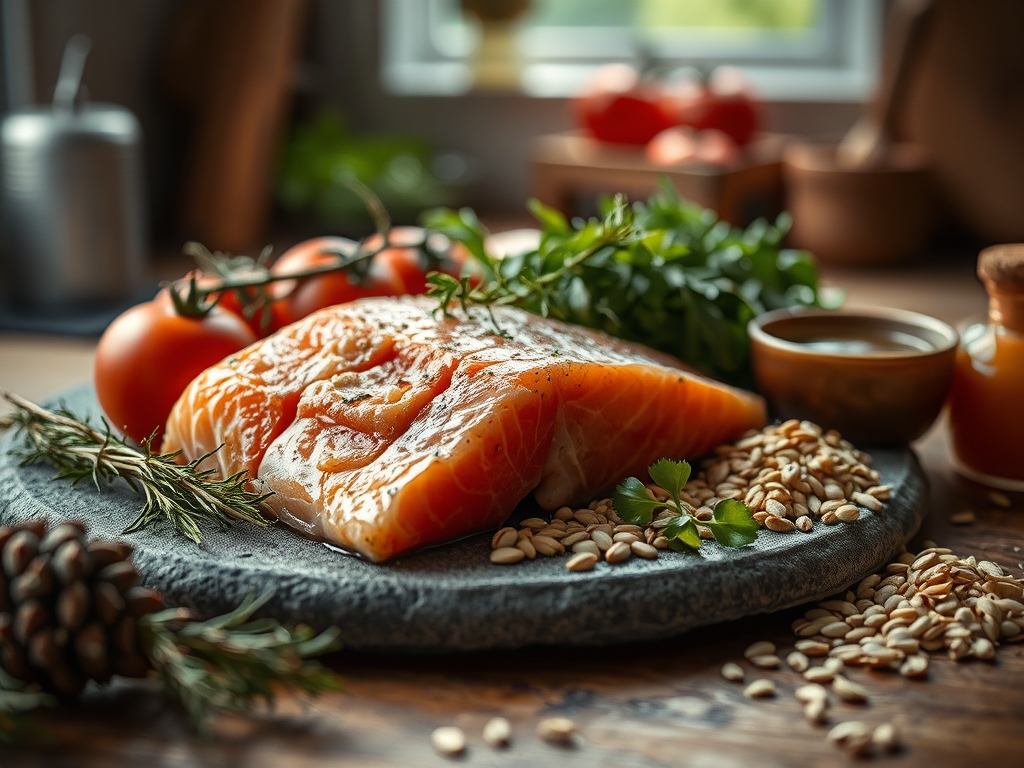
Before we ignite the flame, your mise en place must be impeccable. You will need roughly 1.5 pounds of wild caught pink salmon, preferably skin on to act as a thermal barrier. For the fat, skip the cheap oils; we are using high smoke point avocado oil or clarified butter (ghee) to achieve a viscous coating that won't burn. You will also need kosher salt, which has a jagged crystal structure that clings to the flesh better than table salt, and freshly cracked white peppercorns for a piquant kick that doesn't muddy the visual aesthetic of the pink flesh.
Gather your aromatics: three cloves of garlic crushed to release their essential oils, a handful of fresh thyme sprigs, and a cold knob of unsalted butter for the final basting phase. You will also need a bright acid, like a Meyer lemon or a splash of dry white wine, to deglaze the pan later. For equipment, reach for your digital scale to ensure portion consistency and a flexible fish spatula (a "fish turner") which is thin enough to slide under the delicate skin without tearing the collagen.
Smart Substitutions: If you cannot find fresh pink salmon, high quality frozen fillets work if thawed slowly in the refrigerator to prevent "drip loss," which is the loss of moisture as ice crystals melt. If you are dairy free, replace the butter basting step with a rich macadamia nut oil. For a sodium conscious version, swap the salt for a dusting of sumac; it provides a tart, salty illusion without the actual sodium chloride.
The Clock
Efficiency in the kitchen is about the "Chef's Flow." This is the rhythmic transition from prep to plate that prevents overcooking. Total prep time is 15 minutes, focusing primarily on moisture removal and seasoning. The cooking phase is a lightning fast 8 to 10 minutes.
The first 5 minutes of your flow involve "tempering" the fish. Taking the salmon out of the fridge too late causes the exterior to overcook while the center remains icy. Use this time to sharpen your knife and prepare your side dishes. The final 3 minutes of the clock are reserved for "carryover cooking," where the residual heat finishes the job while the fish rests on a warm plate.
The Masterclass
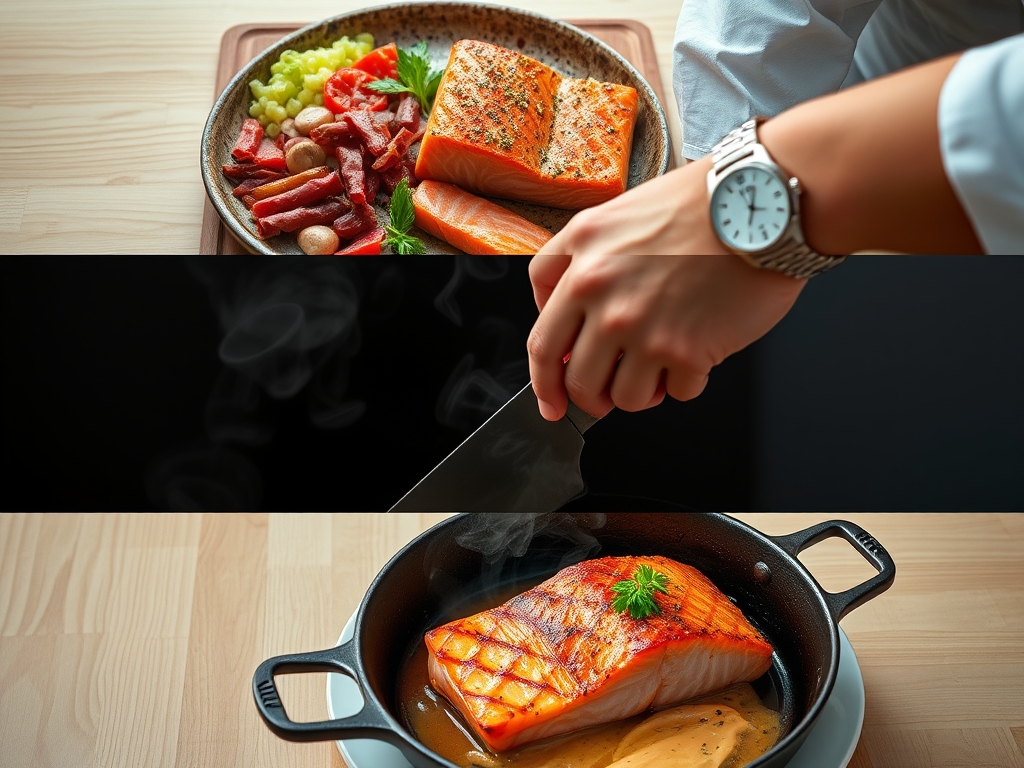
1. The Desiccation Ritual
The enemy of a crispy crust is moisture. Use a lint free paper towel to pat the salmon bone dry on all sides. If the skin feels tacky, keep dabbing. A dry surface allows the Maillard reaction to begin instantly rather than wasting energy evaporating surface water.
Pro Tip: This is the science of "surface tension." By removing water, you allow the oil to make direct contact with the skin's proteins, leading to immediate crisping rather than steaming.
2. Precision Seasoning
Season only the flesh side initially. Use your fingers to sprinkle salt from about twelve inches above the fish to ensure even distribution. Do not salt the skin until the very last second before it hits the pan; salt draws out moisture via osmosis, which would make the skin soggy.
Pro Tip: Salt denatures the proteins on the surface, creating a "protein mesh" that traps juices inside during the high heat sear.
3. Thermal Contact
Heat your heavy bottomed skillet over medium high heat until the oil shimmers. Place the salmon skin side down, pressing firmly with your fish spatula for 10 seconds. This prevents the skin from curling as the collagen fibers contract.
Pro Tip: This initial pressure ensures maximum "thermal conductivity." Without it, the skin curls and only the edges get crispy while the center remains flabby.
4. The Render Phase
Lower the heat slightly. Let the salmon sit undisturbed for about 80 percent of the total cooking time on the skin side. You will see the color change creep up the side of the fillet. This renders the fat beneath the skin, making it paper thin and crunchy.
Pro Tip: This is "unidirectional cooking." By cooking mostly from the bottom, you protect the delicate fats in the meat from oxidizing and turning fishy.
5. The Butter Baste
Flip the fish gently. Add your cold butter, garlic, and thyme to the pan. As the butter foams, tilt the pan and use a large spoon to continuously pour the hot, flavored fat over the salmon. This infuses the meat with aromatics while finishing the top gently.
Pro Tip: The foaming of butter indicates water evaporation. Once the foam subsides, the milk solids begin to brown, creating a nutty flavor profile known as "beurre noisette."
6. The Rest and Carryover
Remove the salmon when the internal temperature hits 125 degrees Fahrenheit. Place it on a wire rack, not a flat plate, to allow air to circulate. Let it rest for 3 minutes.
Pro Tip: This allows for "thermal equilibration." The heat from the exterior moves toward the cooler center, bringing the final temperature to a perfect 130 to 135 degrees without further cooking.
The Deep Dive
Deep sea pink salmon is a nutritional powerhouse, boasting high levels of Omega 3 fatty acids and Selenium. A standard 6 ounce portion contains roughly 34 grams of protein and only 6 grams of fat, making it a lean choice for those tracking macros.
Dietary Swaps: For a Keto version, serve this with a heavy lemon butter sauce (hollandaise). For a Vegan "alternative" using this technique, use thick slabs of king oyster mushrooms, which have a similar protein density when seared. If you are Gluten Free, simply ensure your spices aren't bulked with flour.
The Fix-It:
- White Stuff Leaking? That is albumin. It happens when heat is too high, forcing protein to the surface. Lower your flame next time.
- Skin Sticking? You likely tried to flip it too early. The fish will naturally "release" from the pan once the crust has formed.
- Fishy Smell? This is caused by Trimethylamine (TMA). Neutralize it by soaking the raw fish in milk for 10 minutes before cooking; the casein binds to the TMA.
Meal Prep: To reheat without losing quality, avoid the microwave. Use a "low and slow" oven method at 275 degrees with a splash of water in the pan, covered in foil. This creates a mini steam chamber that rehydrates the fibers.
The Wrap-Up
Mastering deep sea pink salmon recipes is about embracing the physics of the kitchen. When you understand how heat moves through a fillet and why moisture is the enemy of flavor, you stop following recipes and start creating experiences. This dish is vibrant, sophisticated, and surprisingly simple once you respect the science. Now, go grab that skillet and show that salmon who is boss.
The Kitchen Table
How do I know when the salmon is done?
Use a digital thermometer to reach 125 degrees Fahrenheit. Alternatively, press the flesh; if it flakes easily along the natural white lines (myocommata), it is ready to rest.
Why is my salmon skin always soggy?
You likely didn't dry the skin enough or crowded the pan. Moisture creates steam, and steam prevents the Maillard reaction. Use a paper towel and give each fillet space to breathe.
Can I cook pink salmon from frozen?
It is possible but not recommended for high heat searing. The exterior will overcook before the center thaws. For best results, thaw overnight in the refrigerator to maintain cellular integrity.
What is the best oil for searing salmon?
Use an oil with a high smoke point like avocado or grapeseed oil. These oils can withstand the 400 degree temperatures required for a crispy crust without breaking down or tasting bitter.