
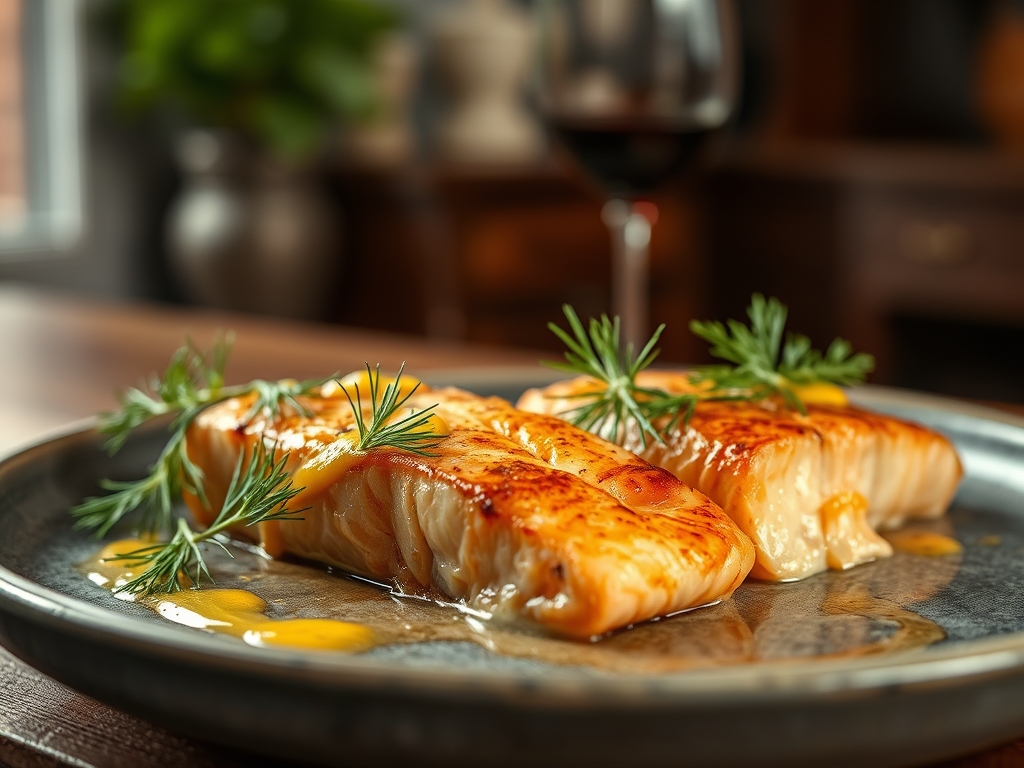
Picture a heavy-bottomed skillet sizzling as a cold fillet hits the hot oil. The sound is sharp and immediate. Within seconds, the air fills with the piquant scent of stone-ground mustard and the bright, grassy perfume of fresh herbs. Mastering salmon recipes with dill and mustard is about more than just dinner; it is about the chemistry of flavor.
The magic happens when the sharp acidity of the mustard meets the fatty richness of the fish. This combination creates a balanced profile that cuts through the omega-3 oils, while the dill provides a floral finish that lingers on the palate. Whether you are searing, roasting, or poaching, this flavor profile is the gold standard for seafood lovers. We are not just cooking; we are engineering a sensory experience that relies on high-quality ingredients and precise technique. From the snap of the mustard seeds to the delicate fronds of the dill, every element serves a structural purpose in the final dish. Let us dive into the mechanics of these six zesty glazes that will transform your kitchen into a high-end bistro.
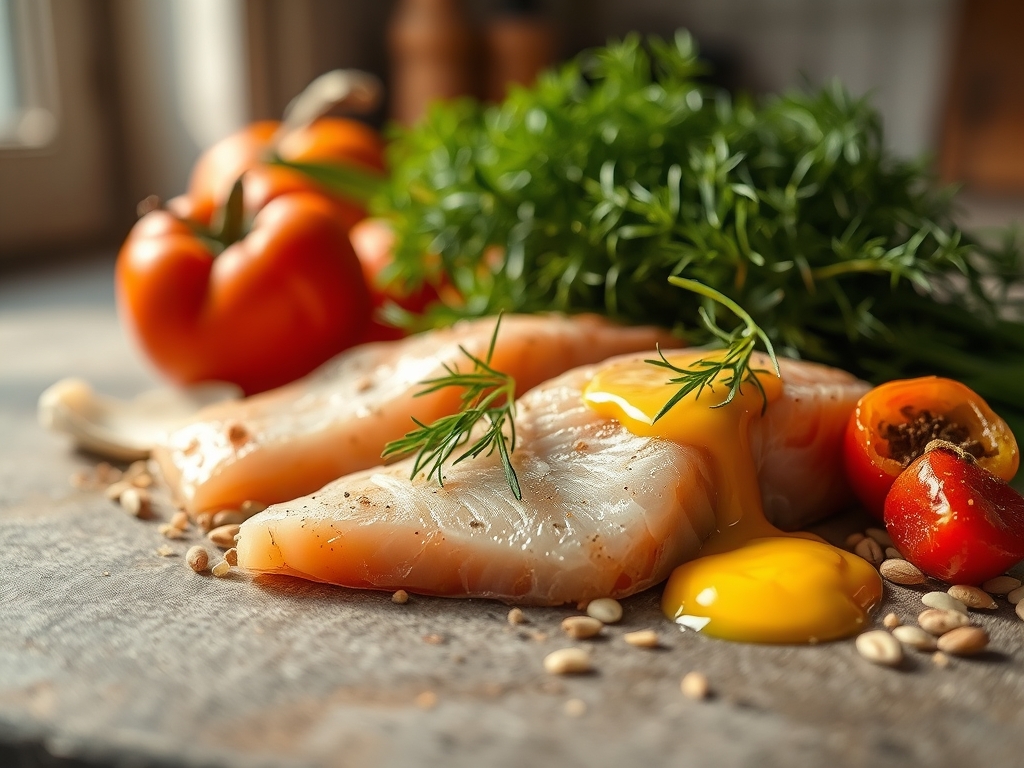
The Gathers:
To achieve professional results, your mise-en-place must be impeccable. Start with your salmon. Look for fillets with high fat marbling; this ensures the meat remains succulent during the high-heat application. You will need a variety of mustards: Dijon for its smooth emulsification properties, and whole-grain for its viscous texture and pop. Fresh dill is non-negotiable. Dried dill loses the volatile oils that provide that signature citrus-anise aroma.
Your pantry staples should include high-smoke-point oils like avocado or grapeseed, and a quality acid like fresh lemon juice or white wine vinegar to deglaze the pan. Use a digital scale to measure your glaze ingredients if you want consistent results every time. A microplane is essential for zesting lemons without hitting the bitter white pith.
Smart Substitutions:
If you are out of Dijon, a dry mustard powder mixed with a splash of water can replicate the heat, though it lacks the creamy texture. For those avoiding honey in glazes, maple syrup offers a similar viscosity and sugar content for caramelization. If fresh dill is unavailable, fennel fronds provide a similar aesthetic and a subtle licorice note that complements the mustard beautifully.
The Clock
Efficiency in the kitchen is about "Chef's Flow." This means grouping tasks to minimize downtime and tool cleanup. Prep time for these glazes is roughly 10 minutes, mostly involving fine chopping and whisking. The cooking time ranges from 8 to 12 minutes depending on the thickness of the fillet.
Total time from fridge to table is approximately 25 minutes. To maintain flow, whisk your glaze in a small saucier while the oven preheats. Pat your salmon dry with paper towels immediately before cooking to ensure the surface is free of moisture, which is the enemy of a perfect sear.
The Masterclass
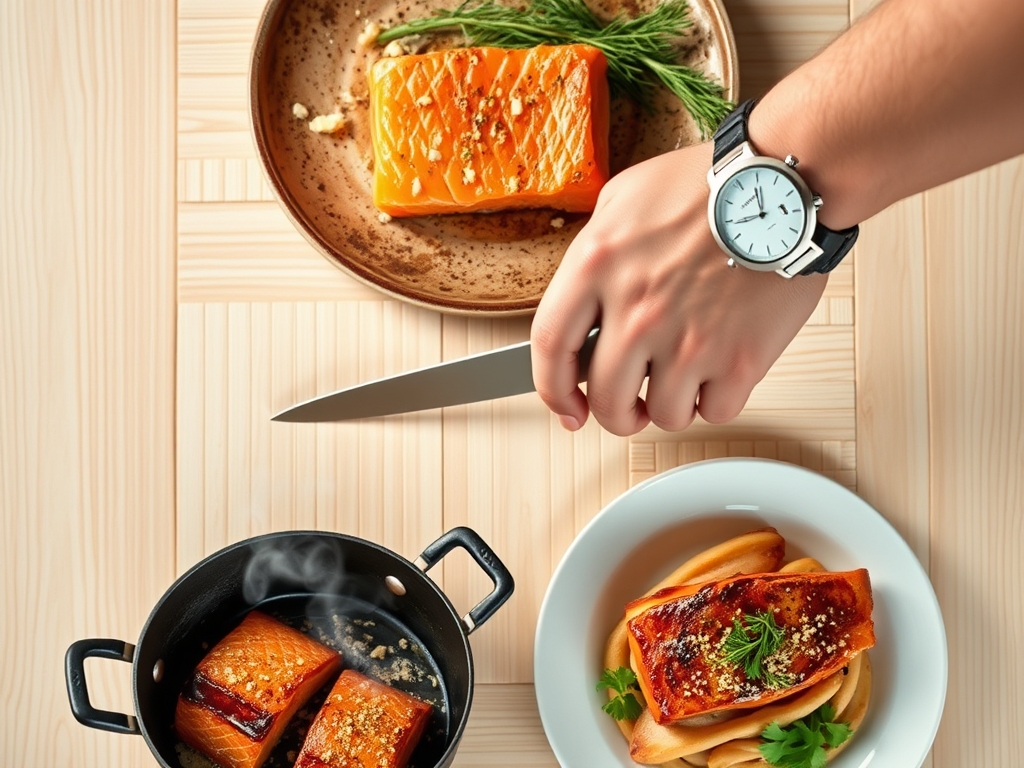
1. The Classic Dijon & Dill Emulsion
Whisk together Dijon, lemon juice, and finely chopped dill until the mixture is thick and pale. This creates a stable emulsion that will coat the fish without sliding off into the pan.
Pro Tip: Mustard contains natural mucilage that acts as a stabilizer. This allows the fat and acid to bond, ensuring the glaze stays intact under heat rather than breaking into an oily mess.
2. The Honey-Grain Char
Combine whole-grain mustard with honey and a pinch of smoked paprika. Apply this generously to the top of the fillet before placing it under the broiler.
Pro Tip: This glaze relies on the Maillard reaction. The sugars in the honey react with the proteins in the fish to create a complex, savory crust that is impossible to achieve with acid alone.
3. The Creamy Dill & Caper Infusion
Fold Greek yogurt or creme fraiche with Dijon, capers, and dill. This is best applied after the salmon has finished cooking to preserve the delicate cultures in the dairy.
Pro Tip: Adding dairy at the end prevents curdling. The residual heat of the fish is enough to infuse the sauce with flavor without breaking the proteins in the yogurt.
4. The Maple-Mustard Glaze
Mix maple syrup, stone-ground mustard, and a dash of soy sauce. Brush this on during the last three minutes of roasting.
Pro Tip: Using a silicone pastry brush allows for even distribution. Applying the glaze late prevents the high sugar content from burning before the fish reaches its internal temperature.
5. The Garlic-Dill Butter Sear
Melt butter in a heavy-bottomed skillet, add minced garlic and dill, then whisk in a spoonful of mustard. Sear the salmon skin-side down first.
Pro Tip: This method uses thermal carryover. Remove the fish when it is 5 degrees below your target temperature; the internal heat will continue to cook the center while it rests.
6. The Lemon-Dill Vinaigrette Style
A lighter option using olive oil, lemon zest, mustard powder, and fresh dill. Use this for a cold, poached salmon preparation.
Pro Tip: Mustard powder provides a "cleaner" heat that does not overwhelm the delicate flavor of cold salmon. It helps aerate the vinaigrette when whisked vigorously.
The Deep Dive
From a nutritional standpoint, salmon recipes with dill and mustard are a powerhouse. A standard 6-ounce serving provides roughly 34 grams of protein and is rich in Vitamin B12. The mustard adds negligible calories but significant flavor, making it a favorite for those tracking macros.
Dietary Swaps:
For a Keto version, swap honey for a liquid monk fruit sweetener. Vegan friends can use this exact glaze on a thick "steak" of cauliflower or firm tofu. For a Gluten-Free guarantee, always check that your mustard does not use wheat-based thickeners.
The Fix-It:
- The Glaze is Too Runny: Whisk in a half-teaspoon of mustard powder or reduce the liquid over low heat in a saucier before applying.
- The Skin is Soggy: You likely didn't dry the fish enough. Use a bench scraper to lift the fish and ensure the pan is screaming hot before contact.
- The Mustard is Too Bitter: Balance the pH with a tiny pinch of sugar or a drop of heavy cream to mellow the acidity.
Meal Prep:
To reheat without drying out the fish, use the "low and slow" method. Place the salmon in a 275-degree oven with a splash of water and cover with foil. This creates a steam chamber that restores the viscous quality of the glaze without overcooking the protein fibers.
The Wrap-Up
You now have the technical blueprint to master salmon recipes with dill and mustard. By understanding the chemistry of emulsification and the importance of thermal carryover, you are no longer just following a recipe; you are controlling the variables. Grab your tongs, fire up the range, and let the sizzle begin. Your kitchen is about to smell incredible.
The Kitchen Table
Can I use dried dill instead of fresh?
You can, but the flavor profile shifts significantly. Use one-third the amount of dried dill compared to fresh. Be aware that dried herbs lack the bright, citrus notes essential for cutting through the heavy fats in salmon.
How do I prevent the mustard glaze from burning?
Apply glazes with high sugar content, like honey or maple, during the final few minutes of cooking. Use a digital thermometer to monitor the internal temperature, ensuring the fish cooks through before the glaze reaches its burning point.
What is the best mustard for salmon?
Dijon is the professional choice for its smooth texture and sharp bite. It acts as a perfect binder for other ingredients. For added texture, a 50/50 mix of Dijon and whole-grain mustard provides the best of both worlds.
How long does fresh salmon last in the fridge?
Raw salmon should be cooked within 1 to 2 days of purchase. Once cooked with a dill and mustard glaze, it stays fresh in an airtight container for up to 3 days. Always smell for freshness before reheating.