
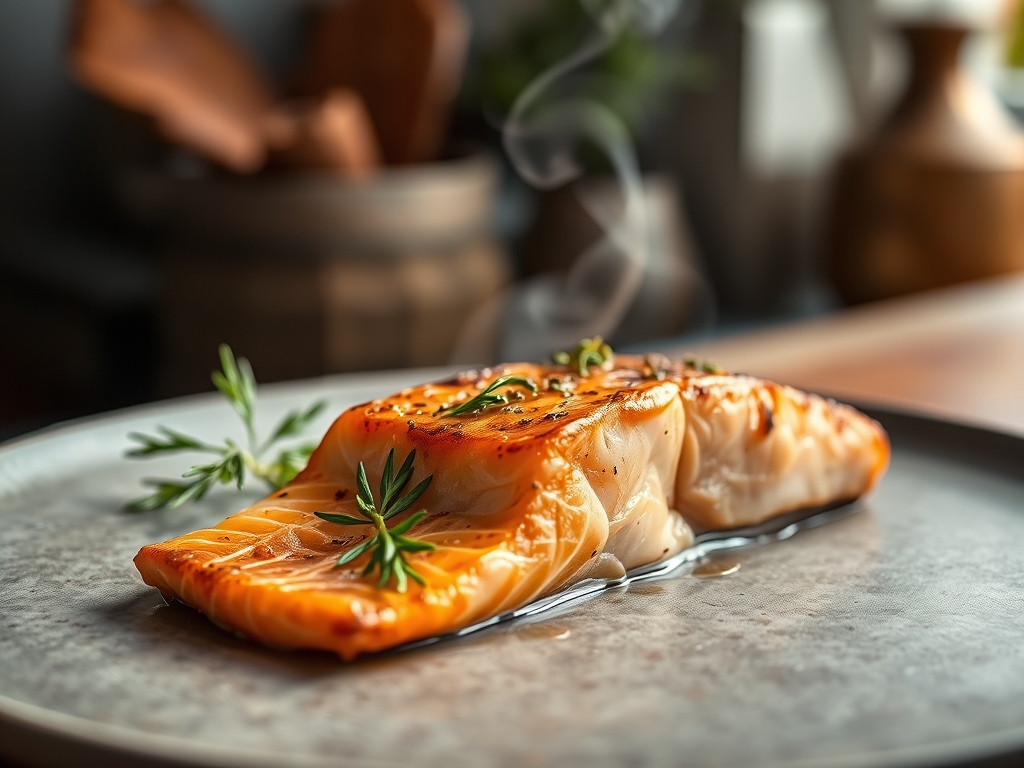
Close your eyes and imagine the scent of a cedar grove meeting a salt-sprayed coastline right in your kitchen. We are moving beyond the basic sheet-pan dinner and entering the realm of high-fidelity flavor. Mastering oven smoked salmon recipes is not just about heat; it is about the precise manipulation of proteins and the strategic infusion of wood-fire essence without needing a backyard rig. You want that buttery, translucent center paired with a lacquered, smoky crust that shatters under a fork. We are going to use a combination of liquid smoke, high-quality salts, and controlled thermal environments to achieve a result that rivals any professional smokehouse. This is culinary alchemy for the modern host who values both time and technical perfection. We are not just cooking fish; we are engineering a sensory experience that lingers. By the time we are done, you will understand the molecular dance of lipids and smoke molecules that makes this dish a permanent resident in your weekly rotation.
The Gathers:
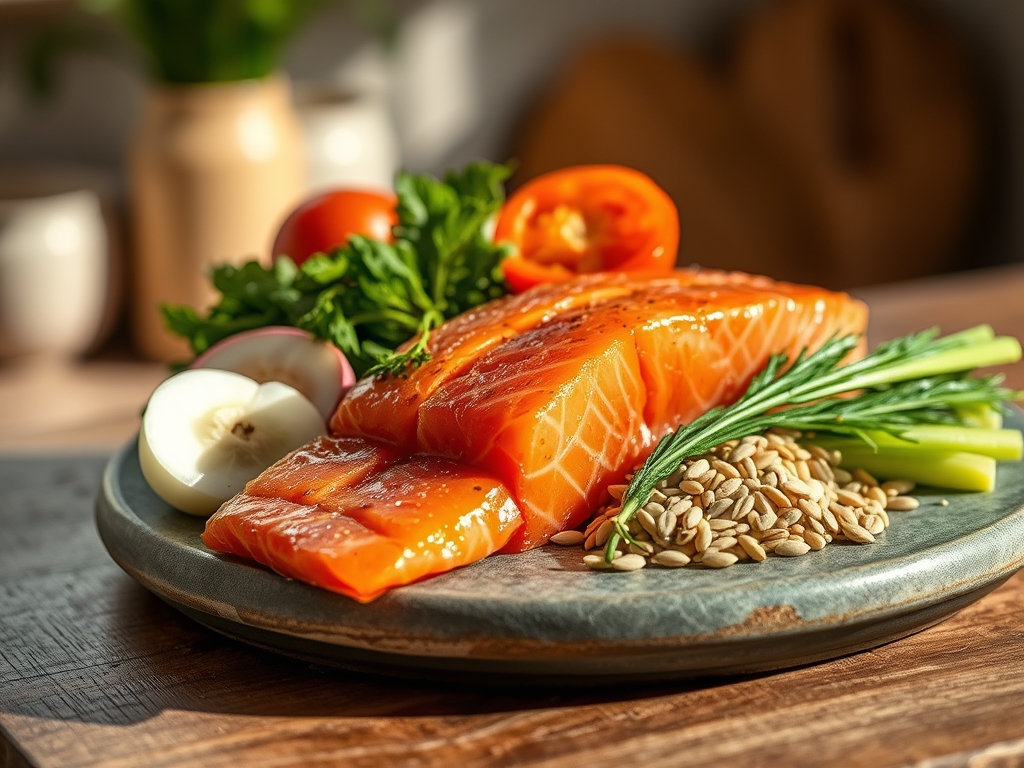
To begin, you need a high-quality side of salmon, preferably center-cut for uniform thickness. From a scientific perspective, we are looking for high intermuscular fat content, often found in King or Atlantic varieties, to ensure the flesh remains viscous and moist during the dehydration phase of smoking. You will need a digital scale to measure your dry brine precisely. A ratio of two parts brown sugar to one part kosher salt is the gold standard for osmotic pressure.
Your mise-en-place should include a microplane for zesting citrus, which adds a piquant lift to the heavy fats. You will also need high-quality liquid smoke (look for hickory or applewood) and a neutral oil with a high smoke point, like avocado oil. For the "Smart Substitutions," if you are avoiding refined sugar, coconut sugar offers a similar molasses-like depth. If you do not have a wire rack, a bed of sliced lemons can elevate the fish to allow for 360-degree heat circulation, though the rack is superior for aeration.
The Clock
Efficiency in the kitchen is about "Chef's Flow," which means aligning your tasks so there is zero dead time. Total active preparation takes exactly 15 minutes, but the passive time is where the magic happens. You must factor in a 30-minute dry brine to denature the surface proteins. The actual roasting time fluctuates between 20 and 30 minutes depending on the thickness of the fillet. Finally, a 10-minute rest is non-negotiable. This allows for thermal carryover, where the internal temperature rises slightly while the juices redistribute, preventing a dry, chalky texture.
The Masterclass
1. The Osmotic Prep
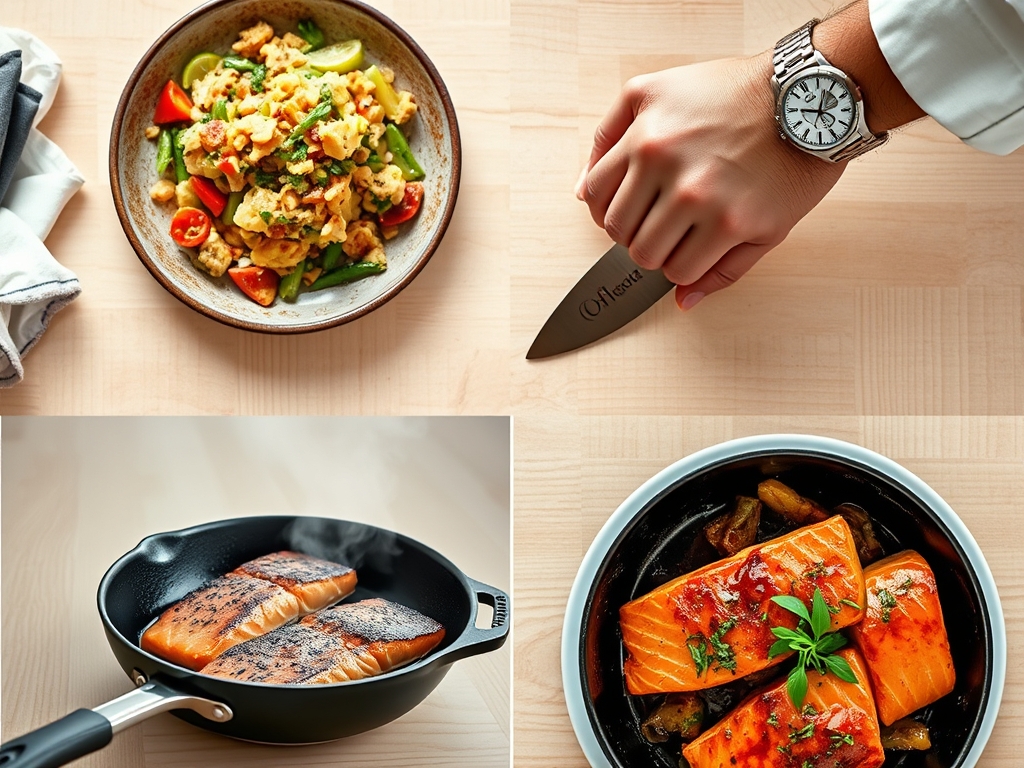
Start by patting the salmon bone-dry with paper towels. Use a bench scraper to clear your workspace before applying a generous layer of your salt and sugar mixture. This process draws out excess moisture, concentrating the flavor and firming up the flesh.
Pro Tip: This is the "Pelicle Formation" stage. By removing surface moisture, you create a tacky layer that allows smoke molecules to adhere more effectively to the protein.
2. The Smoke Infusion
Mix your liquid smoke with a small amount of maple syrup or honey in a saucier. Brush this glaze over the fish after the brine has been rinsed off and the fish dried again. This creates a sticky substrate for the next layer of flavor.
Pro Tip: The sugars in the glaze undergo the Maillard reaction, a chemical reaction between amino acids and reducing sugars that gives browned food its distinctive flavor.
3. The Low and Slow Roast
Set your oven to a low 275 degrees Fahrenheit. Place the salmon on a wire rack set over a baking sheet. This ensures the bottom does not "stew" in its own juices but rather dries and firms up.
Pro Tip: Cooking at a low temperature prevents the albumin (the white protein) from squeezing out of the muscle fibers, keeping the fillet looking clean and professional.
4. The Torch Finish
If you have a kitchen torch, give the surface a quick pass once it reaches an internal temperature of 125 degrees. Alternatively, use the broiler for exactly 90 seconds to caramelize the glaze.
Pro Tip: This rapid heat application triggers enzymatic browning, adding a complex, toasted aroma that balances the deep smoke.
The Deep Dive
Nutritionally, this dish is a powerhouse of Omega-3 fatty acids and high-quality protein. One six-ounce serving provides roughly 34 grams of protein and a significant dose of Vitamin B12. For my Keto friends, simply swap the brown sugar in the brine for an erythritol-based sweetener; the osmotic effect remains largely the same. Vegans can apply this exact smoking technique to thick slabs of "King Trumpet" mushrooms or extra-firm tofu to mimic the texture.
The Fix-It:
- White Gunk (Albumin): If you see white spots, your oven is too hot. Lower the temp immediately and use a digital thermometer to check the center.
- Soggy Bottom: This happens if the fish sits in liquid. Always use a rack to ensure convection allows air to move under the fillet.
- Overly Salty: You likely left the brine on too long. Stick to the 30-minute window for a standard one-inch fillet.
Meal Prep: To reheat without losing that "day-one" quality, avoid the microwave. Use a heavy-bottomed skillet on low heat with a teaspoon of water and a lid. This creates a gentle steam environment that rehydrates the fats without overcooking the core.
The Wrap-Up
You are now officially armed with the technical prowess to turn a standard grocery store fillet into a smokehouse masterpiece. Remember, great cooking is 20 percent recipe and 80 percent understanding how heat and salt interact with your ingredients. Use your tongs with confidence, keep your microplane sharp, and never skip the rest period. Whether you are serving this at a brunch or a high-stakes dinner party, the depth of flavor you have engineered will be the star of the show. Now, go forth and get smoky.
The Kitchen Table
Can I use frozen salmon for this recipe?
Yes, but ensure it is completely thawed and patted dry. Excess moisture from ice crystals can interfere with the pelicle formation, leading to a steamed rather than smoked texture. Always thaw in the refrigerator for the best structural integrity.
What is the best wood flavor for salmon?
Alder and fruitwoods like apple or cherry are traditional. They offer a mild, sweet smoke profile that does not overwhelm the delicate fats of the fish. Hickory is bolder and should be used sparingly to avoid a bitter aftertaste.
How do I know when the salmon is done?
Use a digital probe to hit 125-130 degrees Fahrenheit for a medium-rare finish. The flesh should be opaque and flake easily when pressed with a fork. Remember that thermal carryover will increase the temperature during the rest.
Why is my salmon dry even at the right temp?
You likely skipped the brine or the fat content of the fish was too low. Wild Sockeye is leaner than Atlantic salmon and requires a shorter cooking time and a more aggressive glaze to maintain its moisture levels.
Can I make this in an air fryer?
You can, but reduce the temperature to 300 degrees and check it much earlier. The high-velocity fan in an air fryer speeds up evaporation, which can dry out the exterior before the interior reaches the perfect temperature.