
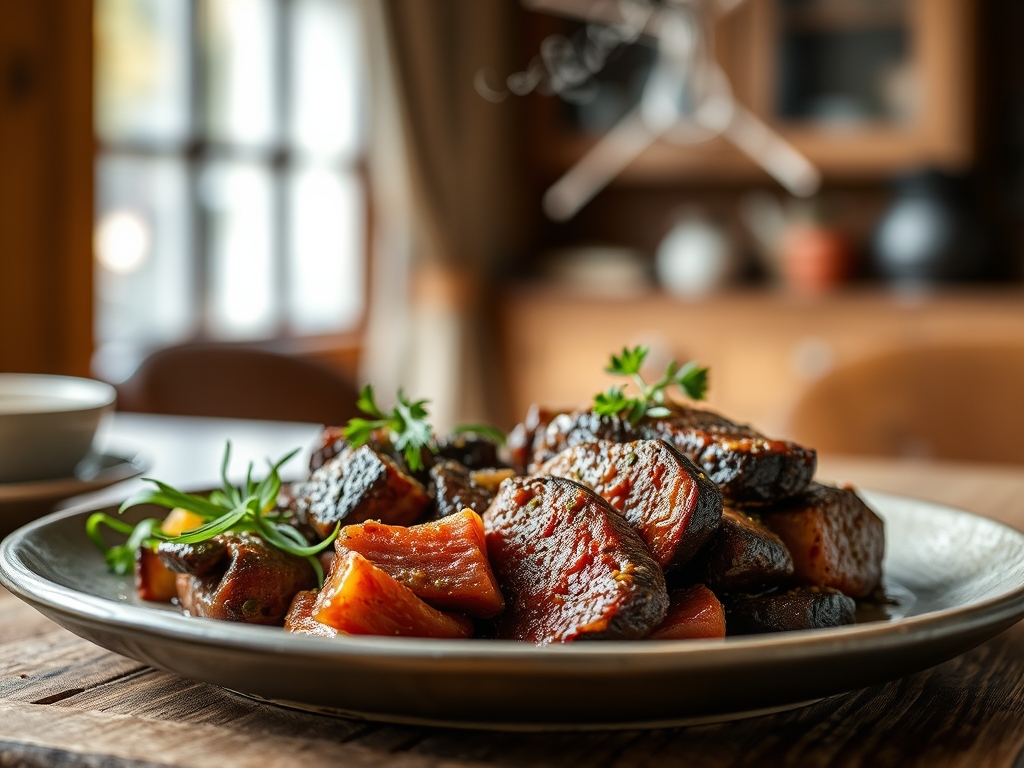
Imagine the scent of woodsmoke mingling with the sharp, piquant aroma of cracked black pepper and the deep, earthy richness of slow-simmered marrow. That is the soul of true hunter beef recipes. It is a dish that feels like a rugged cabin retreat; it is bold, unapologetically savory, and designed to satisfy a primal hunger. Whether you are curing it for a cold-cut platter or braising it into a tender stew, the goal is always a concentrated explosion of umami. We are moving past the basic "meat and heat" approach and diving into the molecular magic that transforms a tough cut into a buttery masterpiece.
Hunter beef is more than just a meal; it is a preservation technique turned into a culinary art form. Historically, these recipes relied on heavy salting and long curing times to ensure the meat stayed edible during long treks. Today, we use those same principles to build layers of flavor that you simply cannot get from a quick sear. We are talking about deep tissue penetration of spices and the delicate dance of salt-induced protein denaturation. Grab your apron and your sharpest chef knife; we are about to turn your kitchen into a high-end smokehouse.
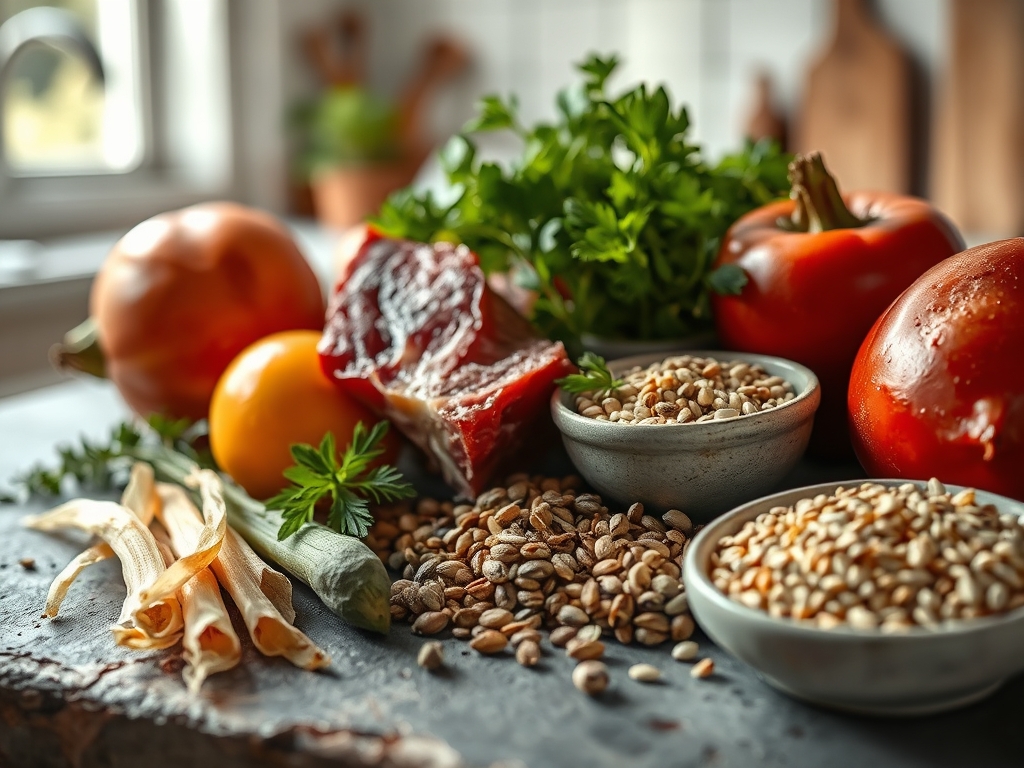
The Gathers:
To master hunter beef recipes, your mise-en-place must be precise. Start with a five-pound eye of round or brisket. You want a cut with tight muscle fibers that can withstand a long cure without disintegrating. On your digital scale, measure out your curing salts and sugar. The sugar is not just for sweetness; it acts as a humectant to keep the beef moist. You will need a heavy-bottomed skillet for dry-toasting your spices: whole black peppercorns, cloves, and cinnamon sticks. Toasting initiates the release of volatile oils, making the flavor profile significantly more viscous and intense.
Freshness is non-negotiable here. Use a microplane to zest fresh ginger and garlic into a paste. This creates more surface area for the enzymatic breakdown of the meat's exterior. You will also need high-quality vinegar, which provides the necessary acidity to balance the heavy fats.
Smart Substitutions:
If you cannot find eye of round, a bottom round roast works beautifully. For a sugar-free version, monk fruit sweetener provides the same osmotic pressure without the glucose spike. If you lack a smoker, a teaspoon of high-quality liquid smoke or smoked paprika can mimic that wood-fired depth.
The Clock
Efficiency in the kitchen is all about the "Chef's Flow." For hunter beef recipes, time is your most active ingredient. The active prep time is roughly 45 minutes; this includes trimming the silverskin with a flexible boning knife and prepping the spice rub. However, the passive time is where the magic happens. You are looking at a 3 to 5 day curing window in the refrigerator.
During this time, the salt travels to the center of the meat via osmosis. Once cured, the cooking process takes about 3 to 4 hours of low-and-slow simmering or roasting. Do not rush this. If you try to boil the beef to save time, the muscle fibers will contract violently, squeezing out all the moisture and leaving you with a literal shoe leather texture. Plan to start this project on a Tuesday if you want the ultimate Sunday feast.
The Masterclass
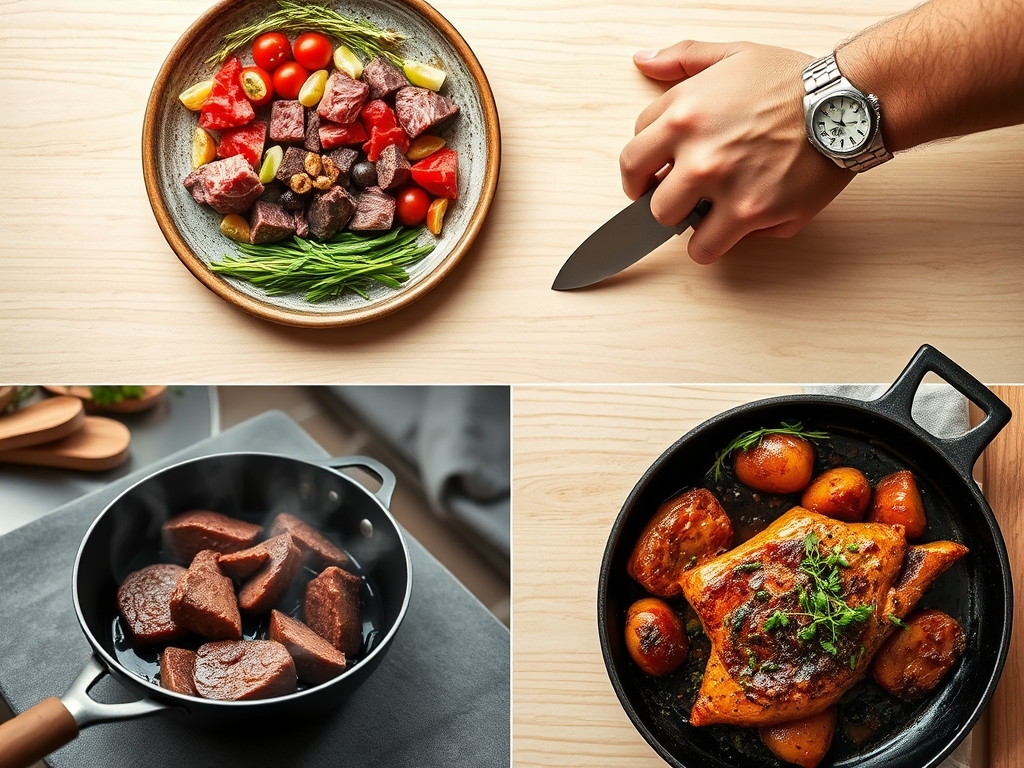
1. The Deep Clean and Trim
Use a sharp boning knife to remove every scrap of silverskin. Silverskin is made of elastin, which does not break down during cooking and will make your beef chewy. Pro Tip: Removing this connective tissue allows the brine to penetrate the muscle fibers directly, ensuring the osmotic flow is not blocked by a waterproof barrier.
2. The Spice Infusion
Toast your whole spices in a saucier until they become fragrant, then crush them coarsely. Rub the mixture vigorously into the meat. Use your hands to massage the spices into every crevice. Pro Tip: Crushing spices just before use prevents the oxidation of essential oils, ensuring a piquant punch that pre-ground spices simply cannot match.
3. The Cold Cure
Place the beef in a non-reactive glass container or a heavy-duty vacuum seal bag. Let it sit in the back of the fridge, turning it once every 24 hours. Pro Tip: This period allows for protein denaturation, where the salt unravels the tightly wound meat proteins, effectively "pre-tenderizing" the beef before it ever hits the heat.
4. The Gentle Braise
Submerge the cured beef in a pot with aromatics and enough water to cover it. Bring it to a bare simmer; never a rolling boil. Use a digital thermometer to track the internal temperature. Pro Tip: Keeping the water at a sub-simmer (around 190 degrees Fahrenheit) prevents the collagen from shrinking too quickly, which preserves the succulent mouthfeel.
5. The Pressing Phase
Once cooked, wrap the beef in foil and place a heavy weight on top (like a cast iron skillet) while it cools. Pro Tip: Pressing the meat while it undergoes thermal carryover compacts the fibers, creating that signature dense, sliceable texture perfect for thin deli-style servings.
6. The Final Sear
Before serving, give the exterior a quick sear in a hot skillet with a touch of tallow. Pro Tip: This triggers the Maillard reaction, creating hundreds of new flavor compounds on the surface that contrast beautifully with the tender interior.
7. The Resting Period
Let the meat rest for at least 20 minutes before slicing. Pro Tip: Resting allows the internal juices to redistribute. If you cut too soon, the liquid will flood the board, leaving the meat dry and fibrous.
8. The Precision Slice
Use a long, serrated carving knife or a meat slicer to get paper-thin ribbons. Pro Tip: Slicing against the grain breaks up the remaining muscle fibers, making even the leanest hunter beef recipes feel like they are melting on your tongue.
The Deep Dive
From a nutritional standpoint, hunter beef is a powerhouse. It is exceptionally high in bioavailable protein and iron, with a lower fat content than traditional ribeye or wagyu. Because we trim the external fat, you are getting pure, dense muscle meat.
Dietary Swaps:
- Keto: Replace the sugar in the cure with erythritol.
- Vegan: Use "Lion's Mane" mushrooms. Use the same spice rub and "press" the mushrooms in a hot pan to mimic the density of beef.
- Gluten-Free: This recipe is naturally GF, but ensure your vinegar is distilled or apple cider-based.
The Fix-It:
- Too Salty: If the meat tastes like a salt lick, soak the cured (but uncooked) beef in cold water for two hours, changing the water every 30 minutes. This leaches out excess sodium.
- Tough Texture: If it is chewy, you likely pulled it too early. Return it to the liquid and simmer for another 45 minutes until the connective tissue fully converts to gelatin.
- Grey Color: If the meat looks dull, you missed the curing salt (pink salt). While optional, it provides that classic rosy hue. Next time, ensure even distribution.
Meal Prep:
To reheat without losing quality, use a "low moisture" method. Steaming thin slices for 60 seconds is superior to microwaving. Microwaves vibrate water molecules too violently, which can turn the beef rubbery. Steaming gently rehydrates the fibers.
The Wrap-Up
Mastering hunter beef recipes is like earning your black belt in meat science. It requires patience, precision, and a bit of culinary soul. When you pull that perfectly cured, deeply spiced roast out of the pot, you aren't just looking at dinner; you are looking at days of incredible sandwiches, protein-packed salads, and the best charcuterie boards of your life. Remember, the secret is in the cure and the slow, steady heat. Now, go forth and conquer that kitchen!
The Kitchen Table
Can I make hunter beef without pink curing salt?
Yes, you can use standard sea salt. However, the meat will be brownish-grey rather than pink. The flavor remains excellent, but the shelf life will be shorter since curing salt acts as a preservative against bacteria.
What is the best way to store leftovers?
Wrap the beef tightly in plastic wrap and then foil to prevent oxidation. It stays fresh in the fridge for up to seven days. For longer storage, vacuum seal and freeze for up to three months.
Why is my hunter beef dry?
Dryness usually happens if the meat was boiled too vigorously. High heat causes muscle fibers to contract and squeeze out moisture. Always keep your cooking liquid at a gentle, lazy simmer to maintain a succulent texture.
What are the best sides for hunter beef?
Since the beef is incredibly rich and savory, pair it with acidic or bright sides. Pickled red onions, a sharp horseradish cream, or a crisp apple slaw provide the perfect structural balance to the dense, spicy meat.