
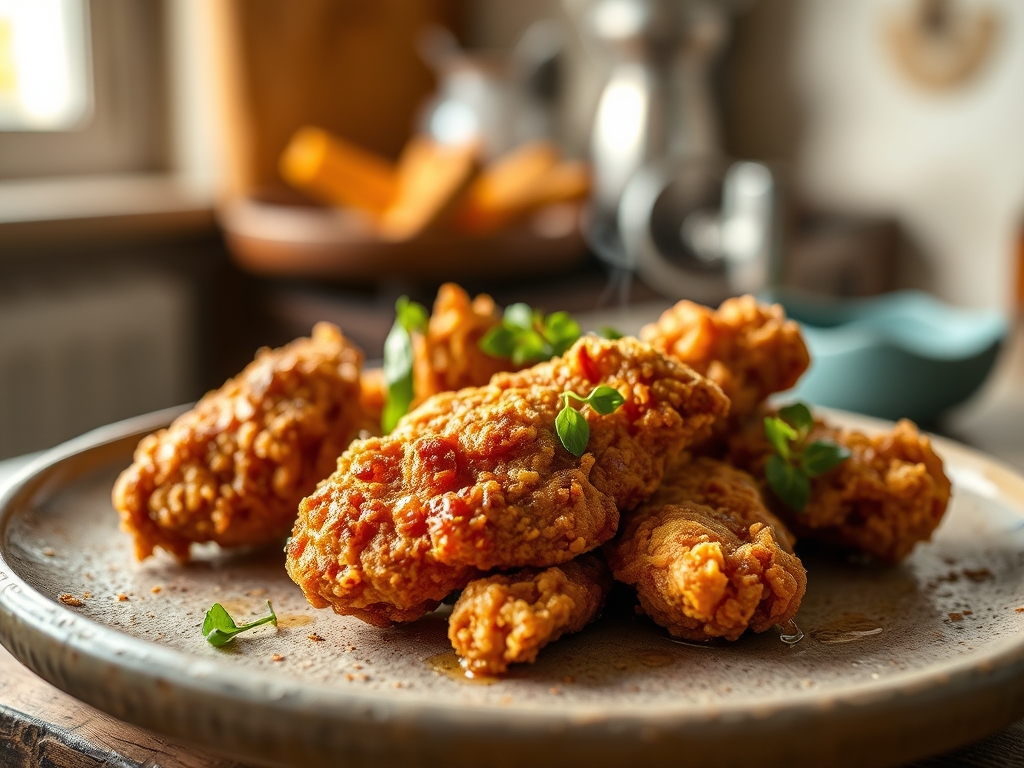
Close your eyes and listen to that sound. It is the distinct, sharp crackle of a golden crust giving way to a succulent, steam-filled center. We are not just making lunch; we are mastering the physics of dehydration and protein denaturation. When searching for extra crispy fried chicken recipes, most people settle for "good enough," but we are chasing the auditory satisfaction of a perfect glass-shatter crunch.
Achieving this requires more than just a deep fryer and a prayer. It is a calculated dance of moisture management and starch selection. To get that craggy, topographical map of golden-brown ridges, we have to manipulate the surface area of the bird. We are talking about a crust so structural it could stand up to a monsoon of hot sauce without losing its integrity. Whether you are a weekend warrior or a seasoned home cook, understanding the molecular transition from a wet batter to a rigid, aerated lattice is the difference between a soggy disappointment and a culinary trophy. Grab your apron; we are about to turn your kitchen into a high-end laboratory of flavor.
The Gathers:
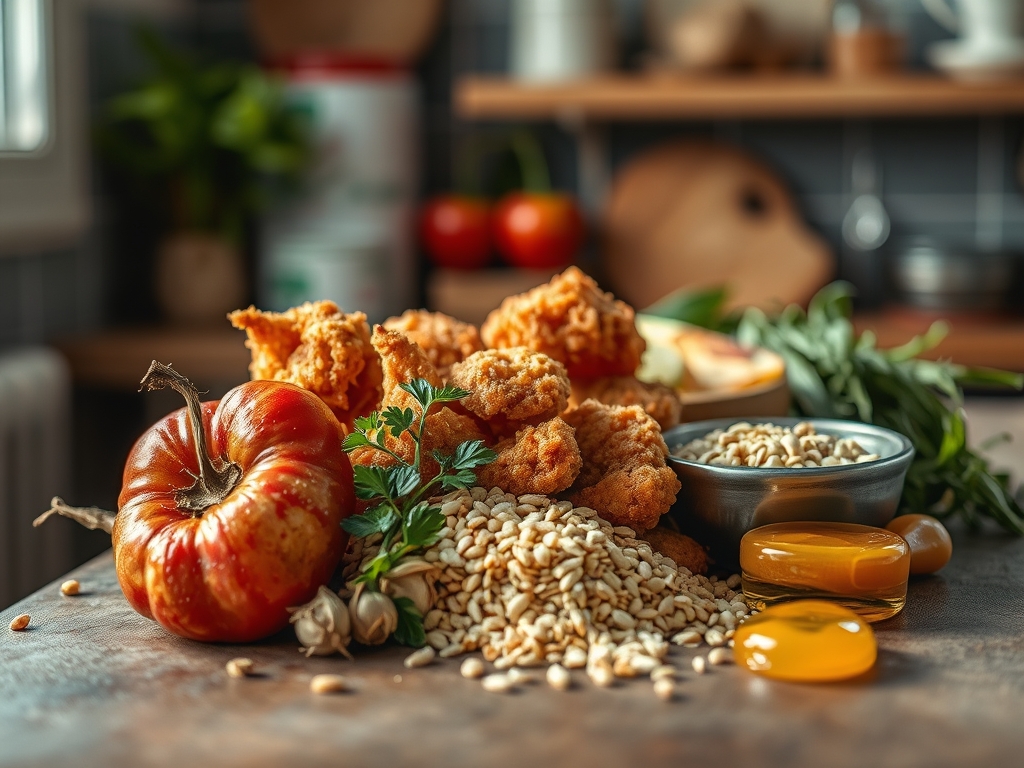
To begin, clear your workspace with a bench scraper to ensure a sterile, organized environment. Our mise-en-place is a collection of high-performance reagents. For the protein, choose bone-in, skin-on thighs; the bone acts as a thermal conductor, ensuring even heat distribution while the skin provides the essential collagen that transforms into gelatin during the initial cook.
For the dry dredge, we are not using just flour. We are utilizing a blend of all-purpose flour for structure and cornstarch for crispness. Cornstarch is a pure starch with no protein, meaning it inhibits gluten development, resulting in a more brittle, "shatter-like" texture. You will also need buttermilk, which is viscous and acidic. The lactic acid in the buttermilk acts as a mild brine, breaking down tough muscle fibers through enzymatic proteolysis.
Smart Substitutions: If you lack buttermilk, whisk whole milk with a tablespoon of lemon juice or vinegar to mimic the acidity. For a gluten-free version, swap the flour for a 1:1 ratio of rice flour and potato starch. The rice flour provides a delicate, piquant crunch that mimics the traditional wheat-based crust without the heaviness. Ensure you have a digital scale nearby; precision in your starch-to-protein ratio is the secret to consistency in all extra crispy fried chicken recipes.
The Clock
Efficiency in the kitchen is about Chef's Flow. This is the art of overlapping tasks so that no heat is wasted and no surface remains idle. Your total active prep time is 30 minutes, but the passive time is where the magic happens.
- The Brine (2 to 12 hours): This is non-negotiable. The salt must penetrate the cellular walls of the meat via osmosis.
- The Dredge (15 minutes): Allowing the coated chicken to rest for a few minutes before frying ensures the flour hydrates, preventing the crust from sloughing off in the oil.
- The Fry (12 to 15 minutes): Depending on the size of your pieces.
- The Rest (10 minutes): This allows for thermal carryover, where the internal temperature continues to rise while the juices redistribute.
The Masterclass
1. The Acidic Soak
Submerge your chicken in a seasoned buttermilk bath. Use a microplane to zest in a bit of garlic and onion for deep flavor infusion. This stage is about more than flavor; the low pH of the buttermilk begins to tenderize the meat by denaturing the surface proteins.
Pro Tip: This is known as enzymatic tenderization. The lactic acid breaks down the connective tissues, ensuring that the meat remains juicy even as the exterior reaches high temperatures.
2. The Craggy Dredge
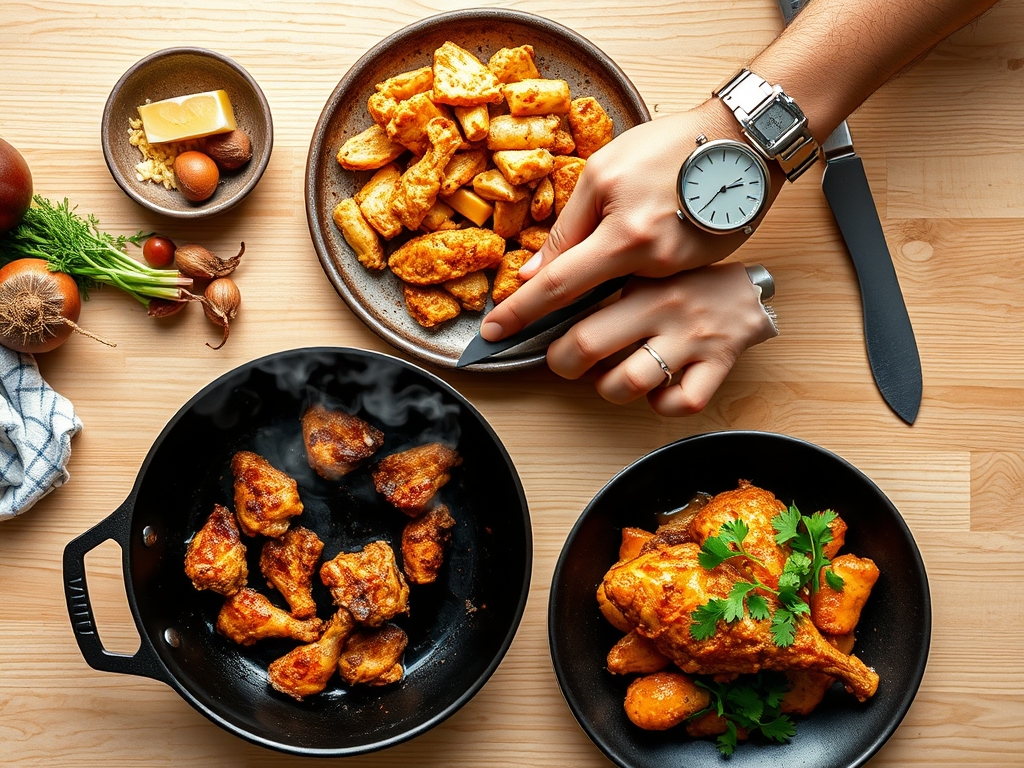
Whisk your flour, cornstarch, and spices in a shallow pan. Here is the secret: drizzle two tablespoons of the buttermilk marinade into the flour and flick it with a fork to create small clumps. When you press the chicken into this mixture, those clumps adhere, creating the "crags" you see in the photos.
Pro Tip: Increasing the surface area via these flour clumps creates more sites for the Maillard reaction to occur, leading to a more complex flavor profile and superior crunch.
3. The Temperature Spike
Heat neutral oil (like peanut or canola) in a heavy-bottomed skillet or Dutch oven to 350 degrees Fahrenheit. Use a probe thermometer to monitor the heat constantly. When you add the chicken, the temperature will drop; you need the thermal mass of a heavy pan to stabilize it.
Pro Tip: Maintaining a high temperature prevents oil absorption. If the oil is too cool, the crust becomes a sponge for fat; if it is too hot, the exterior burns before the interior reaches safety.
4. The Double Fry Technique
For the ultimate crunch, fry the chicken until it is pale gold, remove it to a wire rack for five minutes, and then drop it back into 375-degree oil for another 60 seconds. This second pass evaporates any remaining moisture in the crust.
Pro Tip: This second fry utilizes moisture migration. The rest period allows internal steam to move to the crust, which is then instantly vaporized in the hotter oil, leaving behind an ultra-dry, rigid lattice.
5. The Aerated Drain
Never rest fried chicken on paper towels. This traps steam and creates a humid micro-climate that softens the crust. Instead, use tongs to transfer the chicken to a wire cooling rack set over a baking sheet.
Pro Tip: Air circulation is vital for evaporative cooling. By allowing air to move under the chicken, you prevent the "soggy bottom" syndrome caused by trapped water vapor.
The Deep Dive
Macro Nutrition: A standard thigh prepared this way contains approximately 350 calories, 22g of fat, and 28g of protein. While it is an indulgent meal, the high protein content provides significant satiety.
Dietary Swaps: For a Keto version, use crushed pork rinds and parmesan cheese as the dredge. For Vegan "chicken," use oyster mushrooms or seitan, and swap buttermilk for soy milk mixed with apple cider vinegar. The science of the starch-to-fat ratio remains the same.
The Fix-It:
- Problem: The crust is falling off. Fix: You didn't let the dredged chicken rest. The "tackiness" developed during a 10-minute rest acts as a biological glue.
- Problem: The chicken is dark brown but raw inside. Fix: Your oil was too hot. Lower the flame and use a saucier to spoon hot oil over any pale spots.
- Problem: The crust is hard, not crispy. Fix: Too much gluten. Next time, increase the cornstarch ratio or use cake flour, which has lower protein content.
Meal Prep: To reheat and maintain "day-one" quality, avoid the microwave at all costs. Place the chicken in a 375-degree oven or air fryer for 5 minutes. This re-activates the fats and re-evaporates any moisture that migrated into the crust during refrigeration.
The Wrap-Up
You are now armed with the chemical secrets to the world's best crunch. From the enzymatic power of the buttermilk to the moisture-blasting physics of the double fry, you have graduated from a casual cook to a fried chicken technician. Remember, the kitchen is your laboratory; don't be afraid to experiment with the spice ratios in your dredge. Now, go forth and shatter some expectations.
The Kitchen Table
Why is my fried chicken not crispy?
The most common culprit is low oil temperature or overcrowding the pan. When the temperature drops, the chicken absorbs oil instead of cauterizing the exterior. Use a thermometer to ensure your oil stays between 325 and 350 degrees Fahrenheit.
What is the best oil for frying?
Use oils with a high smoke point and neutral flavor, such as peanut, canola, or grapeseed oil. These fats can withstand the 350-degree heat required for the Maillard reaction without breaking down or imparting an acrid, burnt taste to your crust.
How do I keep the breading from falling off?
After dredging the chicken in flour, let it rest on a wire rack for 10 to 15 minutes. This allows the flour to hydrate and bond with the protein, creating a structural "skin" that won't detach during the turbulent frying process.
Can I use an air fryer for this?
Yes, but spray the chicken liberally with oil. Air fryers rely on convection, so the flour needs a fat source to brown. While it won't be as rich as deep-fried versions, the cornstarch in the dredge will still provide a significant crunch.