
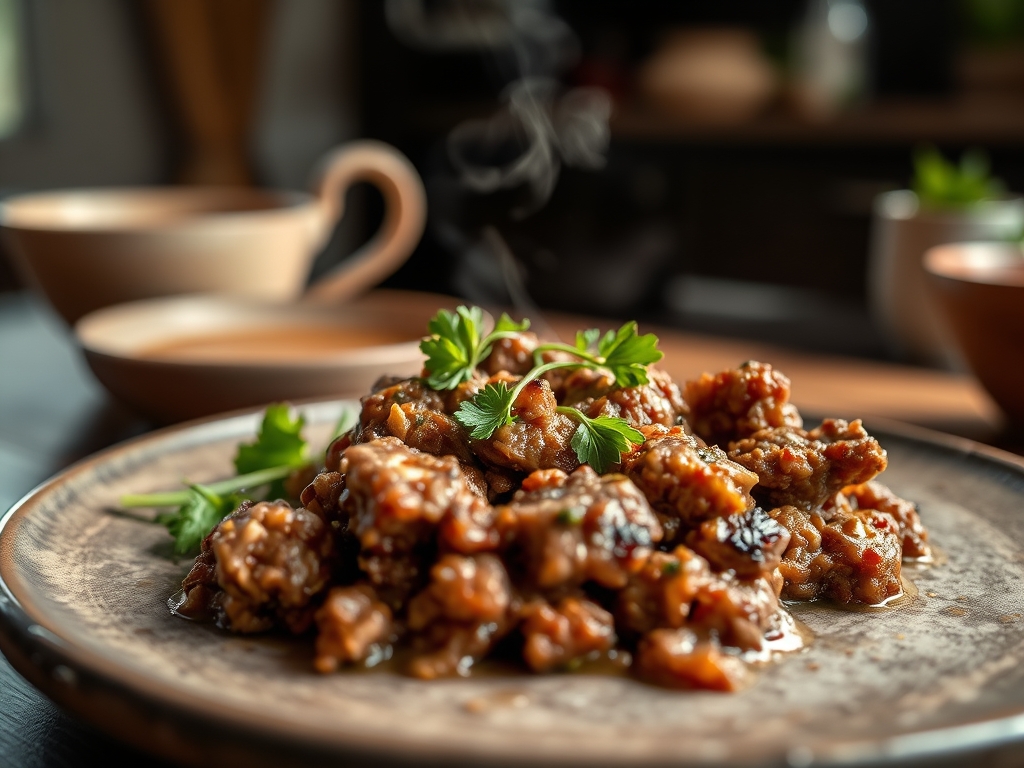
Imagine the sizzle of a heavy-bottomed skillet meeting a cold marble countertop; it is the sound of a kitchen coming alive. When you are managing blood sugar, the kitchen can sometimes feel like a place of restriction, but I am here to tell you that ground beef recipes for diabetics are actually a masterclass in flavor and satiety. We are talking about deep, savory umami that anchors your plate without the dreaded glucose spike. Ground beef is a culinary chameleon that provides high-quality protein and essential minerals like zinc and B12, making it a powerhouse for metabolic health. By focusing on lean ratios and strategic vegetable pairings, we transform a simple staple into a gourmet experience that feels indulgent yet remains entirely functional for your body.
The magic happens when we stop viewing "diet food" as a compromise and start seeing it as a series of chemical reactions. We are going to harness the power of lean proteins and fiber-rich aromatics to create meals that are as vibrant as they are stable for your insulin levels. Whether you are craving a piquant Mediterranean bowl or a comforting slow-cooked ragu, these ground beef recipes for diabetics rely on the fundamental principles of professional cooking: heat management, fat balance, and the layering of flavors. Get ready to reclaim your dinner table with recipes that prove health and hedonism can absolutely live in the same pan.
The Gathers:
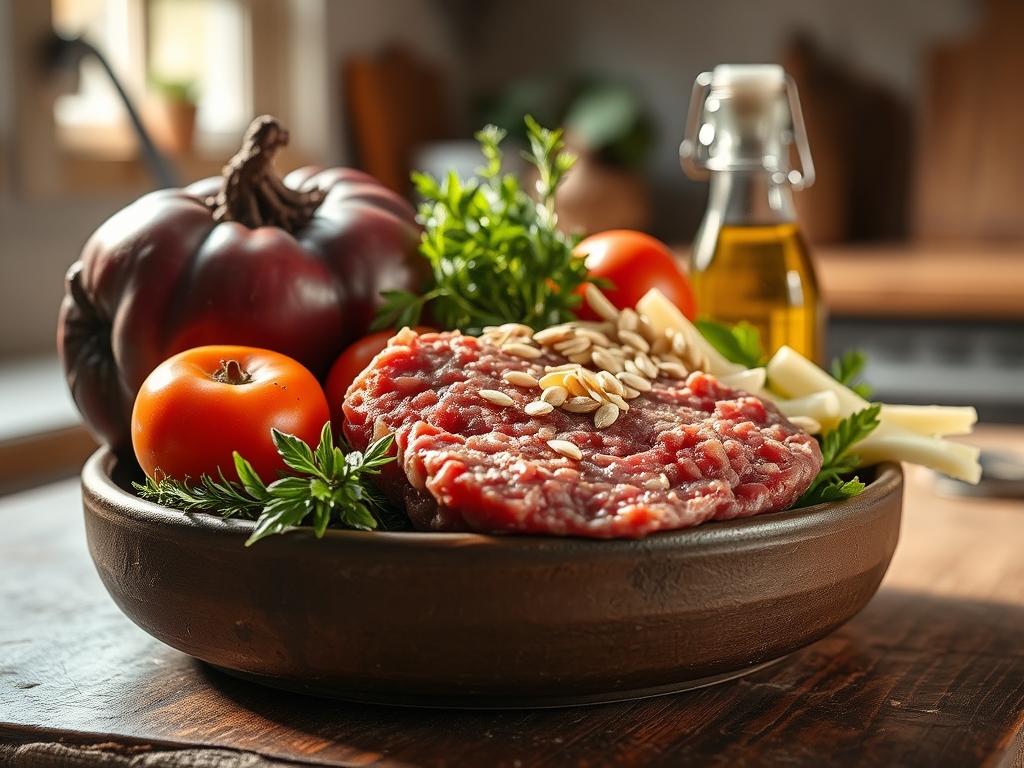
To execute these ground beef recipes for diabetics with precision, your mise-en-place must be impeccable. Start with the protein: look for a 90/10 or 93/7 lean-to-fat ratio. This ensures you have enough fat to render and carry flavor without creating an oil slick on the palate. You will need a digital scale to ensure portion accuracy, as consistency is the secret to managing glycemic loads.
Next, gather your aromatics. We are moving beyond basic onions. Think of a mirepoix on steroids: finely diced celery for crunch, bell peppers for a piquant sweetness, and plenty of fresh garlic. Use a microplane to grate ginger or turmeric directly into your base; these roots contain bioactive compounds that may assist with insulin sensitivity. For "Smart Substitutions," swap traditional breadcrumbs for almond meal or finely pulsed cauliflower. These provide the necessary structure for meatballs or meatloaf without the rapid-release carbohydrates found in wheat. Finally, keep a high-quality olive oil and a bottle of balsamic vinegar nearby to deglaze your pans and brighten the finished profile.
The Clock
Efficiency in the kitchen is about more than just speed; it is about "Chef's Flow." For most of these ground beef recipes for diabetics, you are looking at a 15-minute prep window and a 20-minute cook time. The goal is to minimize the time the meat spends at high heat to prevent the formation of advanced glycation end products, while still achieving a beautiful Maillard reaction.
The flow begins with the "Cold Start" prep. While your heavy-bottomed skillet preheats over medium-high flame, use a bench scraper to organize your chopped vegetables. By the time your pan is ready to sear, your ingredients should be lined up in order of their cooking density. Harder vegetables like carrots go in first, followed by the beef, then the delicate herbs. This staggered approach ensures that nothing is overcooked or mushy, maintaining the structural integrity and nutritional density of every component.
The Masterclass
1. The Sear and Render
Place your lean ground beef into the hot skillet. Use a sturdy set of tongs or a wooden spatula to break the meat into uniform pieces. Do not overcrowd the pan, as this causes the meat to steam in its own moisture rather than brown.
Pro Tip: This stage relies on the Maillard reaction, a chemical reaction between amino acids and reducing sugars that gives browned food its distinctive flavor. By allowing the meat to develop a crust, you create deep flavor profiles that reduce the need for added salt or sugary sauces.
2. The Aromatic Infusion
Once the beef is browned, push it to the perimeter of the pan and add your aromatics to the center. Use the small amount of fat that has rendered from the beef to sauté your onions, peppers, and garlic until they are translucent and fragrant.
Pro Tip: This is called fat-soluble flavor extraction. Many of the aromatic compounds in garlic and spices are only released when heated in a lipid medium. This technique ensures the flavor is distributed evenly throughout the entire dish.
3. The Deglaze
Pour a splash of beef bone broth or a tablespoon of red wine vinegar into the pan. Use your spatula to scrape up the brown bits stuck to the bottom. This is the "fond," and it is concentrated flavor gold.
Pro Tip: Deglazing is a thermal shock process that lifts caramelized proteins from the pan surface. These bits contain concentrated umami, which provides a rich mouthfeel without the need for high-carb thickeners like cornstarch or flour.
4. The Bulk and Fiber Boost
Fold in two cups of riced cauliflower or finely chopped spinach. These high-volume, low-calorie additions increase the portion size of your ground beef recipes for diabetics without adding significant carbohydrates.
Pro Tip: The fiber in these vegetables slows down the digestion of the meal. This results in a slower, more controlled release of glucose into the bloodstream, which is the gold standard for diabetic-friendly cooking.
5. The Acid Balance
Just before serving, squeeze fresh lemon juice or add a dash of apple cider vinegar over the beef. This cuts through the richness of the protein and brightens the entire flavor profile.
Pro Tip: Acid acts as a flavor enhancer by stimulating the salivary glands. It provides a "brightness" that can trick the palate into feeling satisfied with less salt, supporting overall cardiovascular health.
6. The Herb Finish
Turn off the heat and toss in a handful of fresh parsley, cilantro, or basil. Use the thermal carryover of the pan to wilt the herbs slightly without destroying their volatile oils.
Pro Tip: Fresh herbs are packed with antioxidants. Adding them at the very end prevents the heat from breaking down their delicate chemical structures, ensuring you get the maximum nutritional and flavor benefit.
7. The Resting Period
Transfer the beef mixture to a serving bowl and let it sit for three minutes before plating. This allows the fibers in the meat to relax and reabsorb the juices.
Pro Tip: Capillary action pulls the moisture back into the center of the meat as it cools slightly. This ensures that every bite is succulent rather than dry, which is especially important when using leaner cuts of beef.
8. The Plating and Garnish
Serve your beef over a bed of leafy greens or inside a hollowed-out bell pepper. Garnish with a sprinkle of toasted seeds or a dollop of Greek yogurt for added texture.
Pro Tip: Visual appeal triggers the "cephalic phase" of digestion. When a meal looks beautiful, your brain begins producing digestive enzymes before you even take a bite, aiding in more efficient nutrient absorption.
The Deep Dive
When we look at the macro nutrition of these ground beef recipes for diabetics, the profile is impressive. A standard serving provides roughly 25 grams of protein, 8 grams of healthy fats, and less than 5 grams of net carbs. This ratio is designed to keep you in a state of metabolic stability. For those with specific dietary needs, these recipes are incredibly flexible. To make it Vegan, substitute the beef with a mix of pulsed walnuts and mushrooms; the texture is remarkably similar and the mushrooms provide that essential umami. For Keto enthusiasts, feel free to use an 80/20 beef blend and add a slice of avocado for extra healthy fats.
Every cook faces a few hurdles, so let's look at "The Fix-It." If your beef ends up too dry, whisk a tablespoon of bone broth with a teaspoon of tahini and fold it in; the tahini creates a viscous sauce that mimics fat. If the dish is too salty, add a splash of unseasoned rice vinegar to neutralize the sodium perception. If the meat is gray instead of brown, your pan wasn't hot enough; next time, ensure the oil is shimmering before the meat hits the metal. For meal prep, remember the science of reheating. Use a saucier over low heat with a tablespoon of water to create steam, which prevents the proteins from becoming rubbery in the microwave.
The Wrap-Up
Mastering ground beef recipes for diabetics is about more than just following a list of ingredients; it is about understanding the chemistry of your food to fuel your life. By using professional tools like a digital scale and a heavy-bottomed skillet, you are taking control of your health with every sear and sauté. These meals are designed to be vibrant, filling, and, most importantly, delicious enough to share with everyone at your table. Remember, the best "diet" is the one where you never feel like you are missing out. So, grab your apron, heat up that pan, and let the science of flavor work its magic for you!
The Kitchen Table
Can I use frozen ground beef for these recipes?
Yes, but ensure it is fully thawed in the refrigerator first. Excess moisture from ice crystals will steam the meat instead of searing it, preventing the Maillard reaction and resulting in a gray, less flavorful texture.
What is the best way to store leftovers?
Store in airtight glass containers for up to four days. Glass is non-reactive and maintains the integrity of the flavors better than plastic. For the best quality, reheat gently on the stovetop with a splash of broth to retain moisture.
Why is lean beef recommended for diabetics?
While fat doesn't spike blood sugar, high saturated fat intake can impact insulin sensitivity over time. Using lean beef allows you to control the types of fats you add, such as heart-healthy monounsaturated fats from olive oil or avocados.
How do I prevent the meat from getting tough?
Avoid overworking the meat when mixing in spices. Over-handling develops the proteins too much, leading to a dense, rubbery texture. Use a light touch and stop cooking as soon as the pink color disappears to utilize thermal carryover.
Can I add beans to these beef recipes?
Yes, but monitor the portion size. Beans are high in fiber but also contain carbohydrates. Adding a small amount of black beans or lentils can increase satiety, provided you account for the extra carbs in your daily limit.