
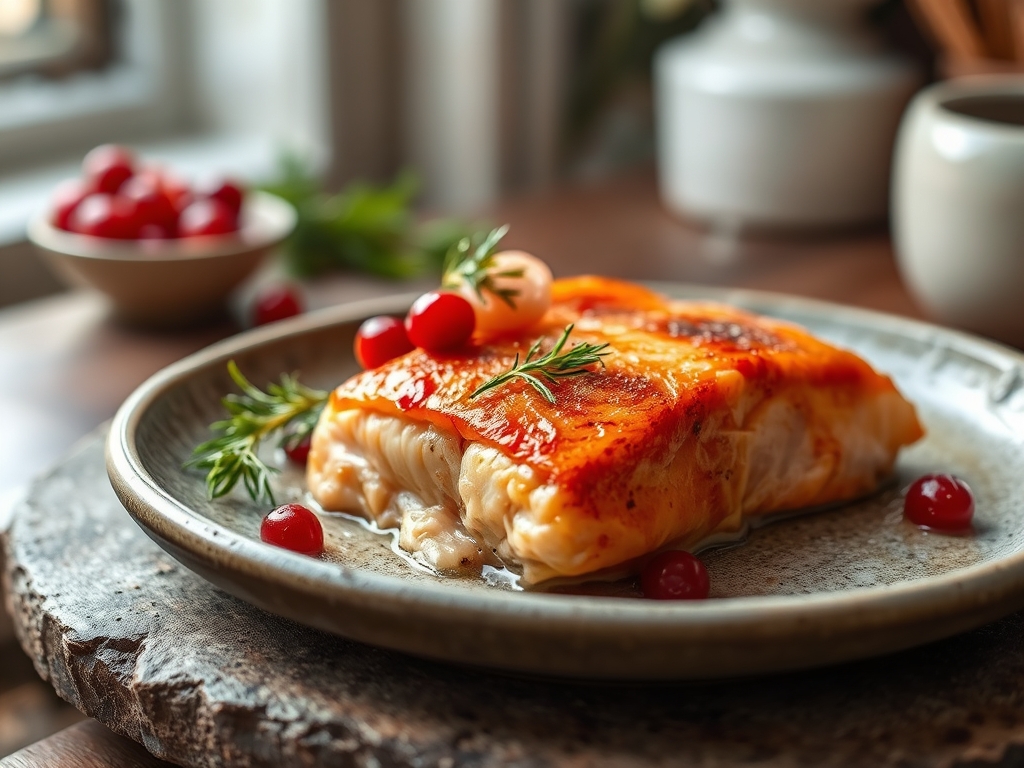
Picture this: a heavy-bottomed skillet sizzling on the stove, the air thick with the scent of woodsy rosemary and the sharp, bright pop of bursting fruit. There is a specific kind of magic that happens when you marry the fatty, buttery richness of a cold-water fillet with the acidic snap of a winter berry. When searching for cranberry salmon recipes, most people settle for a basic jam smear, but we are going for something much more sophisticated. We are aiming for a lacquered finish that shatters under the fork, revealing succulent, translucent flakes of pink perfection. This is not just a weeknight dinner; it is a masterclass in balancing the five basic tastes. We are going to harness the power of natural pectins and the Maillard reaction to create a glaze that clings to the protein like silk. By the time we are done, you will understand exactly why the piquant acidity of the cranberry is the ultimate foil for the omega-3 fatty acids in the fish. Let us get your kitchen smelling like a five-star bistro.
The Gathers:
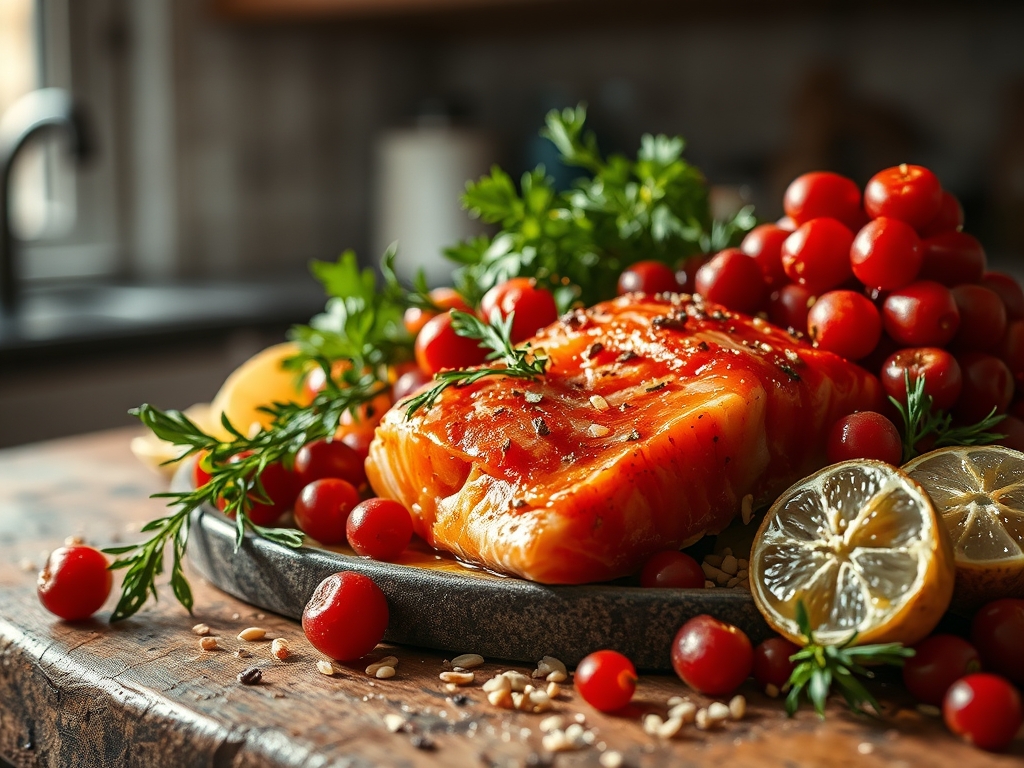
To achieve a professional result, your mise-en-place must be precise. Start with two pounds of center-cut Atlantic or King salmon; look for high fat marbling which ensures a moist result after the thermal rendering process. You will need twelve ounces of fresh cranberries. Avoid the frozen variety if possible, as their cell walls have collapsed, which can lead to a watery glaze rather than a viscous reduction.
For the aromatics, grab a fresh knob of ginger and a microplane to create a fine paste. You will also need high-quality maple syrup (Grade A Dark) to provide the sugars necessary for caramelization. A splash of apple cider vinegar is essential to provide the acetic acid needed to brighten the heavy fats. Finally, keep your kosher salt and freshly cracked black pepper within reach.
Smart Substitutions: If cranberries are out of season, a high-quality, low-sugar lingonberry preserve can work, but you must reduce the added maple syrup by half to prevent an overly cloying profile. If you are avoiding refined sugars, use a monk fruit liquid sweetener, though keep in mind you will lose some of the "tack" that real sugar provides during the reduction. For a citrus twist, swap the vinegar for freshly squeezed blood orange juice to add a floral note to the infusion.
The Clock:
Efficiency in the kitchen is about "Chef's Flow," which means overlapping tasks to minimize downtime. Your total active prep time is approximately 15 minutes, with a cook time of 20 minutes.
The flow begins with the glaze reduction. While the cranberries are simmering and breaking down in your saucier, you will be prepping the fish. This ensures that the glaze has reached the proper viscosity just as the salmon is ready for its first sear. If you wait to start the glaze until the fish is cooking, you risk overcooking the protein while waiting for the liquid to reduce. Total time from fridge to table is roughly 35 minutes, making this a high-impact, low-stress centerpiece.
The Masterclass:
1. The Glaze Reduction
In a small saucier, combine your cranberries, maple syrup, ginger, and vinegar. Heat over medium until the berries begin to "pop." Use a whisk to gently macerate the fruit against the side of the pan.
Pro Tip: This process utilizes pectin extraction. As the berries burst, they release natural thickeners that create a glossy, stable emulsion without the need for cornstarch.
2. Tempering the Protein
Remove your salmon from the refrigerator 20 minutes before cooking. Pat the skin side extremely dry using a paper towel.
Pro Tip: This prevents a thermal shock where the cold fish causes the pan temperature to drop, leading to steaming rather than searing. Dry skin is the only way to achieve a crisp, parchment-like texture.
3. The Initial Sear
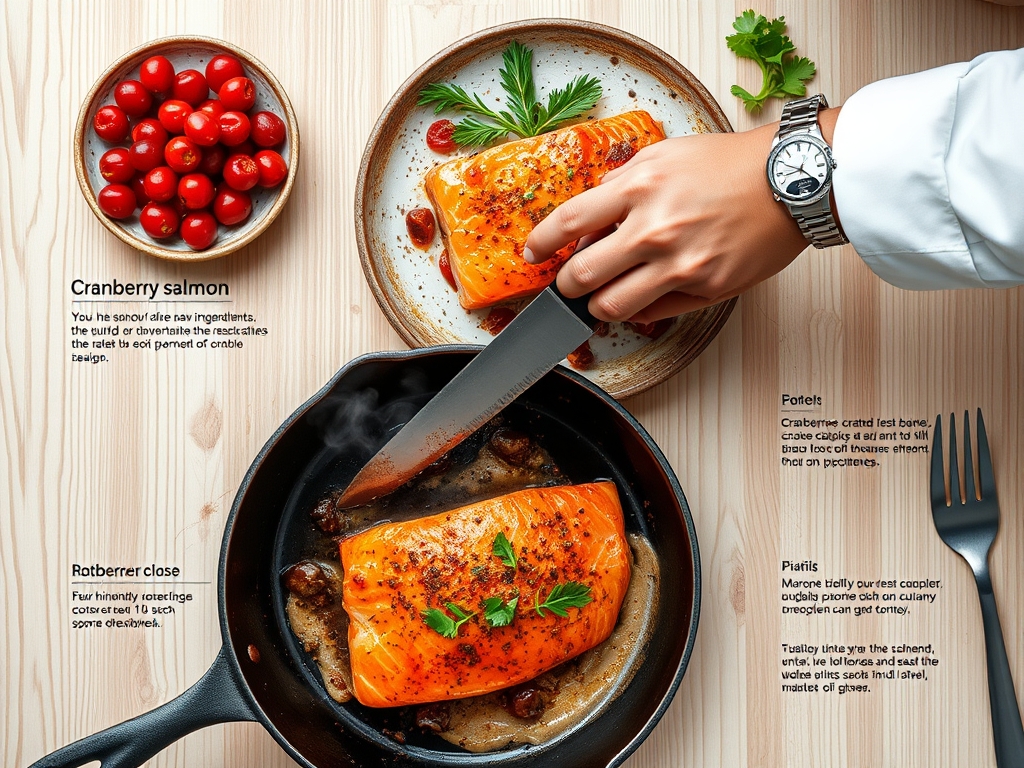
Heat a heavy-bottomed skillet with a high-smoke-point oil (like avocado oil). Place the salmon skin-side down and press firmly with a flexible fish spatula for 30 seconds.
Pro Tip: This initial pressure prevents the protein fibers from curling, ensuring even heat distribution across the entire surface area of the skin.
4. Deglazing and Coating
Once the skin is crispy, flip the fish using tongs. Immediately pour half of your cranberry reduction into the pan.
Pro Tip: This creates a deglazing effect, where the liquid lifts the flavorful browned bits (fond) from the bottom of the pan and incorporates them back into the sauce.
5. The Basting Technique
Use a spoon to continuously pour the bubbling glaze over the top of the salmon for the final two minutes of cooking.
Pro Tip: This is known as arroser. The hot fat and sugar mixture creates a recursive cooking loop that flavors the fish deeply while keeping the top flesh succulent.
6. Managing Thermal Carryover
Remove the salmon from the heat when the internal temperature reaches 125 degrees Fahrenheit on a digital thermometer.
Pro Tip: Thermal carryover will cause the internal temperature to rise another 5 to 7 degrees while resting, bringing it to a perfect medium-rare. If you wait until 135 to pull it, you will end up with dry fish.
The Deep Dive:
From a macro perspective, this dish is a powerhouse. A standard six-ounce serving provides roughly 34 grams of high-quality protein and is rich in Vitamin B12 and Potassium. The cranberries add a significant dose of antioxidants and Vitamin C, though the sugar content from the maple syrup should be noted by those tracking glucose.
Dietary Swaps:
- Keto: Replace maple syrup with an allulose-based syrup and use a splash of lemon juice to mimic the tartness.
- Vegan: This glaze is incredible over a thick "steak" of roasted cauliflower or firm tofu.
- GF: This recipe is naturally gluten-free, provided your vinegar is distilled and pure.
The Fix-It:
- Skin is soggy: You likely didn't get the pan hot enough or the skin was too wet. Fix: Finish it under a high broiler for 60 seconds to "shock" the skin into crispness.
- Glaze is too thick: If it turns into a paste, it has over-reduced. Fix: Whisk in a tablespoon of warm water or orange juice to re-emulsify the sugars.
- Fish is sticking: You tried to flip it too early. Fix: Wait for the protein denaturation to naturally release the fish from the pan surface.
Meal Prep: To reheat, avoid the microwave at all costs; it turns salmon into rubber. Instead, place the fillet in a covered pan with a teaspoon of water over low heat. The steam will gently revive the fats without toughening the fibers.
The Wrap-Up:
You have just mastered the art of the cranberry salmon recipe! By understanding the chemistry of pectin, the importance of tempering your protein, and the magic of thermal carryover, you have elevated a simple piece of fish into a culinary event. This dish is vibrant, sophisticated, and hits every single sensory note. Go ahead and pour yourself a glass of crisp Sauvignon Blanc; you have earned it!
The Kitchen Table:
How do I know when the salmon is perfectly cooked?
Use a digital thermometer to pull the fish at 125 degrees Fahrenheit. The flakes should be opaque on the outside but slightly translucent in the center. It should yield easily to gentle pressure from a fork without shattering into dry powder.
Can I use frozen cranberries for the glaze?
Yes, but thaw and drain them first. Frozen berries release more moisture, so you will need to simmer the glaze for an extra five minutes to reach the desired viscous consistency. Watch the pan closely to prevent the sugars from scorching.
What is the best way to get crispy skin?
Pat the skin bone-dry with paper towels and ensure your skillet is shimmering hot before adding the fish. Press down with a spatula for the first thirty seconds to ensure maximum contact between the skin and the heat source for even browning.
Can I make the cranberry glaze in advance?
Absolutely. The glaze stays fresh in the refrigerator for up to five days. Simply reheat it in a small saucier with a splash of water or juice to loosen the pectins before spooning it over your freshly seared salmon.