
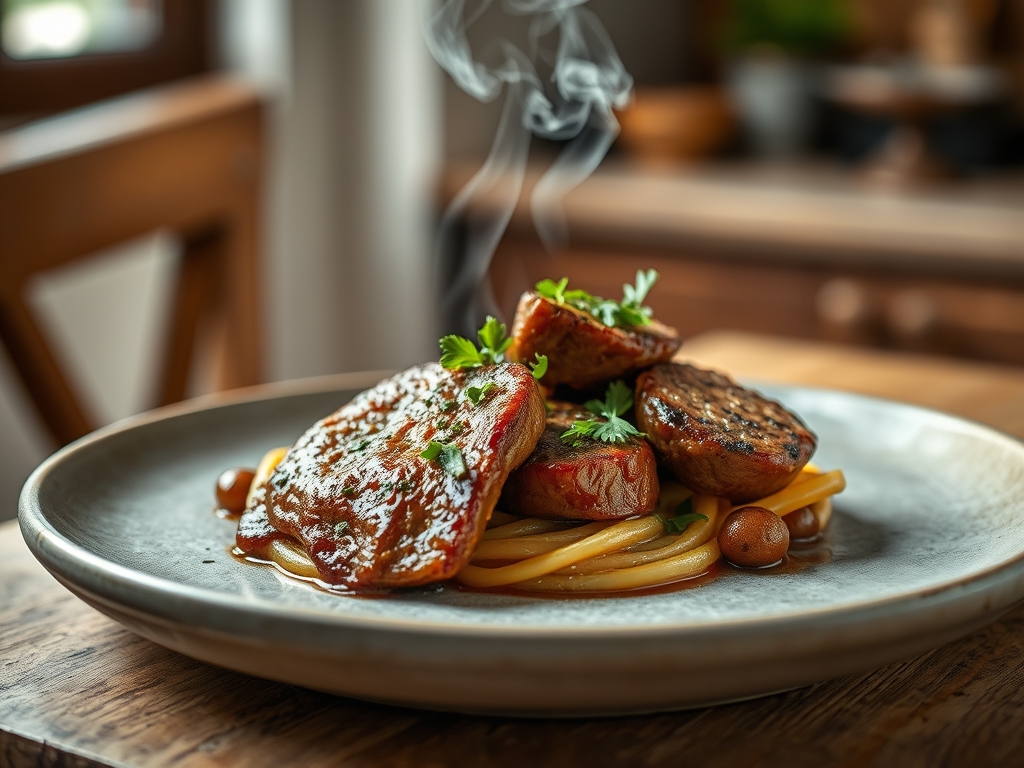
Imagine the hiss of a heavy-bottomed skillet meeting a perfectly marbled cut of protein. The aroma of searing fat and toasted spices fills the air; it is a scent that signals comfort and luxury without the baggage of a blood sugar spike. Finding delicious beef recipes for diabetics is not about deprivation; it is about mastering the molecular transformation of ingredients to maximize flavor while maintaining metabolic stability.
We are moving past the era of bland, boiled proteins and entering a world where culinary science meets blood sugar management. Beef is a nutritional powerhouse, providing essential heme iron, zinc, and Vitamin B12. When paired with high-fiber aromatics and complex acids, it becomes the cornerstone of a vibrant, health-conscious kitchen. We will explore how to render fats efficiently and use piquant infusions to create meals that feel like a cheat day but read like a nutritionist's dream.
This guide focuses on eight distinct applications of lean beef, ranging from a zesty Thai-inspired salad to a slow-braised chuck roast that melts at the touch of a fork. By understanding the chemistry of the Maillard reaction and the role of fiber-rich pairings, you will transform your dinner rotation into a masterclass of flavor and function.
The Gathers:
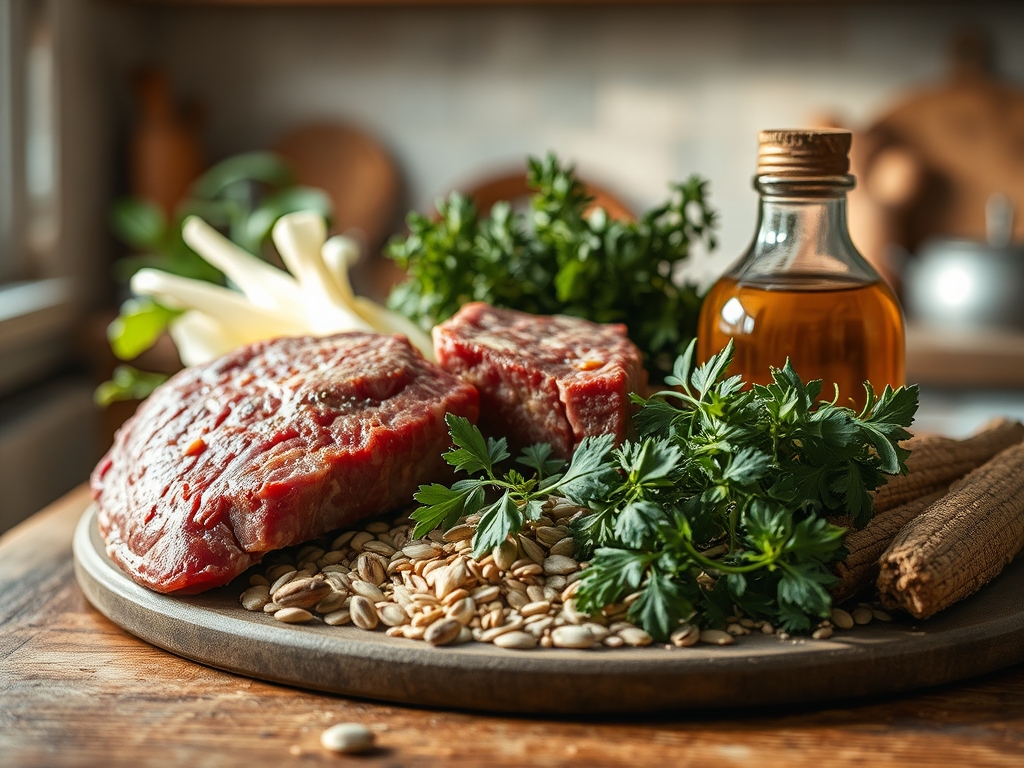
Every great dish begins with a meticulously organized mise-en-place. To execute these beef recipes for diabetics, your workstation should resemble a laboratory of textures. Start with your protein: look for lean cuts like top sirloin, flank steak, or 93/7 ground beef. These cuts offer high protein density with minimal saturated fat, which is crucial for heart health in diabetic management.
Your vegetable palette should be vibrant and fibrous. Gather crisp bok choy, bell peppers for a pop of vitamin C, and cruciferous dynamos like broccoli or cauliflower. Use a microplane to zest fresh ginger and garlic; these aromatics contain bioactive compounds that may assist in insulin sensitivity. For the "Smart Substitutions," swap traditional cornstarch thickeners for xanthan gum or a reduction of pureed cauliflower to maintain a viscous sauce without the glycemic load. Replace sugary marinades with acidic agents like apple cider vinegar, lime juice, or a splash of dry red wine to tenderize the muscle fibers through enzymatic breakdown.
The Clock
Efficiency in the kitchen is about "Chef's Flow." This is the art of overlapping tasks to minimize downtime. For most of these recipes, the prep time sits at a crisp 20 minutes, while cook times vary from a 10-minute flash-sear to a 6-hour slow braise.
The secret to the flow is prepping your aromatics while the beef reaches room temperature. Never cook beef straight from the refrigerator. Allowing the meat to temper for 30 minutes ensures even heat distribution, preventing a rubbery exterior and a raw center. While the beef rests after cooking, use that 10-minute window to whip up a fresh chimichurri or a vinegar-based slaw. This synchronized timing ensures that every component hits the plate at its peak structural integrity.
The Masterclass
1. The Science of the Sear
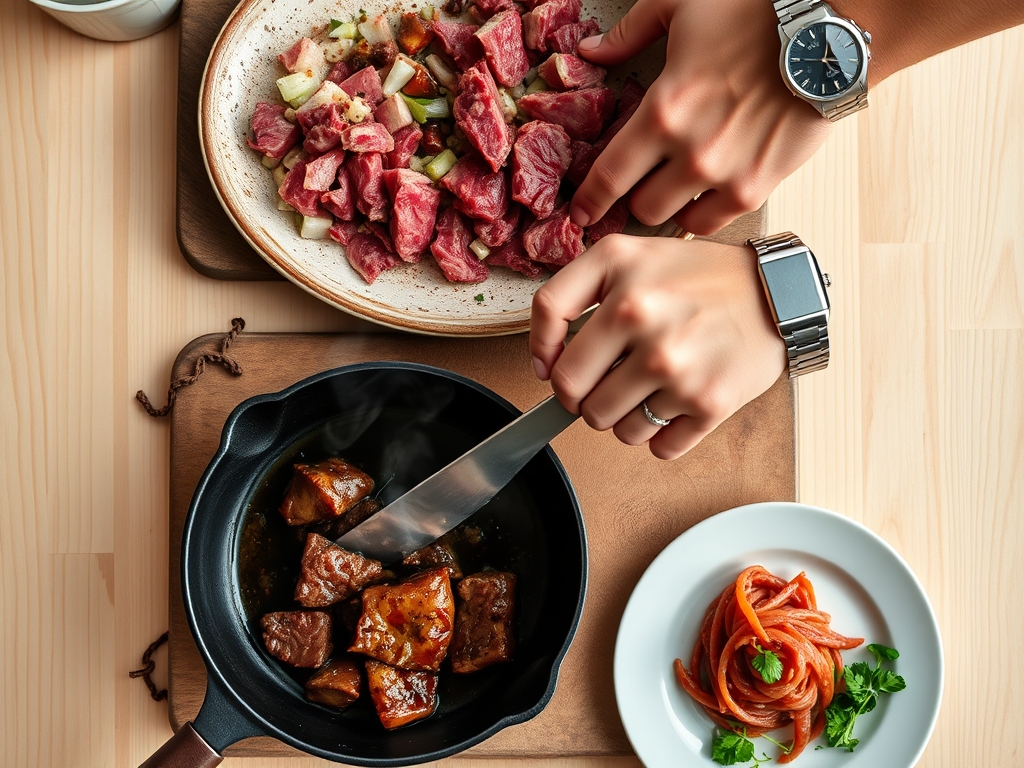
Place your heavy-bottomed skillet over medium-high heat until it wisps with smoke. Pat the beef bone-dry with paper towels before seasoning. Moisture is the enemy of the Maillard reaction; if the surface is wet, the meat will steam rather than brown. Use tongs to press the meat firmly against the pan.
Pro Tip: The Maillard reaction occurs between 285 and 330 degrees Fahrenheit. This chemical reaction between amino acids and reducing sugars creates hundreds of different flavor compounds. Achieving this deep brown crust provides "umami" depth, which reduces the need for added salt or sugary glazes.
2. Deglazing the Fond
Once the beef is removed, you will see brown bits stuck to the pan. This is called the "fond." Pour in a half-cup of beef bone broth or a splash of verjus. Use a wooden spoon to scrape the bottom of the pan, incorporating those concentrated flavors into a sauce.
Pro Tip: Deglazing is a thermodynamic process that captures caramelized proteins. By using a low-glycemic liquid to lift the fond, you create a rich sauce that is naturally thick and flavorful without requiring flour-based roux or starches.
3. The Low and Slow Braise
For tougher cuts like brisket or chuck, submerge the meat halfway in a liquid composed of aromatics and acidic elements. Cover tightly and simmer. This process breaks down the tough collagen into gelatin, resulting in a succulent texture.
Pro Tip: This is known as hydrothermal denaturation. At temperatures around 160 degrees Fahrenheit, collagen fibers shrink and eventually dissolve into gelatin. This adds a silky mouthfeel to the dish without adding a single gram of fat or sugar.
4. Resting for Redistribution
Transfer your cooked steak to a cutting board and wait. Do not pierce the meat. For a standard steak, wait at least eight minutes. For a roast, wait twenty.
Pro Tip: This allows for thermal carryover and juice redistribution. During cooking, muscle fibers contract and push moisture toward the center. Resting allows the fibers to relax and reabsorb those juices; if you cut too soon, the moisture escapes, leaving the meat dry and tough.
The Deep Dive
When we look at the macro nutrition of these beef recipes for diabetics, we are targeting a profile of high protein (30-40g), moderate healthy fats (10-15g), and low net carbohydrates (under 10g). This balance prevents the rapid glucose spikes associated with high-carb meals.
Dietary Swaps:
For a Vegan alternative, use "meaty" king oyster mushrooms or tempeh seared with the same aromatic profile. For Keto enthusiasts, increase the fat content by adding a dollop of grass-fed butter or avocado. All recipes are naturally Gluten-Free if you ensure your soy sauce is substituted with liquid aminos or tamari.
The Fix-It:
- The Meat is Tough: You likely skipped the resting phase or sliced with the grain. Always slice against the grain to shorten the muscle fibers.
- The Sauce is Watery: Do not reach for flour. Continue to simmer the sauce uncovered to evaporate excess water, or whisk in a teaspoon of cold butter (monter au beurre) for an emulsified finish.
- The Beef is Grey, Not Brown: Your pan was too crowded. Crowding drops the surface temperature and creates steam. Cook in batches to maintain high heat.
Meal Prep:
When reheating beef, avoid the microwave. The high-frequency waves agitate water molecules, often "steaming" the meat into a rubbery texture. Instead, use a low oven (250 degrees) with a splash of broth covered in foil to gently bring the protein back to temperature without overcooking the center.
The Wrap-Up
You are now equipped with the technical prowess to turn a simple cut of beef into a metabolic masterpiece. By focusing on the chemistry of the sear and the intelligence of your substitutions, you can enjoy rich, savory meals that respect your body's needs. Cooking is the ultimate act of self-care; so grab your digital scale, sharpen your knives, and let the sizzle in the pan be the soundtrack to your health journey. You have got this!
The Kitchen Table
Can diabetics eat red meat every day?
While beef is nutrient-dense, moderation is key. Aim for 2 to 3 servings of lean beef per week. Balance these meals with high-fiber vegetables and healthy fats to ensure a well-rounded, heart-healthy diabetic diet.
What is the best cut of beef for diabetics?
Choose "Select" or "Choice" grades over "Prime" to reduce saturated fat. Top round, bottom round, and sirloin tip are excellent lean options. These cuts provide high protein with fewer calories, supporting weight management and blood sugar stability.
How do I make a diabetic-friendly gravy?
Avoid white flour or cornstarch. Instead, reduce beef bone broth with aromatics like rosemary and garlic. For thickness, whisk in a small amount of glucomannan powder or blend in cooked cauliflower for a creamy, low-carb consistency.
Does the way I cook beef affect my blood sugar?
Directly, no; however, overcooking at extreme temperatures can create AGEs (Advanced Glycation End-products). Using moist heat methods like braising or marinating with acidic ingredients like lemon juice can help reduce the formation of these compounds.