
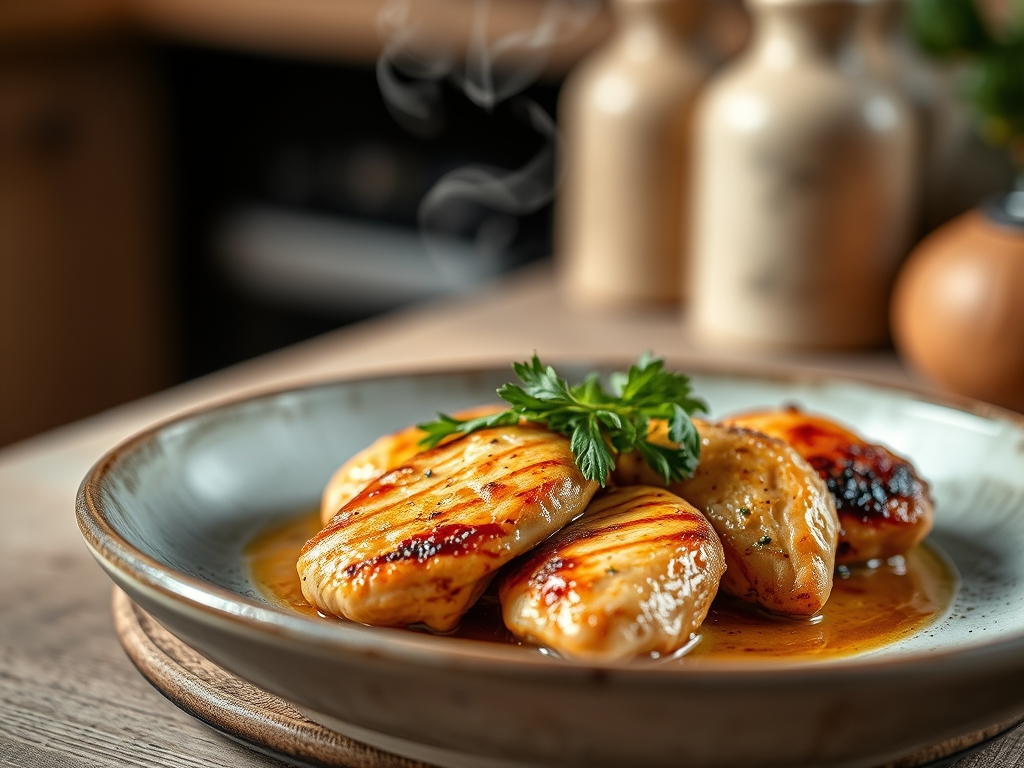
The kitchen is currently humming with the scent of toasted garlic and searing protein; it is the olfactory equivalent of a warm hug. When life moves at the speed of light, finding simple chicken recipes healthy enough to fuel your ambition while tasting like a five-star bistro becomes a literal survival skill. We have all been there: staring at a cold, translucent breast of chicken and wondering how to transform it without spending three hours at the stove. The secret is not more time; it is better chemistry. By mastering just a few molecular shortcuts, you can turn a basic bird into a masterpiece of texture and flavor. We are talking about the kind of meals that make your coworkers jealous of your lunch container. This guide is your backstage pass to the science of the sear and the art of the marinade. Get ready to ditch the dry, rubbery results of the past. We are diving deep into the technical mechanics of heat and moisture to ensure every bite is a revelation of culinary efficiency.
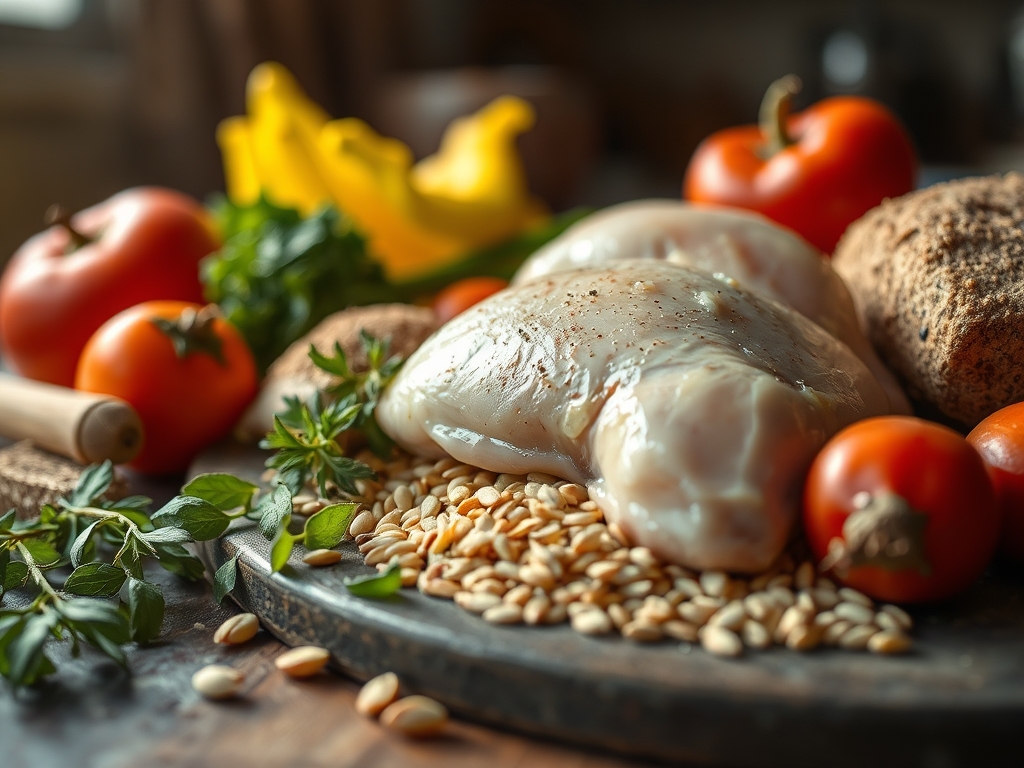
The Gathers:
Your mise-en-place is the foundation of kitchen confidence. To execute these simple chicken recipes healthy style, you need a balance of acidity, fat, and aromatics. Start with high-quality organic poultry; the cellular structure holds moisture better than cheaper, water-injected alternatives. You will need a heavy-bottomed skillet to ensure even heat distribution and a microplane for zesting citrus and grating fresh ginger. Aromatics like shallots and garlic should be sliced with a sharp chef knife to avoid bruising the cell walls, which can lead to bitter off-flavors.
Smart Substitutions: If you are watching your sodium, replace traditional soy sauce with liquid aminos or coconut aminos. For a piquant kick without the calories of heavy cream, use Greek yogurt or silken tofu to create a viscous sauce. Instead of refined oils, reach for avocado oil; its high smoke point of 520 degrees Fahrenheit prevents the oil from breaking down into acrid compounds during high-heat searing. Always keep a bottle of dry white wine or high-quality chicken bone broth nearby to deglaze your pan and capture the savory fond.
The Clock
Efficiency in the kitchen is about "Chef's Flow," the ability to overlap tasks so that no second is wasted. These hacks are designed to move from fridge to table in under 30 minutes. Prep time is a focused ten minutes of chopping and measuring. The cooking phase takes approximately fifteen minutes, with a mandatory five-minute rest period. This rest is non-negotiable; it allows the muscle fibers to relax and reabsorb the internal juices. If you cut into the meat too early, the moisture will migrate to the cutting board, leaving you with a parched dinner. Use a digital scale to portion your proteins accurately, ensuring that every piece cooks at the exact same rate.
The Masterclass
1. The Dry Brine Technique
Sprinkle your chicken with kosher salt at least thirty minutes before cooking. This process uses osmosis to draw moisture out, dissolve the salt, and then pull that seasoned brine back into the meat.
Pro Tip: This creates enzymatic browning more effectively because the surface of the meat is dry. Moisture is the enemy of a good sear; steam prevents the Maillard reaction from occurring.
2. The Butterfly Cut
Use a bench scraper to clear your station, then lay the chicken flat. Slice through the thickest part of the breast but do not cut all the way through. Open it like a book.
Pro Tip: Increasing the surface area allows for faster heat transfer. This reduces cooking time by 40 percent and ensures the edges do not overcook while the center remains raw.
3. The Cold Pan Start
Place skin-on thighs in a cold heavy-bottomed skillet and then turn the heat to medium-high. This allows the fat to render slowly as the pan heats up.
Pro Tip: Starting cold prevents the skin from shrinking too quickly. It results in a glass-like crispness that you simply cannot achieve by dropping cold meat into a screaming hot pan.
4. The Aromatics Infusion
Once you flip the chicken, toss in smashed garlic cloves and sprigs of thyme or rosemary. Use tongs to swirl them in the rendered fat.
Pro Tip: This is known as fat-soluble flavor infusion. The essential oils in the herbs are released into the fat, which then coats the protein in a fragrant, protective layer.
5. The Pan Sauce Deglaze
After removing the chicken, pour a splash of broth or wine into the hot pan. Use a whisk to scrape up the brown bits (the fond).
Pro Tip: This is the ultimate flavor hack. Those brown bits are concentrated umami. By adding a liquid, you create an emulsion that captures every ounce of flavor from the pan.
6. The Velvet Marinade
For stir-fry styles, coat small pieces of chicken in a mixture of cornstarch and egg white before quick-searing.
Pro Tip: This Chinese technique, called "velveting," creates a physical barrier that protects the delicate proteins from high heat, keeping the interior incredibly tender.
7. The Thermal Rest
Remove your chicken from the heat when the internal temperature reaches 160 degrees Fahrenheit, rather than the target 165.
Pro Tip: This accounts for thermal carryover. The residual heat will continue to cook the meat while it rests, bringing it to a perfect, safe 165 without drying it out.
8. The Acid Finish
Always squeeze fresh lemon or lime juice over the chicken just before serving.
Pro Tip: Acid acts as a flavor brightener. It cuts through the richness of the fats and "wakes up" the taste buds, making the savory notes of the chicken more pronounced.
9. The Aerated Sauce
If your pan sauce looks heavy, whisk in a teaspoon of cold butter or a dollop of yogurt at the very end, off the heat.
Pro Tip: This process helps to aerate the sauce and create a stable emulsion. The cold fat molecules bind with the liquid to create a glossy, professional finish.
The Deep Dive
From a macro nutrition perspective, chicken is a powerhouse. A standard 6-ounce serving provides roughly 52 grams of protein with minimal saturated fat. For those following a Keto protocol, prioritize skin-on thighs to increase healthy fat intake. Vegan friends can swap chicken for extra-firm tofu or seitan using these same searing techniques. If you are Gluten-Free, ensure your thickening agents are arrowroot or tapioca starch rather than wheat flour.
The Fix-It:
- Rubbery Texture: This usually means the chicken was overcooked. Use a digital thermometer every time. No excuses.
- Bland Flavor: You likely skipped the dry brine. Salt needs time to penetrate the protein structure; surface salting right before cooking is not enough.
- Sticking to the Pan: You tried to flip it too early. Protein will naturally release from the pan once the Maillard reaction has formed a sufficient crust.
Meal Prep Science: To maintain "day-one" quality, reheat your chicken in a saucier with two tablespoons of water or broth over medium heat. Covering the pan creates a steam chamber that rehydrates the fibers. Avoid the microwave, which vibrates water molecules so violently they escape as steam, leaving the meat toughened and dry.
The Wrap-Up
Mastering simple chicken recipes healthy enough for your daily routine is about respecting the physics of the kitchen. When you understand how heat interacts with protein and how acidity balances fat, you stop following recipes and start creating art. Use your tongs like an extension of your hand and trust your nose to tell you when the garlic is perfectly toasted. You have the tools, the science, and the flavor profiles to turn every weeknight dinner into a culinary win. Now, get that skillet hot and show that chicken who is boss.
The Kitchen Table
How do I keep chicken breast from getting dry?
Use a digital thermometer to pull the meat at 160 degrees. Let it rest for five minutes to allow thermal carryover to finish the job while the juices redistribute through the muscle fibers for maximum moisture retention.
What is the best oil for searing chicken?
Avocado oil is the gold standard due to its high smoke point. It allows for intense searing and the Maillard reaction without breaking down into bitter, carcinogenic compounds like olive oil or butter might at high temperatures.
Can I cook frozen chicken in a skillet?
It is not recommended for texture. Thawing allows for even heat distribution. If you must, use the "low and slow" method in a covered saucier to ensure the center reaches a safe temperature without burning the exterior.
Why does my chicken not get brown?
You are likely crowding the pan or the meat was too wet. Excess moisture creates steam, which caps the temperature at 212 degrees. Pat the meat dry with paper towels to allow for proper enzymatic browning.