
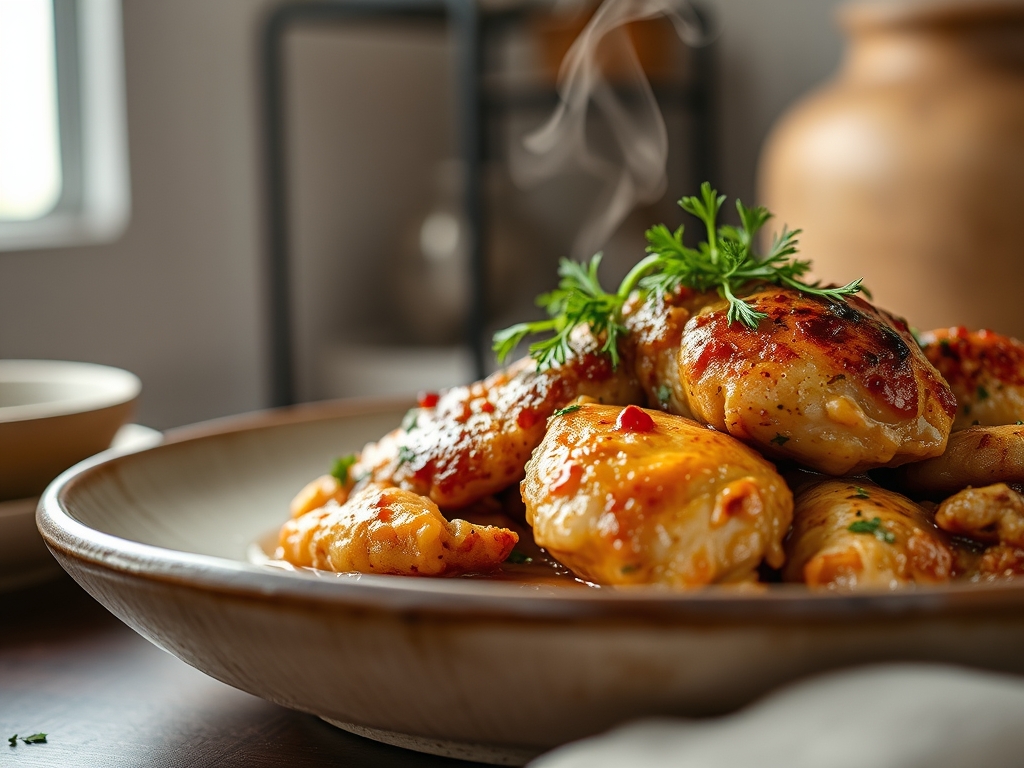
Picture this: you walk through the front door after a grueling day, and instead of the stale scent of a closed-up house, you are met with a heavy, golden cloud of garlic, ginger, and slow-rendered fat. It is the kind of aroma that feels like a physical embrace. Finding reliable gluten free chicken recipes slow cooker style used to mean settling for bland, watery stews, but we are changing that narrative today. We are leveraging the beauty of low and slow heat to transform lean proteins into succulent, fork-tender masterpieces. This is not just about convenience; it is about the chemistry of time. By allowing connective tissues to break down into silky gelatin over several hours, we create a mouthfeel that rival's any high-end bistro dish. We are going to explore six distinct flavor profiles, from a piquant Mediterranean lemon to a deeply savory honey garlic, all while ensuring every single ingredient is safe for a celiac-friendly kitchen. Grab your favorite apron; we are about to turn your kitchen into a fragrance-filled sanctuary of effortless gourmet cooking.
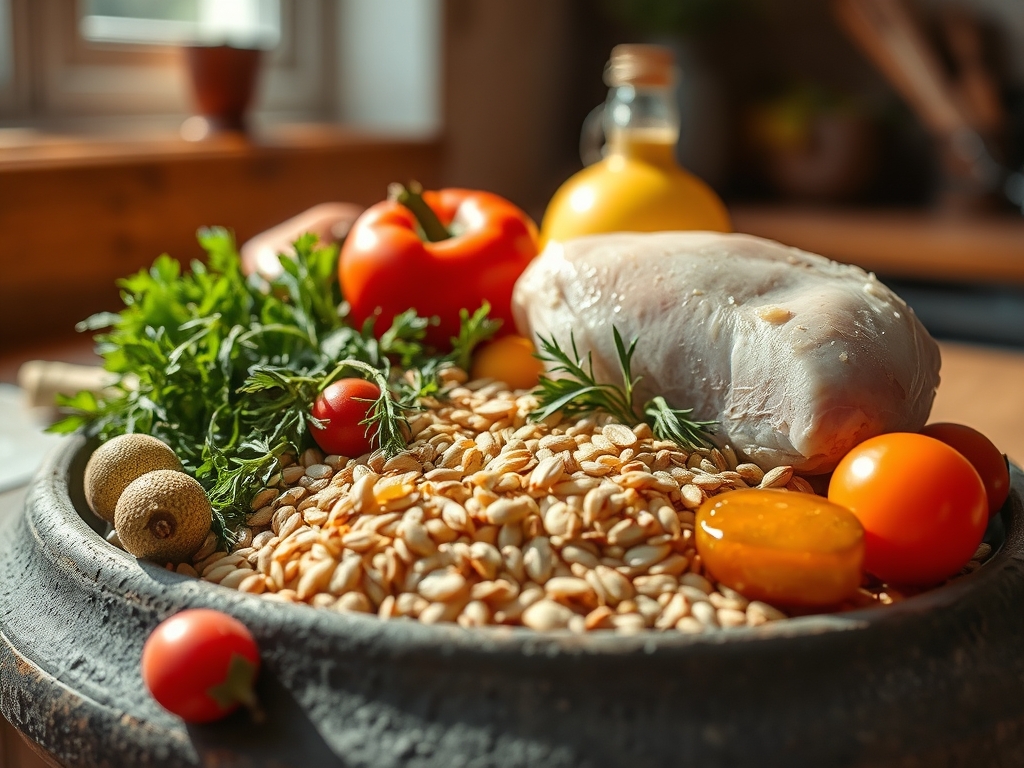
The Gathers:
Setting up your mise-en-place is the difference between a frantic kitchen and a fluid one. Start with your protein: organic chicken thighs are the gold standard here because their higher fat content prevents them from drying out during the long thermal cycle. If you prefer breasts, we will use a shorter window to maintain moisture. You will need a microplane to zest citrus and grate fresh ginger into a fine paste, ensuring the essential oils are fully released into the sauce. For our aromatics, reach for a sharp chef's knife to achieve a uniform dice on your mirepoix; consistency in size ensures an even rate of softening.
Smart substitutions are your secret weapon. Instead of traditional soy sauce, which contains wheat, we utilize liquid aminos or tamari to provide that essential umami backbone. To achieve a viscous sauce without flour, keep a container of arrowroot powder or non-GMO cornstarch nearby. We also rely on high-quality bone broth rather than standard stocks to increase the collagen content, which adds a natural body to the liquid. Finally, keep a digital scale handy to measure your spices. Precision in weight, especially with potent elements like smoked paprika or cumin, ensures the flavor profile remains balanced rather than overwhelming.
The Clock
The "Chef's Flow" is all about managing the rhythm of the kitchen. For these gluten free chicken recipes slow cooker methods, your active prep time is a tight 15 to 20 minutes. This includes the "sear and deglaze" phase, which is non-negotiable for depth of flavor. Once the lid is on, the passive phase takes over. Most recipes will thrive on the "Low" setting for 6 to 7 hours, or "High" for 3 to 4 hours.
The strategy is simple: prep your aromatics the night before and store them in airtight glass containers. In the morning, it is a quick sear in a heavy-bottomed skillet, a toss into the ceramic insert, and you are done. The final "Finish Flow" happens in the last 10 minutes of cooking, where we add delicate herbs or thickening slurries to brighten the dish before serving.
The Masterclass
1. The Maillard Foundation
Before the chicken ever touches the slow cooker, you must sear the skin or surface in a hot pan with a high-smoke-point oil.
Pro Tip: This triggers the Maillard reaction, a chemical rearrangement of amino acids and sugars that creates hundreds of different flavor compounds and that signature golden-brown crust.
2. Deglazing the Fond
Once the chicken is browned, remove it with tongs and pour a splash of broth or white wine into the hot skillet. Use a wooden spoon to scrape up the brown bits (the fond).
Pro Tip: These bits are concentrated flavor bombs; by deglazing, you are incorporating those complex, toasted notes back into your sauce base.
3. Layering the Aromatics
Place your hard vegetables like carrots and onions at the bottom of the slow cooker, followed by the chicken, and then pour your liquid over the top.
Pro Tip: The bottom of the pot is the hottest zone. Placing dense vegetables there ensures they soften completely while the chicken gently steams on top to prevent overcooking.
4. The Emulsification Phase
Halfway through cooking, give the liquid a gentle stir to integrate the rendered chicken fat with the acidic components of your sauce.
Pro Tip: This creates a temporary emulsion, preventing the sauce from breaking and ensuring every bite of chicken is coated in a uniform, flavorful glaze.
5. The Thickening Slurry
In the final 30 minutes, whisk arrowroot powder with cold water in a saucier or small bowl and stir it into the bubbling liquid.
Pro Tip: Starch granules swell and trap water when heated, a process called gelatinization, which transforms a thin broth into a rich, velvety gravy.
6. The Bright Finish
Just before serving, stir in fresh parsley, cilantro, or a squeeze of lime juice.
Pro Tip: Heat mutes acidity and volatile oils over time. Adding "bright" ingredients at the very end provides a high-frequency flavor contrast to the deep, "bass" notes of the slow-cooked meat.
The Deep Dive
From a nutritional standpoint, these dishes are powerhouses. By using the slow cooker, we retain more water-soluble vitamins that might otherwise be lost in high-heat roasting. A standard serving provides roughly 35g of bioavailable protein and, depending on your vegetable ratios, a significant dose of fiber.
If you are looking to pivot, these recipes are incredibly flexible. For a Vegan swap, replace the chicken with chickpeas or jackfruit, though you should reduce the cooking time to 4 hours on low to prevent the plants from becoming mushy. For Keto enthusiasts, omit the honey or starches and increase the healthy fats by stirring in a spoonful of grass-fed butter at the end.
The Fix-It: Common Pitfalls
- The Sauce is Too Thin: Remove the lid and cook on "High" for 30 minutes to allow evaporation, or use a stick blender to puree a portion of the cooked vegetables back into the sauce.
- The Chicken is Tough: This usually means it hasn't cooked long enough for the collagen to convert to gelatin. Give it another 45 minutes.
- The Flavors are Flat: You likely need more salt or acid. A teaspoon of apple cider vinegar can "wake up" a dull stew instantly.
For meal prep, reheating is a science. Avoid the microwave, which can turn chicken rubbery through uneven molecular agitation. Instead, reheat on the stovetop over low heat with a splash of broth to rehydrate the proteins. This maintains that "day-one" silky texture.
The Wrap-Up
Mastering gluten free chicken recipes slow cooker style is about more than just avoiding wheat; it is about embracing a smarter way to build flavor. By using professional tools like the saucier and understanding the chemistry of the Maillard reaction, you elevate a simple weeknight meal into a culinary event. These six recipes provide a blueprint for a stress-free, delicious lifestyle. Now, go forth, set that timer, and let the physics of slow heat do the heavy lifting for you.
The Kitchen Table
Can I put frozen chicken directly into the slow cooker?
No, it is not recommended for safety. Frozen meat stays in the "danger zone" temperature range (40 to 140 degrees Fahrenheit) for too long, allowing bacteria to multiply. Always thaw your chicken completely in the refrigerator before starting.
How do I prevent my gluten-free sauce from breaking?
Sauces break when fat separates from the liquid. To prevent this, avoid high-fat dairy until the very end of the cooking process. Use a whisk to vigorously incorporate a starch slurry, which acts as a stabilizer for the emulsion.
What is the best way to shred slow-cooked chicken?
For the most efficient results, use two large forks or a stand mixer with the paddle attachment. Shredding the chicken while it is still warm allows the fibers to separate easily while they are still lubricated by the warm fats.
Why does my slow cooker chicken sometimes taste bland?
Slow cooking can dilute flavors through condensation. To fix this, always sear your meat first to develop complex sugars. Additionally, double the amount of dried herbs compared to oven recipes, and always add fresh herbs at the end.