
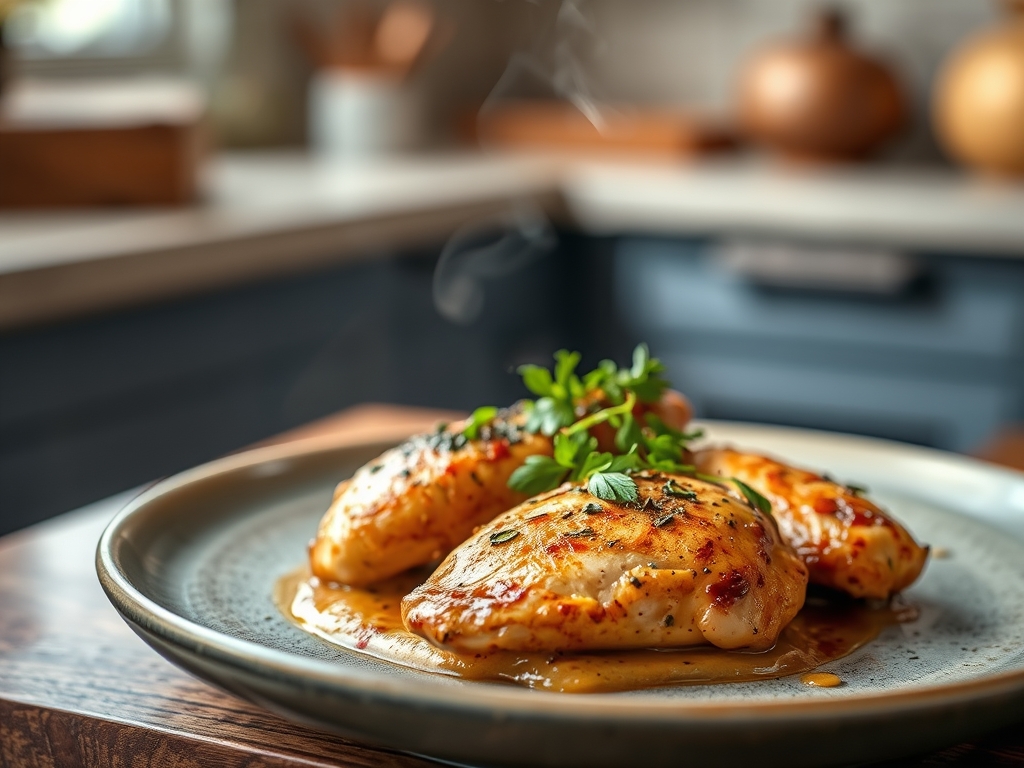
Picture the sound of a heavy bottomed skillet meeting a high flame; it is the rhythmic percussion of a kitchen that knows exactly what it is doing. We are moving past the bland, rubbery poultry of your fitness past and entering a world where fat is a flavor carrier and protein is a canvas. Finding easy keto chicken recipes that actually deliver on texture and depth requires more than just removing the breading. It requires a fundamental understanding of how heat interacts with connective tissue and how acids brighten a heavy palate. We are going to master eight distinct profiles tonight, ranging from a silky Tuscan cream to a piquant lemon herb pan sear, ensuring your weeknight rotation never feels like a chore.
The secret to a successful low carb lifestyle is not deprivation; it is the strategic use of high quality fats to achieve satiety. When we talk about easy keto chicken recipes, we are looking for that perfect intersection of minimal prep and maximum chemical payoff. You want the skin to shatter like glass while the interior remains succulent. You want sauces that cling to your fork without the help of cornstarch or flour. Grab your favorite apron and clear the counter. We are about to turn your kitchen into a high performance laboratory where the results are delicious, the macros are impeccable, and the cleanup is a breeze.
The Gathers:
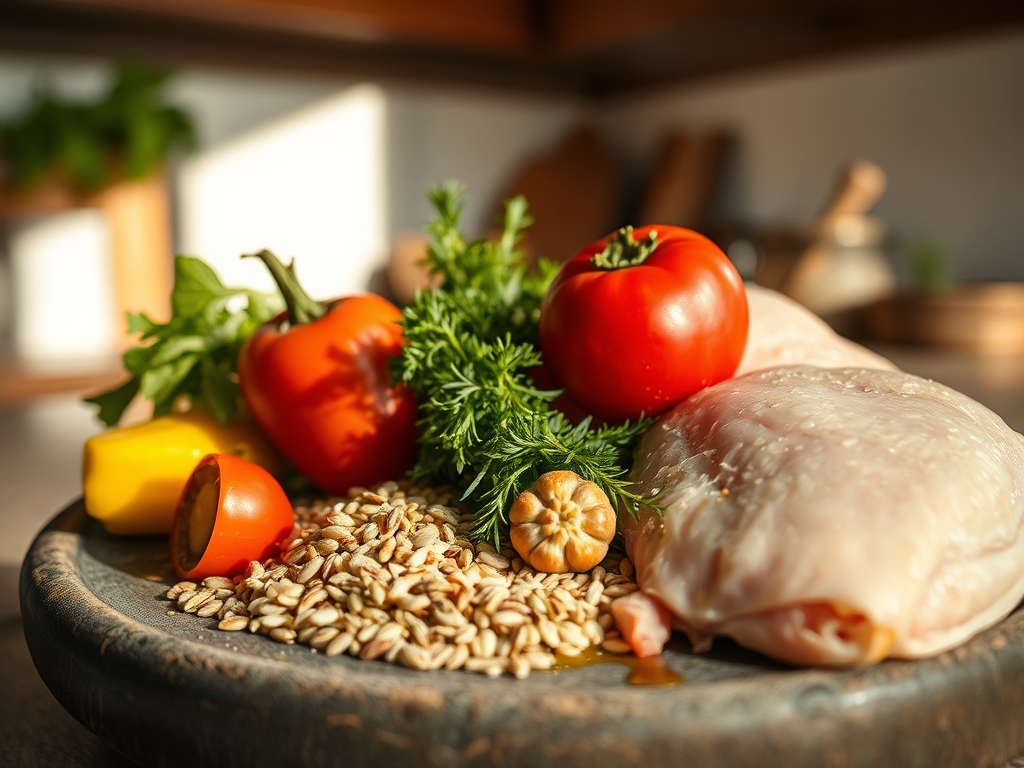
Before the first burner is lit, we must respect the mise-en-place. Our primary subject is the chicken thigh, specifically skin-on and bone-in for maximum flavor retention. The bone acts as a thermal conductor, distributing heat evenly through the thickest part of the muscle, while the skin provides the lipids necessary for a perfect sear. You will need high smoke point fats like avocado oil or ghee; butter is wonderful for finishing, but its milk solids will scorch if used for the initial high heat transition.
Our aromatic profile relies on fresh garlic, shallots, and woody herbs like rosemary and thyme. To replace the bulk of traditional starches, we use fibrous vegetables like riced cauliflower, asparagus spears, and hardy lacinato kale. For the sauces, keep heavy cream, full fat cream cheese, and a sharp parmesan on standby. These ingredients provide the viscous mouthfeel we crave.
Smart Substitutions:
If you find yourself without heavy cream, a full fat coconut milk provides a similar lipid profile with a subtle tropical undertone. If you are avoiding dairy entirely, nutritional yeast offers a nutty, cheesy umami hit that mimics aged cheddar. For those who prefer white meat, substitute chicken breasts but reduce your cooking time by thirty percent to avoid the dreaded "chalky" texture that occurs when proteins over-coagulate.
The Clock:
Efficiency in the kitchen is about "Chef's Flow." This is the art of overlapping tasks so that no second is wasted. Most of these easy keto chicken recipes require ten minutes of active prep and twenty to thirty minutes of thermal application. While the chicken renders in the skillet, you should be using your bench scraper to clear your cutting board or using a microplane to zest citrus directly over your resting proteins.
Total time from fridge to table averages forty minutes. This includes a mandatory five minute rest period. Resting is not a suggestion; it is a thermodynamic necessity. During this time, the internal pressure of the meat stabilizes, allowing the juices to redistribute from the center back to the edges. If you cut too soon, you lose the moisture that makes these easy keto chicken recipes successful.
The Masterclass:
1. The Perfect Sear
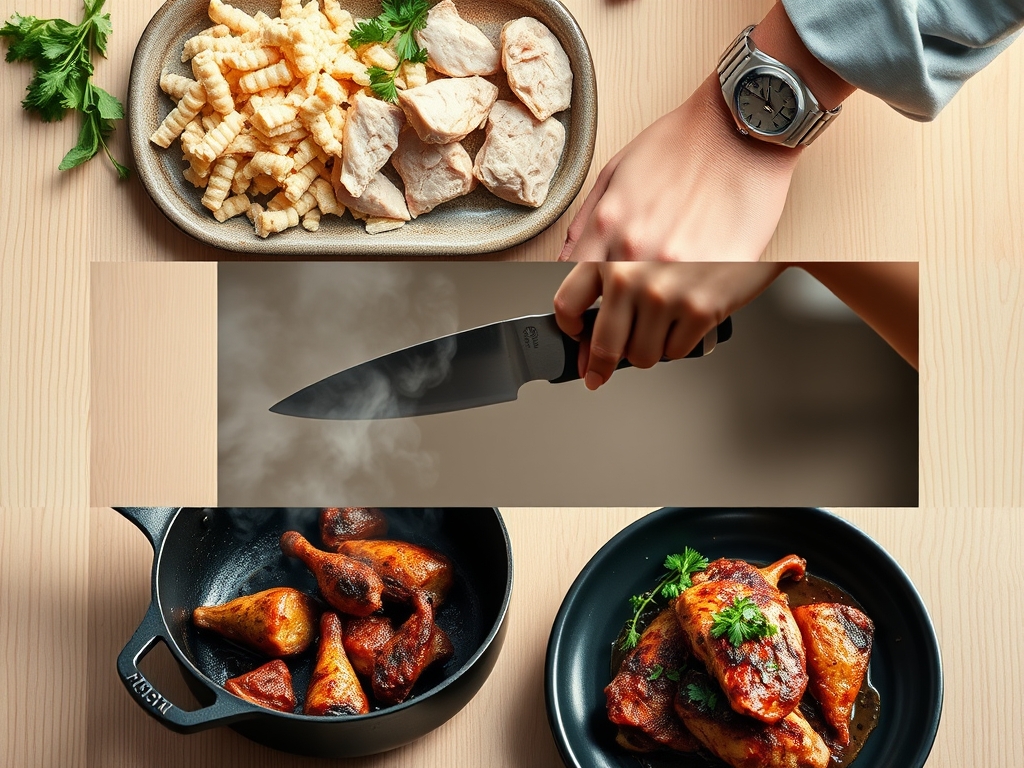
Place your chicken skin-side down in a cold, heavy-bottomed skillet and then turn the heat to medium-high. This allows the fat to render slowly as the pan heats up, resulting in a thinner, crispier skin. Use your tongs to press the meat firmly against the metal to ensure maximum surface contact.
Pro Tip: This technique utilizes the Maillard Reaction, a chemical reaction between amino acids and reducing sugars that creates hundreds of different flavor compounds. By starting cold, you prevent the skin from shrinking too rapidly and trapping unrendered fat underneath.
2. Deglazing for Depth
Once the chicken is browned and removed, you will see brown bits stuck to the bottom of the pan. This is "fond." Pour in a splash of dry white wine or chicken bone broth and use a wooden spoon to scrape those bits up. This is the foundation of every great keto sauce.
Pro Tip: Deglazing is an enthalpy-driven process where the liquid lifts flavor molecules from the pan. These caramelized proteins are packed with umami, providing a savory depth that salt alone cannot achieve.
3. Emulsifying the Sauce
Lower the heat before adding your fats like heavy cream or butter. Whisk constantly in a figure-eight motion. You are looking for a glossy, homogenous liquid that coats the back of a spoon. If the sauce looks oily, add a teaspoon of water and whisk vigorously to re-bind the molecules.
Pro Tip: You are creating a stable emulsion. By keeping the temperature below boiling, you prevent the protein chains in the dairy from clumping, which ensures a silky texture rather than a broken, grainy mess.
4. The Aromatics Infusion
Add your garlic and herbs only in the final minutes of cooking. Use a microplane for the garlic to create a paste that melts into the sauce. This ensures the volatile oils in the herbs are released by the heat without being destroyed by prolonged exposure.
Pro Tip: This is known as lipid-mediated flavor extraction. Many flavor compounds in herbs are fat-soluble, meaning they need the fat in your sauce to "carry" the taste to your taste buds effectively.
5. The Low and Slow Finish
For recipes involving thicker cuts, transfer the skillet to a preheated oven. This ambient heat cooks the chicken from all sides simultaneously, ensuring the center reaches 165 degrees Fahrenheit without burning the exterior. Use a digital scale or meat thermometer to check for accuracy.
Pro Tip: This prevents thermal shock. Gradual temperature increases help the muscle fibers stay relaxed, resulting in a more tender bite.
6. The Acid Brightener
Right before serving, squeeze fresh lemon juice or add a teaspoon of apple cider vinegar. This cuts through the richness of the fats and resets the palate, making each bite feel as fresh as the first.
Pro Tip: Acid acts as a flavor potentiator. It balances the pH of the dish, which physically triggers more saliva production and allows you to perceive complex flavors more intensely.
7. The Rest and Carryover
Remove the chicken from the heat when it hits 160 degrees. Tent it loosely with foil on a warm plate. The internal temperature will continue to rise during the rest, reaching the safe 165 degree mark without drying out the edges.
Pro Tip: This is thermal carryover. The residual heat stored in the outer layers of the meat continues to move toward the cooler center even after the external heat source is removed.
8. The Texture Garnish
Finish your plate with toasted pine nuts, shaved radish, or a sprinkle of flaky sea salt. These elements provide a structural contrast to the soft chicken and creamy sauce, engaging all your sensory receptors.
Pro Tip: Sensory-specific satiety suggests that variety in texture helps you feel more satisfied with your meal, preventing the "boredom" that often leads to overeating on restrictive diets.
The Deep Dive:
When we look at the macro nutrition of these easy keto chicken recipes, we are hitting a golden ratio: approximately 70% fat, 25% protein, and 5% carbohydrates. This metabolic profile encourages the body to remain in ketosis, using ketones for fuel instead of glucose. To keep these numbers tight, always weigh your fats on a digital scale; a "tablespoon" can vary wildly, and those hidden calories add up.
Dietary Swaps:
For a vegan twist on these methods, swap the chicken for firm tofu or oyster mushrooms. Use cashew cream (soaked cashews blended with water) to achieve that viscous sauce texture. If you are strictly gluten free, these recipes are naturally safe, as we avoid all grain-based thickeners.
The Fix-It:
If your sauce breaks (separates into oil and solids), whisk in a splash of cold heavy cream; the cold temperature and fresh emulsifiers can often pull it back together. If your chicken is dry, you likely bypassed the resting phase or used a high-heat method for too long; next time, use a saucier to braise the meat in liquid. If the skin is soggy, your pan wasn't hot enough or you overcrowded the skillet, creating steam instead of a sear.
Meal Prep Science:
To reheat these meals while maintaining "day-one" quality, avoid the microwave. The microwave agitates water molecules, which can toughen the proteins. Instead, use a low oven or a covered skillet with a teaspoon of water. This creates a gentle steam environment that re-hydrates the fibers without overcooking the core.
The Wrap-Up:
Mastering easy keto chicken recipes is about more than just following a list of ingredients; it is about commanding the physics of your kitchen. You now have the technical prowess to sear, deglaze, and emulsify like a professional. These eight methods are your foundation. You can swap lemon for lime, rosemary for cilantro, or cream for pesto. The science remains the same. Go forth, cook with confidence, and remember that the best ingredient in any kitchen is a curious mind and a hot pan.
The Kitchen Table:
How do I get crispy skin on keto chicken?
Start with dry skin by patting it with paper towels. Use a cold pan start to render fat slowly. Avoid overcrowding the skillet to prevent steaming, which softens the skin instead of crisping it.
Can I use chicken breasts for these recipes?
Yes, but monitor the temperature closely. Breasts lack the protective fat and connective tissue of thighs. Cook to an internal temperature of 160 degrees and allow carryover heat to finish the job during the rest.
What is the best way to thicken keto sauces?
Avoid flour or cornstarch. Instead, use reduction (simmering to evaporate water), heavy cream, or a small amount of xanthan gum. Reduction provides the cleanest flavor profile and most natural viscosity for keto meals.
How long does cooked keto chicken last in the fridge?
Stored in an airtight container, it remains fresh for three to four days. For best results, store the sauce and chicken together to keep the meat hydrated during storage and the eventual reheating process.
Why does my chicken feel rubbery?
Rubbery texture usually results from overcooking or cooking too quickly at extreme temperatures. This causes protein fibers to contract tightly and squeeze out moisture. Use a meat thermometer to ensure you hit exactly 165 degrees.