
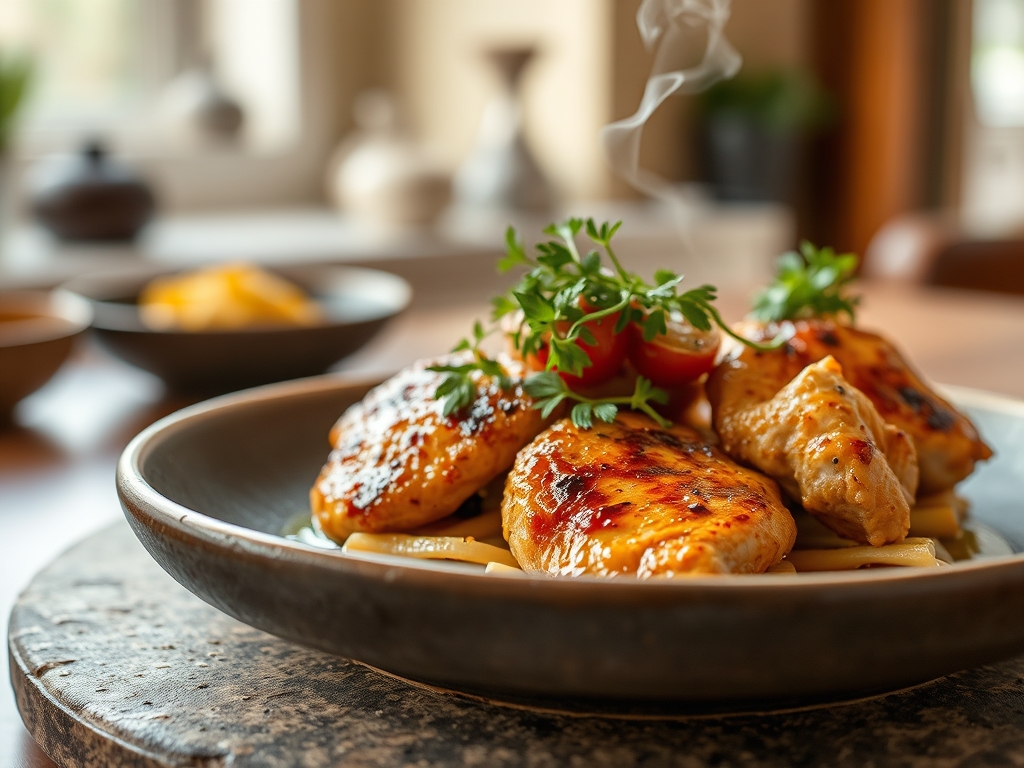
Imagine the scent of kiawe wood smoke drifting through a humid evening breeze while the salty Pacific air clings to your skin. That is the essence of the islands; it is a sensory profile defined by the collision of sweet, salty, and deeply charred notes. When you are hunting for authentic chicken recipes hawaii style, you are looking for more than just a meal. You are looking for the soul of the plate lunch. From the sticky glaze of Huli Huli to the comforting warmth of Long Rice, these dishes represent a cultural mosaic. We are going to master the art of the marinade and the science of the sear to bring that specific aloha spirit into your own kitchen. Whether you are firing up a grill or using a heavy bottomed skillet, these six variations will redefine your weeknight rotation.
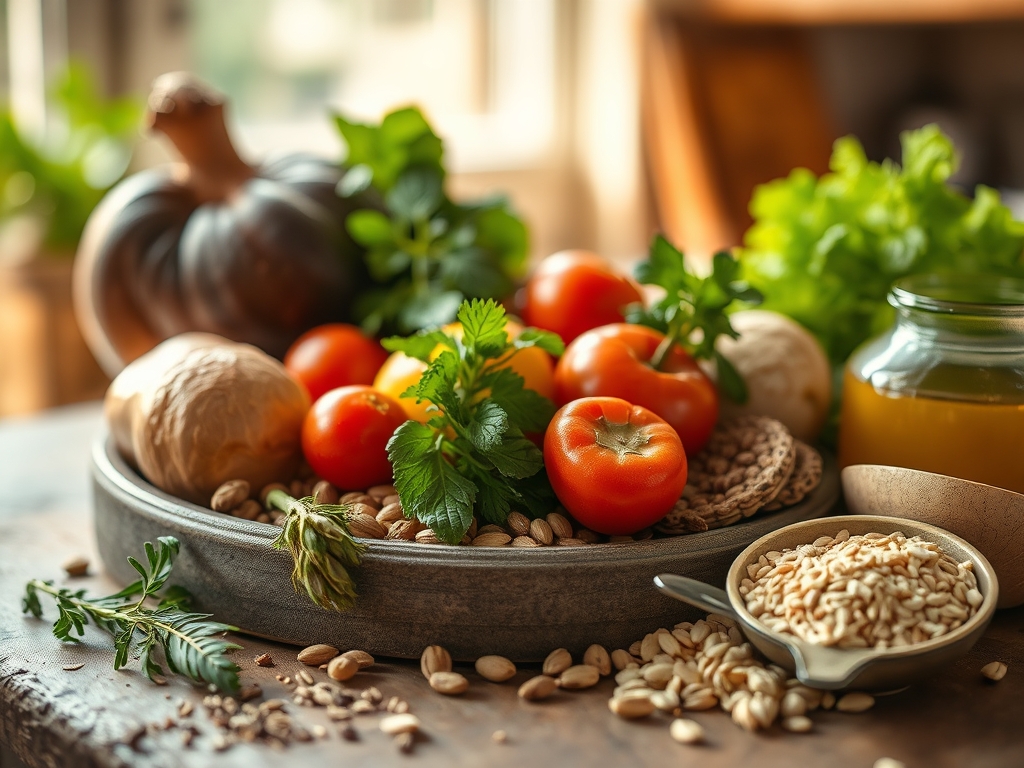
The Gathers:
To achieve that signature flavor profile, your mise en place must be precise. We are looking for high sugar content to facilitate the Maillard reaction, balanced by high acidity to tenderize the muscle fibers. You will need a digital scale to ensure your ratios of soy sauce to brown sugar are exact.
The Essentials:
- Aromatics: Fresh ginger and garlic are non negotiable. Use a microplane to grate them into a fine paste; this increases the surface area and allows the juices to infuse the marinade more rapidly.
- The Sweetener: Traditional recipes utilize dark brown sugar or local honey. The molasses in brown sugar provides a deeper color and a more viscous texture during reduction.
- The Acid: Pineapple juice contains bromelain, a powerful enzyme that breaks down protein chains. Be careful not to marinate for more than four hours, or the texture will become mushy.
- The Fat: Neutral oils with high smoke points, like grapeseed or avocado oil, are vital for achieving a crisp skin without scorching.
Smart Substitutions:
If you are watching your sodium, coconut aminos offer a similar piquant depth to soy sauce but with a lower glycemic index. For those who cannot find fresh guava nectar for a glaze, a high quality apricot preserve thinned with a splash of apple cider vinegar creates a similar tart sweetness.
The Clock
Efficiency in the kitchen is about "Chef's Flow." This is the practice of overlapping tasks so that no time is wasted. For these chicken recipes hawaii favorites, total active time is usually 30 minutes, with a passive marination time of 2 to 4 hours.
Preparation (20 Minutes): Use a bench scraper to organize your chopped aromatics. This is when you whisk your sauces in a saucier to ensure all sugars are fully dissolved before they hit the heat.
Cooking (15 to 40 Minutes): Thighs take longer than breasts because of the higher fat content and connective tissue. We are aiming for an internal temperature of 165 degrees Fahrenheit.
The Flow: While the chicken marinating, prepare your mac salad and white rice. The rice needs time to aerate and steam, while the mac salad benefits from a cold rest in the fridge to allow the flavors to marry.
The Masterclass
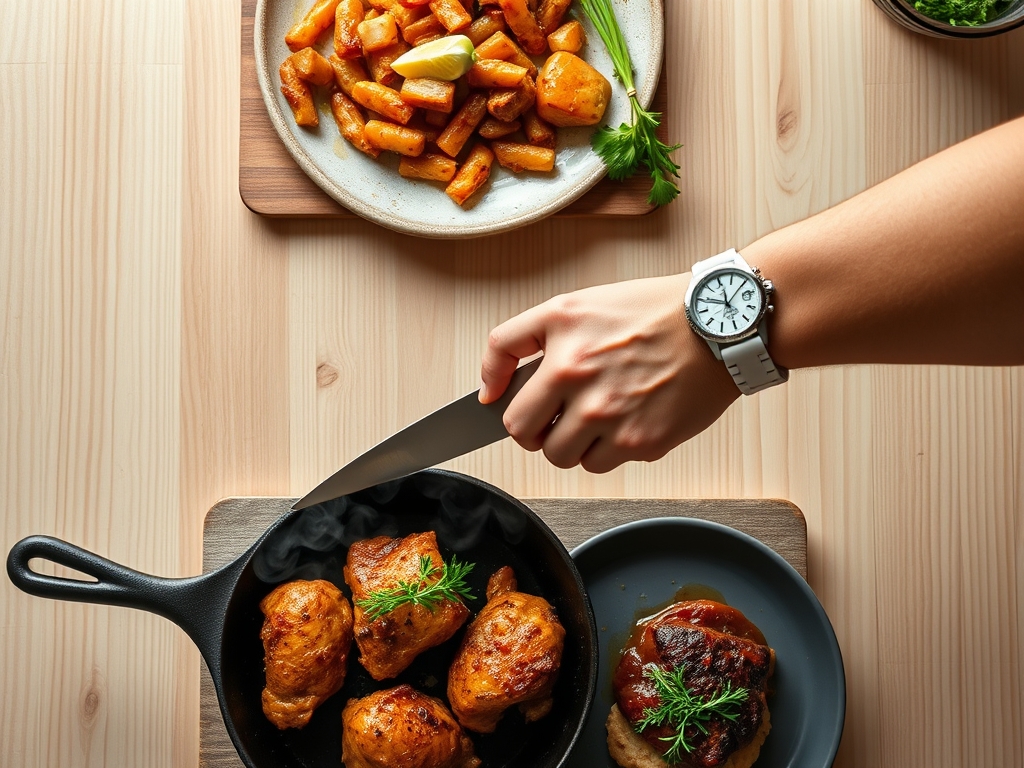
1. The Huli Huli Rotisserie Method
The term "Huli" means to turn. If you do not have a rotisserie, use tongs to flip the meat every five minutes. This constant motion creates a self basting effect, where the rendering fat coats the exterior and prevents the meat from drying out.
Pro Tip: This frequent turning encourages enzymatic browning across the entire surface. By constantly moving the protein, you prevent the sugars in the glaze from reaching their burning point while still achieving a deep mahogany hue.
2. Shoyu Chicken Braise
In a heavy bottomed skillet, combine soy sauce, ginger, and star anise. Submerge bone-in thighs and simmer until the liquid reduces into a thick syrup. The bone marrow adds a rich, savory depth to the sauce that boneless cuts simply cannot replicate.
Pro Tip: Maintain a gentle simmer rather than a rolling boil. This prevents the proteins from tightening too quickly, ensuring the meat remains "fall apart" tender through collagen conversion.
3. Chicken Long Rice Hydration
This is Hawaii's version of chicken soup. You must soak your bean thread noodles in warm water before adding them to the pot. Use a fine mesh strainer to clarify your broth for a professional, translucent finish.
Pro Tip: Add the noodles at the very end of the process. They are highly absorbent and will soak up the umami rich broth; if left too long, they will lose their structural integrity and become overly soft.
4. Mochiko Chicken Fry
This is the ultimate crispy treat. Coat bite-sized pieces in a batter of mochiko (sweet rice flour) and cornstarch. Use a digital thermometer to keep your frying oil at a steady 350 degrees Fahrenheit.
Pro Tip: The rice flour creates a gluten free barrier that stays crispy even when cold. This is due to the high starch content which undergoes gelatinization and then dehydrates rapidly in the hot oil.
5. Guava Glazed Roast
Brush a concentrated guava reduction over skin-on drumsticks. The acidity of the fruit cuts through the richness of the dark meat perfectly.
Pro Tip: Apply the glaze during the last 10 minutes of roasting. This avoids the "sugar burn" and utilizes thermal carryover to set the glaze into a tacky, glass-like finish as the meat rests.
6. Pulehu (Grilled) Ginger Chicken
Pulehu refers to cooking over hot coals. Use a silicone basting brush to apply a simple ginger and Hawaiian sea salt rub. The goal here is a clean, smoky flavor that highlights the quality of the poultry.
Pro Tip: Pat the chicken extremely dry with paper towels before grilling. Removing surface moisture is essential for the Leidenfrost effect, preventing the meat from sticking to the grates.
The Deep Dive
Macro Nutrition:
A standard serving of Hawaiian chicken (approx. 6oz) provides roughly 35g of protein. While the glazes add carbohydrates, you can balance the plate with a double serving of "toss salad" instead of the traditional scoop of white rice.
Dietary Swaps:
- Vegan: Use extra firm tofu pressed with a weight to remove moisture, then follow the Shoyu braise method.
- Keto: Replace brown sugar with an erythritol based sweetener and use xanthan gum to thicken the sauces.
- GF: Ensure your soy sauce is replaced with Tamari or liquid aminos.
The Fix-It:
- Burnt Glaze: If the sugar catches, deglaze the pan immediately with a splash of water or pineapple juice to lift the bitter solids.
- Dry Breast Meat: If you overcook the white meat, shred it and toss it in extra warm sauce to rehydrate the fibers via capillary action.
- Rubbery Skin: This usually happens due to low heat. Finish the chicken under a broiler for 2 minutes to render the remaining subcutaneous fat.
Meal Prep Science:
When reheating, avoid the microwave if possible. Use a toaster oven to maintain the crispness of fried items. For braised dishes, adding a teaspoon of water before heating creates a mini steam chamber that preserves the moisture.
The Wrap-Up
Bringing the flavors of the islands into your home is all about balancing the intensity of the heat with the sweetness of the land. By understanding the chemistry of your marinades and the physics of your pan, you can recreate that iconic plate lunch experience anywhere in the world. Now, grab your tongs, fire up the stove, and let the aroma of ginger and soy fill your kitchen. It is time to eat!
The Kitchen Table
Why is my Hawaiian chicken skin not crispy?
The skin likely had too much moisture or the pan was not hot enough. To fix this, pat the chicken dry and ensure the fat is rendered over medium high heat before adding any sugar based glazes.
Can I use chicken breasts instead of thighs?
Yes, but breasts dry out faster. Reduce the cooking time and use a digital thermometer to pull them at 160 degrees Fahrenheit; thermal carryover will bring them to the safe 165 degree mark while resting.
What is the secret to the red color in Huli Huli chicken?
Traditional recipes often use ketchup or a touch of tomato paste. The lycopene and sugars in the tomato provide that iconic red hue and help the sauce caramelize beautifully under high heat.
How long can I marinate chicken in pineapple juice?
Do not exceed four hours. The enzyme bromelain in pineapple juice is a powerful meat tenderizer. If left too long, it will over-process the proteins and turn the texture of the chicken mushy and unappealing.