
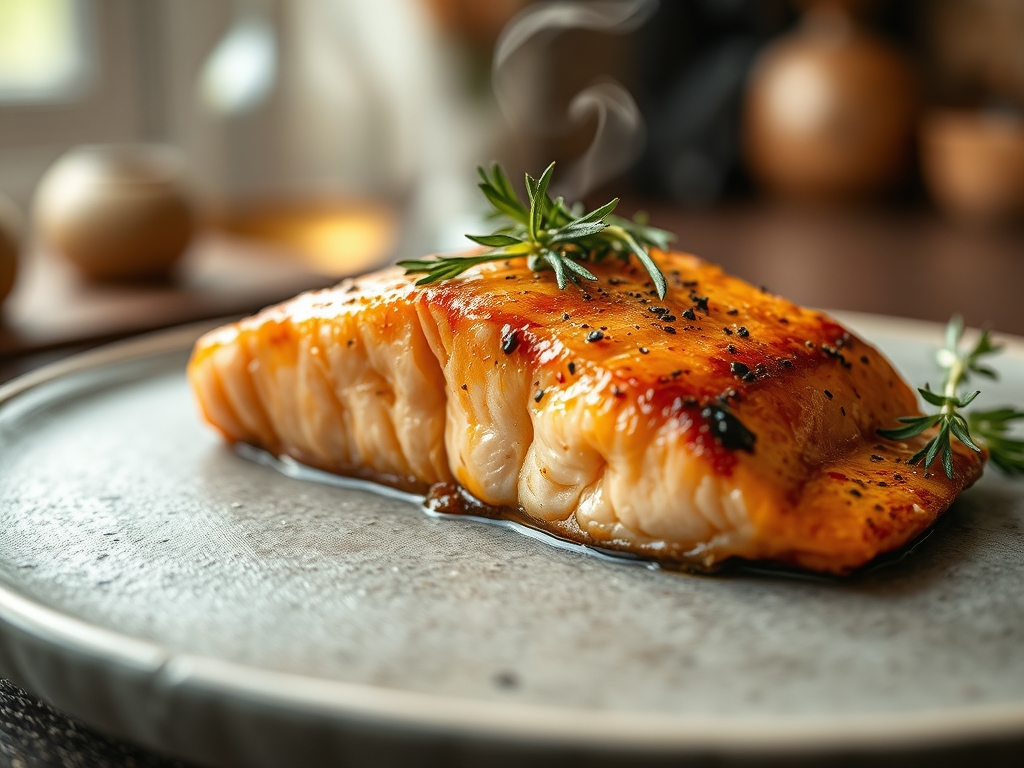
The kitchen is the ultimate theater of sensory persuasion; especially when you are dealing with a skeptic who treats a piece of fish like a suspicious package. We have all been there. You want the heart-healthy benefits of Omega-3s, but they are stuck on the "fishy" smell and the "mushy" texture. To bridge that gap, you need a culinary strategy that prioritizes texture and bold, familiar flavors. These salmon recipes for picky eaters are designed to transform the most stubborn critics into enthusiasts by utilizing high-heat searing and bright, acidic glazes that neutralize the marine scents.
Forget the days of sad, steamed fillets that crumble into a watery mess. We are talking about gold-standard techniques that create a potato-chip-crisp skin and a buttery, flake-apart interior. By treating salmon like a high-end steak, we tap into the universal love for the Maillard reaction. We are going to deconstruct the salmon experience, removing the "ocean" vibes and replacing them with a piquant, caramelized crust that rivals any restaurant dish. Grab your apron; we are about to make fish the most requested meal of the week.
The Gathers:
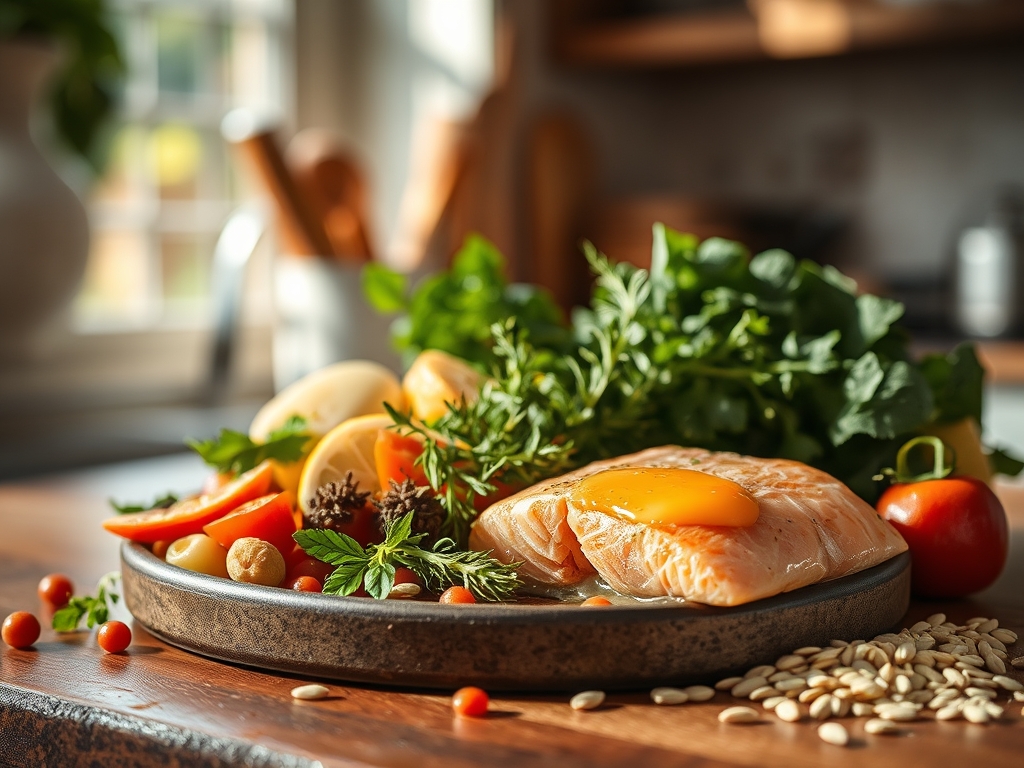
To win this battle, your mise-en-place must be precise. Start with Center-Cut Atlantic or King Salmon fillets. These cuts are thicker and more uniform, which ensures even heat distribution across the protein fibers. You will need a high-smoke-point fat like Grapeseed oil or clarified butter; standard olive oil will smoke and turn bitter before the skin reaches maximum crunch.
For the flavor profile, gather fresh aromatics: garlic cloves for infusing the fat, a knob of ginger to provide a sharp, clean bite, and a handful of fresh parsley. The "Secret Weapon" for picky eaters is a viscous glaze made from honey, low-sodium soy sauce, and a splash of rice vinegar. This creates a sweet-savory coating that masks the natural oils of the fish.
Smart Substitutions:
If your diner is sensitive to soy, use Coconut Aminos for a similar umami depth with less sodium. If they despise the "skin-on" look, you can remove the skin and use a Panko-Parmesan crust to provide that essential crunch. For a keto-friendly version, swap the honey for a monk fruit sweetener to keep the glycemic index low while maintaining that sticky, lacquered finish.
The Clock
Efficiency in the kitchen is about Chef's Flow, the art of overlapping tasks so no heat is wasted. Your total preparation time is 15 minutes, while the active cooking time is a swift 10 to 12 minutes.
The flow begins with tempering the fish. Taking the salmon out of the refrigerator 20 minutes before cooking is non-negotiable. Cold fish hitting a hot pan causes the muscle fibers to seize, resulting in a tough, rubbery texture. While the fish tempers, you prep your glaze and aromatics. This ensures that the moment the salmon is rendered and flipped, your sauce is ready to be deglazed into the pan.
The Masterclass
1. The Desiccation Ritual
Pat the salmon fillets bone-dry with paper towels. Moisture is the enemy of the sear; any water on the surface will turn to steam, preventing the skin from crisping. Season aggressively with kosher salt from a height to ensure even coverage.
Pro Tip: This is the science of surface evaporation. By removing external moisture, the heat of the pan can immediately begin the Maillard reaction, which is the chemical dance between amino acids and reducing sugars that creates savory depth.
2. The High-Heat Engagement
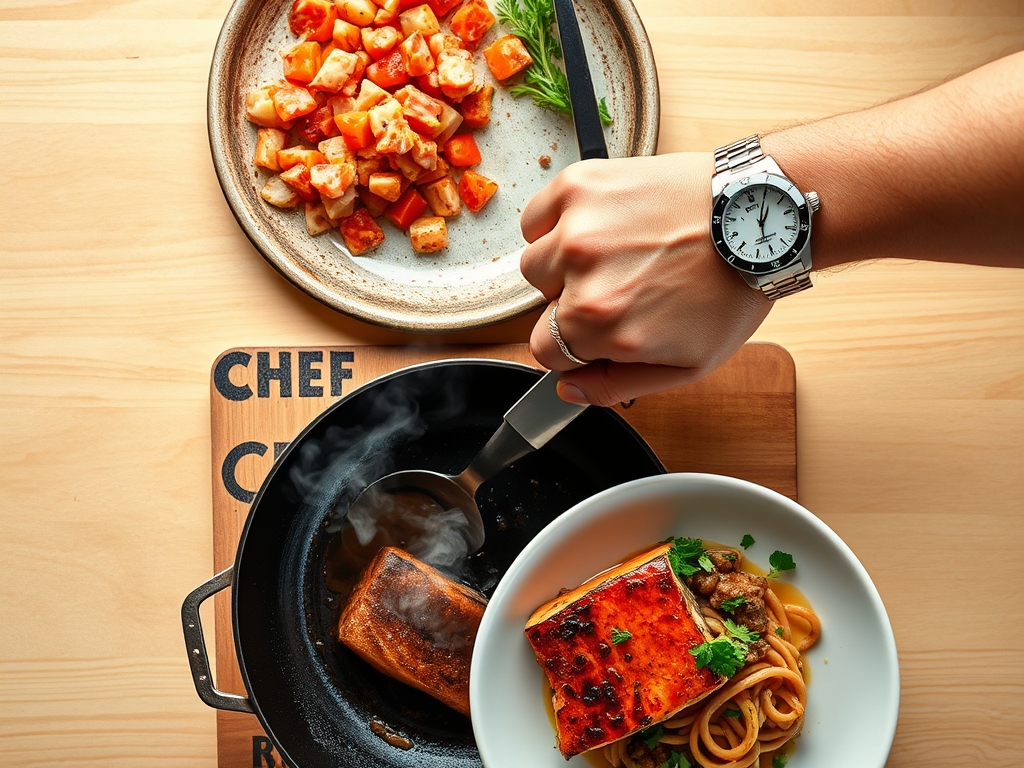
Heat a heavy-bottomed skillet (cast iron or stainless steel is best) over medium-high heat until the oil shimmers. Place the salmon skin-side down. Use a fish spatula to press firmly on each fillet for 30 seconds. This prevents the skin from curling as the proteins contract.
Pro Tip: This prevents the "insulation gap." By pressing the fish down, you ensure total contact with the heat source, leading to a uniform, glass-like crunch rather than a soggy underside.
3. The Gentle Render
Lower the heat to medium. Let the salmon cook undisturbed for about 6 to 7 minutes. You will see the color change creep up the side of the fillet. When it is 70 percent cooked, it is time to flip. The skin should release easily from the pan; if it sticks, it is not ready.
Pro Tip: This utilizes thermal conduction. By cooking mostly on the skin side, you protect the delicate flesh from direct heat, keeping it moist while the skin fat renders into a natural frying medium.
4. The Aromatic Infusion
Flip the fillets gently with your tongs. Toss in a tablespoon of butter, smashed garlic, and thyme. Tilt the pan and use a large spoon to baste the hot, bubbling butter over the salmon for the final 2 minutes.
Pro Tip: This is convection basting. The hot fat carries the fat-soluble compounds from the garlic and herbs into the crevices of the fish, adding a layer of sophisticated flavor that hides any lingering "fishiness."
5. The Glaze and Deglaze
Pour your prepared honey-soy mixture into the pan. It will bubble violently as it hits the hot metal. Use a silicone whisk or spoon to swirl the sauce as it reduces into a thick, syrupy consistency that coats the back of a spoon.
Pro Tip: This is reduction science. As the water evaporates from the sauce, the flavors concentrate and the sugars begin to caramelize, creating a piquant finish that provides the perfect "entry point" for picky eaters.
The Deep Dive
Macro Nutrition:
A standard 6-ounce serving of this salmon provides roughly 34 grams of high-quality protein and 15 grams of healthy fats. It is a powerhouse of Vitamin B12 and Selenium, which are essential for cognitive function and metabolic health.
Dietary Swaps:
For a Vegan alternative, use this same glaze on "Tofu Steaks" or thick slices of cauliflower. For Keto fans, replace the honey with Allulose and serve alongside roasted asparagus. To keep it Gluten-Free, ensure your soy sauce is replaced with Tamari.
The Fix-It:
- White Stuff Oozing Out: This is albumin, a protein that escapes when fish is cooked too fast or too high. Solution: Lower your heat and don't overcook.
- Soggy Skin: The pan wasn't hot enough or the fish was wet. Solution: Use a digital scale to ensure your fillets are of equal weight for even cooking and always pat dry.
- Internal Rawness: If the outside is dark but the inside is cold, use a digital thermometer. You are looking for an internal temperature of 125 degrees Fahrenheit for medium-rare.
Meal Prep Reheating:
To maintain "day-one" quality, never microwave salmon. The high frequency toughens the proteins. Instead, reheat in a 300-degree oven with a splash of water and a foil cover to aerate the environment and prevent dehydration.
The Wrap-Up
Mastering salmon recipes for picky eaters is about more than just a meal; it is about changing the narrative of what healthy food can taste like. When you utilize a microplane to zest fresh lemon over the finished plate or use a bench scraper to keep your station clean, you are cooking with the intentionality of a pro. This recipe removes the intimidation factor and replaces it with a crave-worthy, restaurant-quality experience. Go ahead, serve it up and watch the skeptics ask for seconds.
The Kitchen Table
How do I get rid of the fishy smell?
Soak the raw salmon in milk for 20 minutes before cooking. The casein in milk binds to trimethylamine, the compound responsible for the fishy odor, and washes it away. Always pat the fish dry after the soak.
Can I use frozen salmon for picky eaters?
Yes, but thaw it slowly in the refrigerator. Flash-thawing in warm water damages the cell walls, leading to a mushy texture. Once thawed, treat it exactly like fresh fish, ensuring you remove all excess moisture before searing.
What is the best side dish for salmon?
For picky eaters, pair it with something familiar like garlic mashed potatoes or a crisp honey-mustard slaw. The creaminess of potatoes or the crunch of a slaw provides a textural contrast that makes the meal more approachable.
How do I know when the salmon is done?
Use a fork to gently press the top of the fillet. If the flesh flakes easily along the natural white lines (the fat layers), it is done. Ideally, use a thermometer to reach 125-130 degrees Fahrenheit for a buttery texture.