
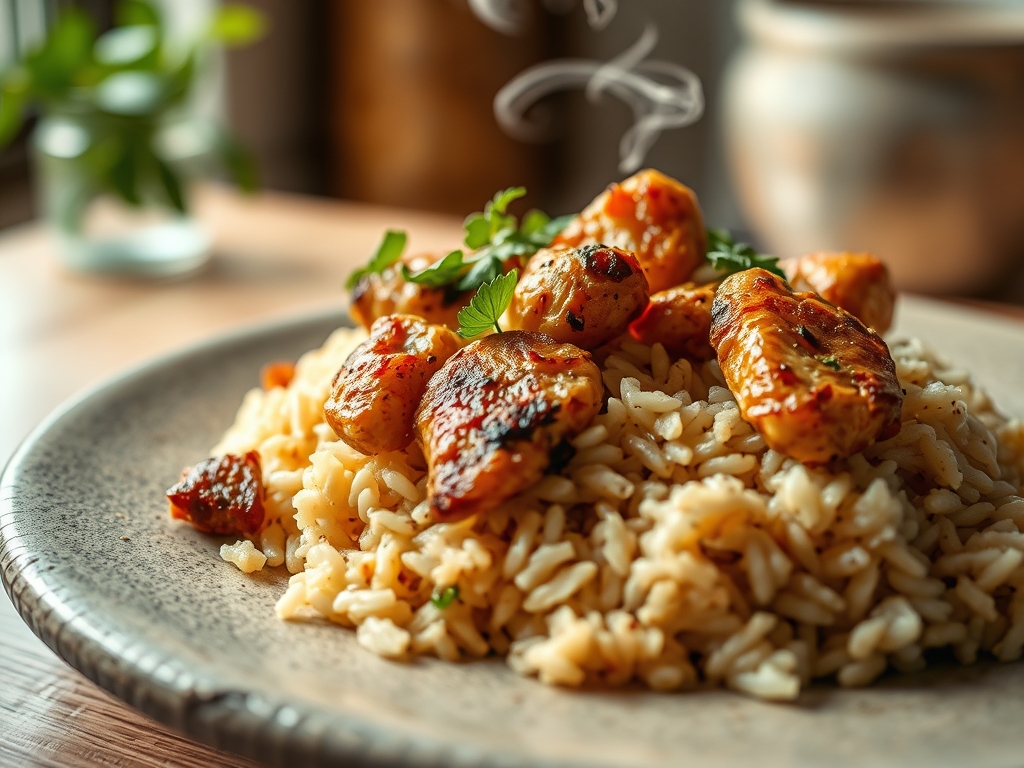
Steam rises from the microwave in a sad, gray cloud as you stare at that plastic container of yesterday's dinner. We have all been there. However, your fridge is actually a goldmine of potential energy. Transforming leftover rice and chicken recipes into gourmet experiences is not just about reheating; it is about molecular restructuring. When rice sits overnight, it undergoes a process called starch retrogradation. The amylose molecules rearrange into a crystalline structure that creates the perfect, firm grain for high-heat frying. Your chicken, likely a bit dry from its first encounter with the oven, is ready to be re-hydrated through clever emulsification and fat-rendering techniques. We are moving beyond the "sad desk lunch" and into the realm of culinary alchemy. By understanding the physics of heat transfer and the chemistry of the Maillard reaction, we can turn these humble remainders into ten distinct, vibrant masterpieces. From crispy Persian-style tahdig to piquant Thai-inspired stir-fries, your kitchen is about to become a laboratory of flavor. Let us stop treating leftovers like a chore and start treating them like a head start on greatness.
The Gathers:
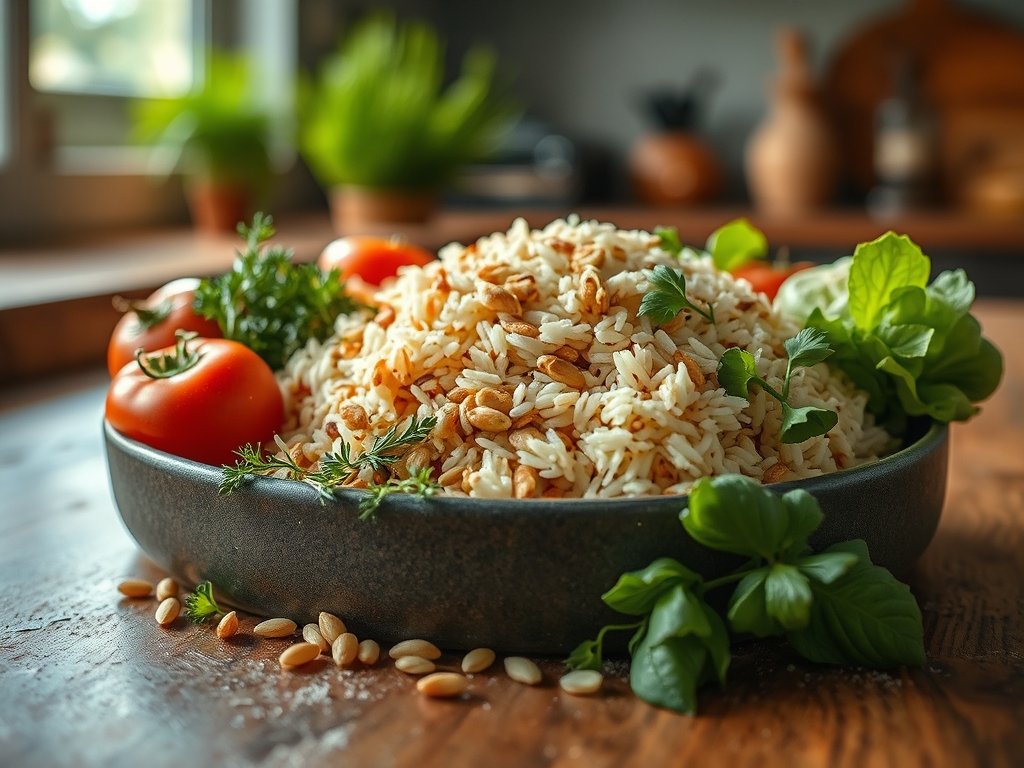
To execute these leftover rice and chicken recipes, your mise-en-place must be precise. Gather your chilled long-grain or jasmine rice, ensuring it is broken into individual grains rather than clumps. Your pre-cooked chicken should be shredded or cubed into uniform 1-centimeter pieces to ensure even thermal distribution. You will need a high-smoke-point lipid, such as refined avocado oil or clarified butter (ghee), to facilitate searing without acridity.
For the flavor profile, assemble aromatics including minced ginger, garlic, and scallions. The viscous elements are crucial: have high-quality soy sauce, toasted sesame oil, and perhaps a splash of mirin for acidity. Use a microplane to zest citrus or grate ginger directly into your heavy-bottomed skillet to preserve volatile oils.
Smart Substitutions: If you are out of soy sauce, a dash of Worcestershire or liquid aminos provides that essential umami depth. No fresh ginger? A pinch of ground ginger can work, though it lacks the sharp, enzymatic bite of the fresh root. If your rice is too mushy, spread it on a sheet pan and blast it in a 400-degree oven for five minutes to dehydrate the surface before you begin the stir-fry process.
The Clock
Efficiency in the kitchen is governed by the Chef's Flow, a sequence that minimizes downtime. For most of these transformations, the total Prep Time is 10 minutes, while the Cook Time is 12 to 15 minutes.
The flow begins with the "Cold Prep": chopping aromatics and prepping the protein while the skillet preheats. Never add ingredients to a cold pan. The "Active Phase" involves the high-heat searing of the rice to achieve pellicle formation (that crispy outer layer). Finally, the "Resting Phase" allows the residual heat to warm the chicken through without overcooking the delicate muscle fibers. By following this 25-minute cycle, you ensure that the texture remains professional rather than soggy.
The Masterclass
1. The High-Heat Sear
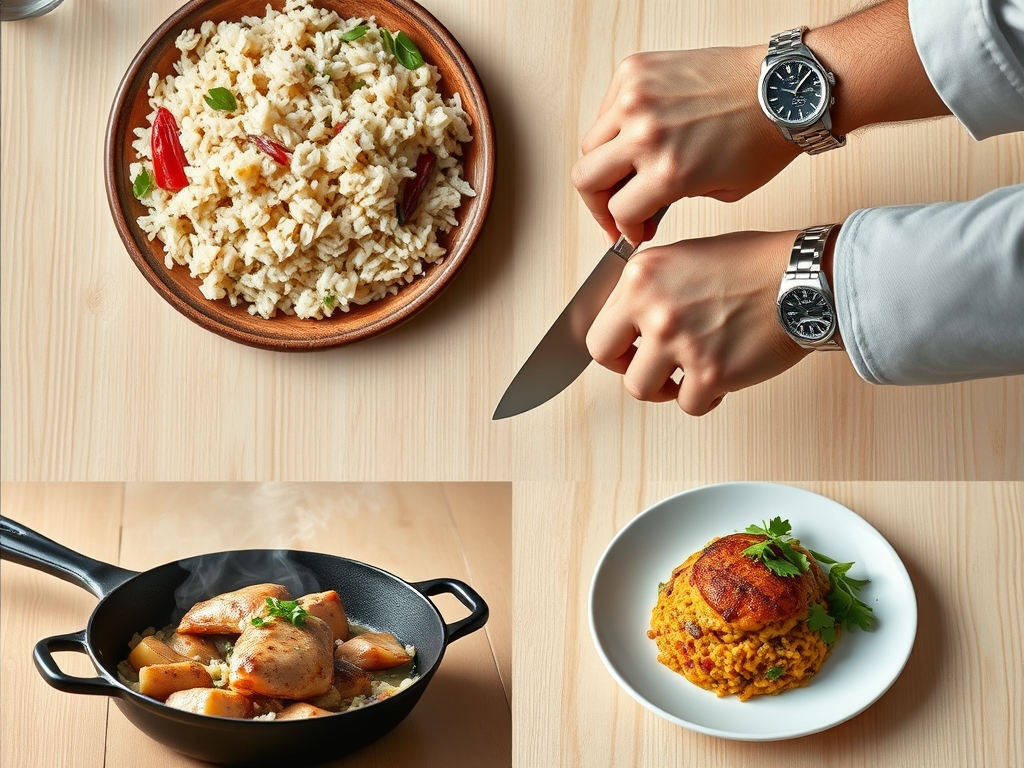
Place your heavy-bottomed skillet over medium-high heat until the oil shimmers. Add the rice in a single layer, resisting the urge to stir immediately.
Pro Tip: This patience allows for the Maillard reaction, a chemical reaction between amino acids and reducing sugars that gives browned food its distinctive flavor. If you move the rice too soon, you lose the opportunity for that golden crust.
2. Deglazing for Depth
Once the rice is toasted, push it to the perimeter and add your chicken and aromatics to the center. As bits of protein stick to the pan, pour in a tablespoon of rice vinegar or chicken stock to deglaze.
Pro Tip: This process captures the fond, those caramelized browned bits stuck to the bottom of the pan, and redistributes that concentrated flavor back into the rice grains.
3. The Emulsion Phase
Whisk a single egg with a drop of sesame oil and pour it over the rice. Use your tongs or a silicone spatula to fold the egg rapidly through the mixture until every grain is coated.
Pro Tip: This creates a temporary emulsion, where the egg fat and moisture bind to the starch. The rapid movement prevents the egg from scrambling into large chunks, resulting in a silky, restaurant-quality mouthfeel.
4. Infusing the Aromatics
Add your fresh herbs and citrus zest at the very end of the cooking process, just before removing the pan from the heat source.
Pro Tip: Many flavor compounds in herbs like cilantro or basil are thermolabile, meaning they break down and lose their punch when exposed to prolonged heat. Adding them last ensures a vibrant, fresh finish.
The Deep Dive
Macro Nutrition: A standard serving of these leftover rice and chicken recipes provides approximately 350 to 450 calories. You are looking at a balanced ratio of 25g protein, 45g complex carbohydrates, and 12g healthy fats. To lower the glycemic index, incorporate more fibrous vegetables like bok choy or shredded carrots.
Dietary Swaps: For a Vegan version, swap chicken for pressed extra-firm tofu and use a "flax egg" or omit the egg entirely. For Keto enthusiasts, replace the rice with riced cauliflower; however, note that cauliflower has a much higher water content, so you must sauté it longer to evaporate moisture. For Gluten-Free needs, ensure your soy sauce is replaced with Tamari.
The Fix-It:
- Mushy Rice: If the dish becomes a "glop," spread it on a baking sheet and broil for 3 minutes to crisp the top.
- Dry Chicken: If the protein feels like sawdust, toss it in a small amount of velveting liquid (cornstarch and water) before adding it to the pan.
- Bland Flavor: If the dish lacks "pop," it likely needs acid. A squeeze of lime or a teaspoon of rice vinegar will brighten the heavy starches.
Meal Prep Science: When reheating for the next day, add a teaspoon of water to the container and cover it loosely. This creates a steam chamber that re-hydrates the retrograded starch, making the rice fluffy again instead of hard and pebble-like.
The Wrap-Up
Mastering leftover rice and chicken recipes is truly the ultimate kitchen flex. It is the intersection of sustainability and gourmet execution. By using tools like the heavy-bottomed skillet and techniques like deglazing, you have transformed a cold container of white grains into a complex, textural triumph. Remember: the kitchen is your playground, and science is your best friend. Now, grab those chopsticks and enjoy the fruits of your molecular labor!
The Kitchen Table
How do I stop leftover rice from being clumpy?
Rinse rice before its initial cook to remove excess surface starch. Once cold, use a bench scraper or wet hands to gently break apart clumps before adding them to a hot, oiled skillet for maximum grain separation.
Is it safe to reheat rice and chicken twice?
Yes, provided you heat the mixture to an internal temperature of 165 degrees Fahrenheit. Use a digital thermometer to verify. Ensure the food was cooled quickly after the first cook to prevent bacterial proliferation.
What is the best oil for frying rice?
Use oils with a high smoke point like avocado, peanut, or grapeseed oil. These fats can withstand the intense heat required for the Maillard reaction without breaking down into bitter, smoky compounds that ruin the flavor.
Can I use freshly cooked rice for these recipes?
Fresh rice contains too much moisture, which leads to a gummy texture. If you must use fresh, spread it on a tray and place it in front of a fan for 20 minutes to dehydrate the exterior.