
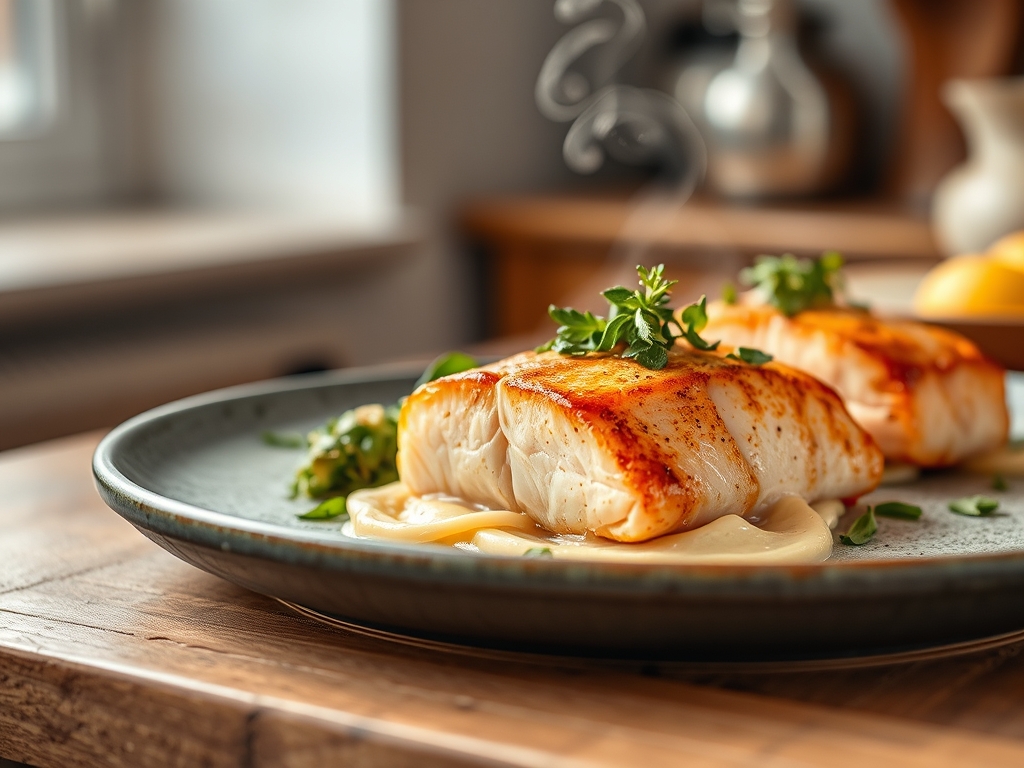
Imagine a pristine fillet of Atlantic salmon resting on your counter; its flesh is a vibrant coral, marbled with delicate white lines of intramuscular fat. You have mastered the sear, achieving that coveted glass-like skin and a translucent, buttery center, but now you face the ultimate culinary crossroads. A masterpiece requires a frame, and finding the perfect sides for salmon recipes is about more than just filling a plate; it is about chemical harmony. We are looking for acidity to cut through the rich omega-3 fatty acids, crunch to contrast the tender protein, and earthy undertones to ground the natural sweetness of the fish. Whether you are hosting a candlelit dinner or a frantic Tuesday night meal, these seven elevated companions transform a simple piece of seafood into a three-star experience. We are moving beyond the soggy steamed broccoli of yesteryear. Today, we dive into the molecular magic of charred brassicas, emulsified vinaigrettes, and starch structures that absorb flavor like a sponge.
The Gathers:
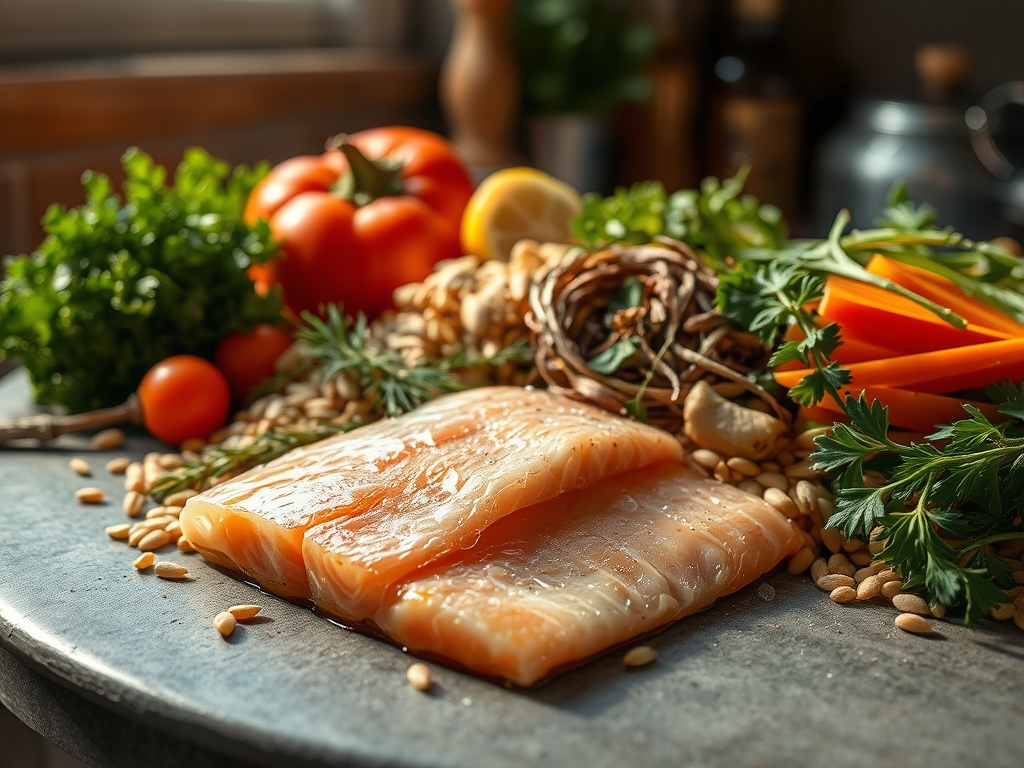
To execute these sides for salmon recipes with precision, your mise-en-place must be impeccable. We are targeting a spectrum of textures from fibrous to creamy. Gather your aromatics first: fresh dill, flat-leaf parsley, and chives contain volatile oils that dissipate quickly, so keep them bundled in damp paper towels. For the acid profile, select heavy lemons for their high juice-to-pith ratio and a bottle of high-quality champagne vinegar with a 6 percent acidity level.
The starches require specific attention to detail. If you are opting for grains, choose pearl couscous for its large surface area or black forbidden rice for its anthocyanin-rich hull. For the vegetables, look for "snap" in your asparagus and tight curd structures in your cauliflower.
Smart Substitutions:
If you lack a saucier for delicate reductions, a small heavy-bottomed saucepan will suffice, though you must whisk more vigorously to prevent scorching. Out of shallots? Use the white parts of green onions to maintain that allium bite without the aggression of a red onion. If you are avoiding dairy, a high-quality tahini offers a viscous mouthfeel similar to heavy cream when emulsified with lemon juice and warm water.
The Clock:
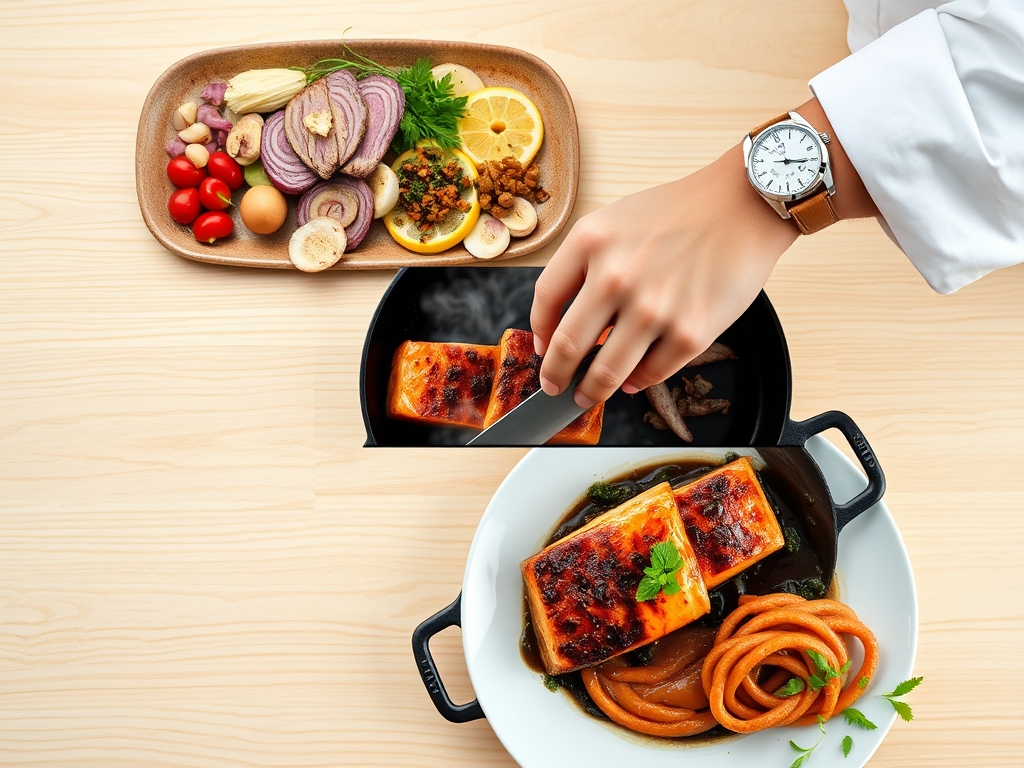
Efficiency in the kitchen is governed by "Chef's Flow," the art of overlapping tasks so that everything hits the plate at its thermal peak. The total active prep time for these seven sides is approximately 25 minutes, with cook times ranging from 8 to 20 minutes.
Start by prepping your cold components first; the salads and slaws benefit from a 15-minute rest to allow the salt to break down cell walls via osmosis, seasoning the vegetables from within. While the salmon rests (a non-negotiable five-minute period to allow juices to redistribute), you will perform the high-heat tasks like searing asparagus or deglazing a pan. This sequence ensures your "hot" sides are sizzling while the fish remains at a perfect 125 degree internal temperature.
The Masterclass:
1. Blistered Asparagus with Lemon Gremolata
Start by trimming the woody ends of the asparagus using a bench scraper for a clean, uniform cut. Heat a heavy-bottomed skillet until it reaches the smoke point of your oil, then toss the stalks in a single layer.
Pro Tip: This high-heat method triggers the Maillard reaction, creating savory flavor compounds through the reaction of amino acids and reducing sugars. Do not crowd the pan, or you will cause the vegetables to steam rather than sear.
2. Honey-Miso Glazed Carrots
Whisk white miso paste with honey and a splash of mirin in a small bowl. Roast heirloom carrots at 400 degrees Fahrenheit until tender, then brush with the glaze during the final three minutes.
Pro Tip: Miso is a fermented paste rich in glutamates, which provide an "umami" punch that complements the fatty profile of the salmon. The sugars in the honey will caramelize quickly, so watch for a deep amber color.
3. Pearl Couscous with Toasted Pine Nuts
Toast the dry couscous in a dry pan until fragrant before adding simmering vegetable stock. Once cooked, fold in toasted pine nuts and a handful of chopped herbs.
Pro Tip: Toasting the grains initiates a dextrinization process, which breaks down starches into smaller, tastier molecules and prevents the pearls from becoming a gummy mass.
4. Shaved Fennel and Citrus Salad
Use a mandoline to shave fennel bulbs into paper-thin ribbons. Toss with grapefruit segments and a drizzle of extra virgin olive oil.
Pro Tip: Fennel contains anethole, a compound that provides a licorice-like aroma. The citric acid in the grapefruit acts as a "chemical cook," softening the tough fibers of the fennel through acidic denaturing.
5. Garlic-Smashed Baby Potatoes
Boil baby Yukon Golds until fork-tender, smash them flat with a heavy glass, and fry in a skillet with clarified butter and crushed garlic.
Pro Tip: Sashing the potato increases the surface area exposed to the fat. This maximizes the dehydration of the exterior starch, resulting in a glass-like crunch while the interior remains fluffy.
6. Creamy Polenta with Parmesan
Slow-cook cornmeal in a ratio of 4:1 liquid to grain, finishing with a generous knob of butter and grated parmesan using a microplane.
Pro Tip: Constant whisking helps to aerate the polenta and ensures the starch granules swell evenly (gelatinization). This creates a luxurious, velvet-like bed for your salmon.
7. Sautéed Kale with Toasted Garlic Chips
Thinly slice garlic cloves and fry them in olive oil until golden. Remove the chips, then toss the kale into the infused oil until wilted.
Pro Tip: Garlic contains alliin and allinase, which combine to form allicin when cut. Slicing them into "chips" allows you to control the bitterness while infusing the oil with a deep, toasted aroma.
The Deep Dive:
Macro Nutrition: These sides for salmon recipes are designed to be nutritionally dense. Most options hover between 150 to 300 calories per serving. The greens provide essential Vitamin K and folate, while the starches offer complex carbohydrates for sustained energy.
Dietary Swaps: For a Keto profile, swap the couscous for riced cauliflower and the honey in the carrots for an allulose-based sweetener. For Vegan guests, use nutritional yeast in the polenta for a cheesy flavor and replace butter with a high-quality avocado oil. All recipes are naturally Gluten-Free except for the couscous; simply substitute with quinoa or buckwheat groats.
The Fix-It:
- Soggy Vegetables: This usually happens due to overcrowding. If the pan looks full, cook in batches to ensure moisture evaporates instantly.
- Broken Vinaigrette: If your dressing separates, whisk in a teaspoon of Dijon mustard. The mustard acts as a surfactant, binding the oil and vinegar into a stable emulsion.
- Bitter Garlic: If your garlic chips turn dark brown, they are burnt and will taste acrid. Toss them and start over; the oil will carry that bitterness into the entire dish.
Meal Prep: To maintain "day-one" quality, store components separately. Reheat starches with a tablespoon of water to re-hydrate the grains. For the roasted vegetables, use an air fryer or a hot oven for three minutes to restore the crisp texture rather than the microwave.
The Wrap-Up:
Elevating your salmon dinner is an exercise in balancing the bold and the delicate. By understanding the science behind the sear and the chemistry of your condiments, you move from being a cook to a culinary architect. Use your tongs with confidence, trust your digital scale for precise seasoning, and never underestimate the power of a final sprinkle of flaky sea salt. Your salmon is a star; these sides are the supporting cast that ensures it receives a standing ovation every time.
The Kitchen Table:
What is the best vegetable to pair with salmon?
Asparagus and fennel are top contenders because their earthy, slightly bitter profiles balance the rich fats in the fish. Acidic components like lemon or vinegar are essential to brighten the palate and cut through the salmon's natural oils.
How do I prevent my vegetable sides from getting soggy?
Ensure your pan is preheated to a high temperature and avoid overcrowding. When vegetables are packed too tightly, they release steam which traps moisture. Cooking in smaller batches allows for proper evaporation and a crisp, caramelized exterior.
Can I make these sides for salmon recipes in advance?
Yes, most grain-based sides like couscous or quinoa can be made two days ahead. For green vegetables, blanch them in boiling water for 60 seconds, then shock in ice water. Sauté them right before serving to maintain their vibrant color.
What is the secret to a restaurant-quality side dish?
Balance your flavors using the "S.A.L.T." method: Salt, Acid (lemon/vinegar), Fat (butter/oil), and Texture (crunchy/creamy). Finishing a dish with fresh herbs and a touch of acid right before serving provides that professional, high-definition flavor profile.