
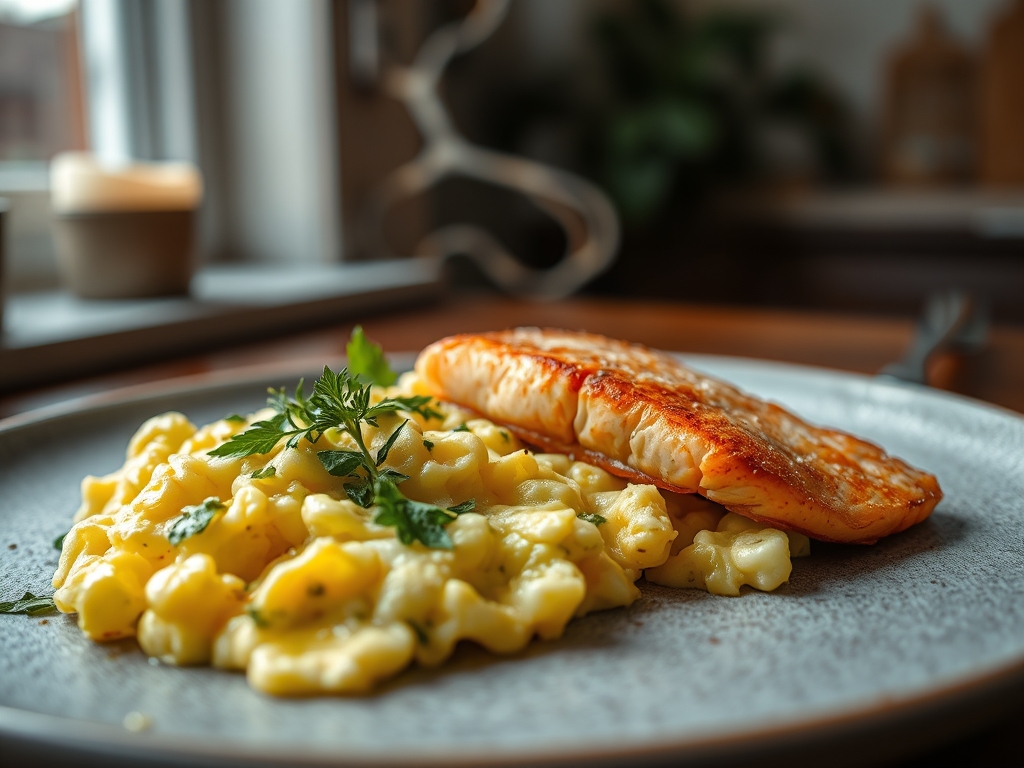
Imagine a morning where the air smells of melted butter and sea salt; a scene where the golden curve of a soft curd meets the cool, velvet luxury of cured fish. Mastering scrambled eggs and salmon recipes is more than a breakfast routine; it is an exercise in molecular precision and sensory indulgence. We are chasing that elusive, custardy texture that feels like a silk ribbon on the tongue. This is not the rubbery, sulfurous mess of a hotel buffet. Instead, we are looking for a gentle emulsion of fat and protein, elevated by the piquant bite of fresh chives and the fatty, cold-smoked richness of Atlantic salmon.
The beauty of this dish lies in the contrast of temperatures and textures. You have the warm, viscous pillows of egg acting as a canvas for the translucent, salty ribbons of fish. It is a high-protein power move that feels like a decadent cheat meal, yet it is grounded in clean, functional nutrition. Whether you are hosting a high-stakes brunch or simply treating yourself after a long week, understanding the chemistry of the egg is your secret weapon. We are about to transform basic pantry staples into a five-star experience by manipulating heat and moisture with the finesse of a seasoned chef.
The Gathers:
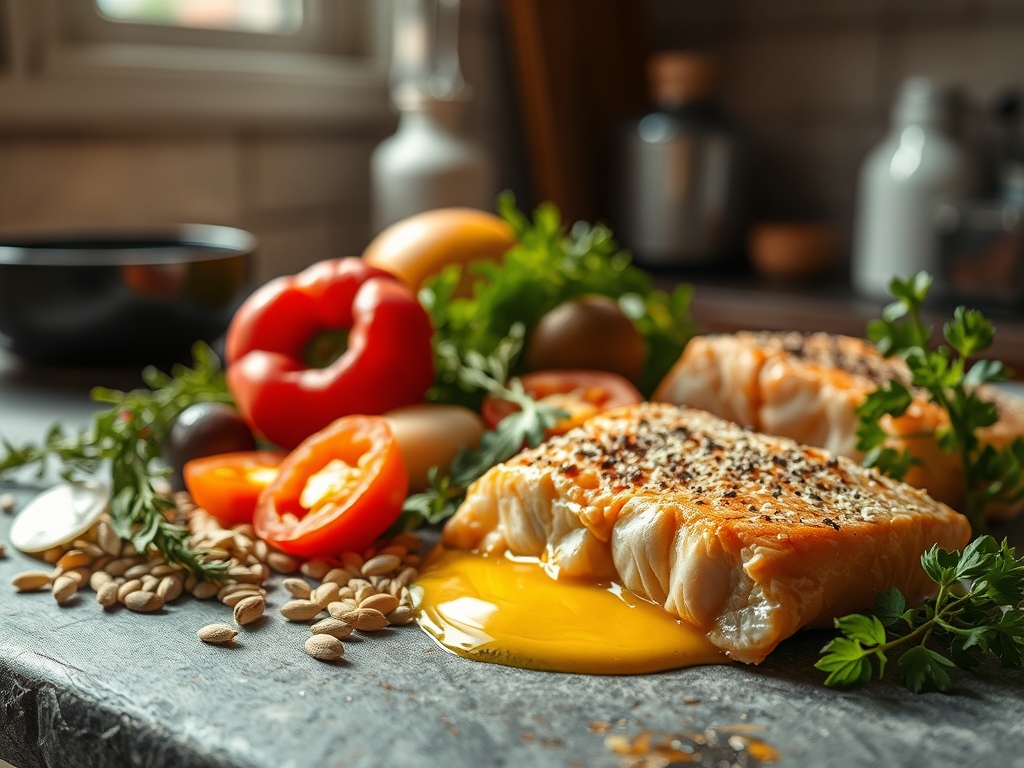
To achieve a restaurant-grade result, your mise-en-place must be impeccable. We start with ten large, pasture-raised eggs. Look for those with deep orange yolks; this indicates a higher xanthophyll content, which translates to a richer flavor and a more vibrant visual. You will need four ounces of premium cold-smoked salmon, preferably sliced into delicate, bite-sized ribbons. For the fat source, choose high-quality European-style butter with at least 82 percent butterfat. This higher fat-to-water ratio ensures a creamier mouthfeel and less steam-induced toughness.
You will also need two tablespoons of heavy cream or creme fraiche to act as a buffer against protein coagulation. For the aromatic finish, gather a bunch of fresh chives, a microplane for a hint of lemon zest, and flaky Maldon sea salt. If you need a smart substitution, swap the heavy cream for full-fat Greek yogurt to add a lactic tang, or use smoked trout if salmon is unavailable. For a dairy-free version, a high-quality cashew cream provides the necessary lipids to keep the eggs tender without masking the delicate oceanic notes of the fish.
The Clock:
The "Chef's Flow" for this dish is remarkably fast, requiring only five minutes of preparation and six minutes of active cooking. Total time from fridge to fork is roughly eleven minutes. The secret is to have your salmon and herbs prepped before the eggs ever touch the pan. Because eggs are highly sensitive to thermal kinetics, there is no time to chop chives once the proteins begin to set. You are looking for a rhythmic cadence: whisk, melt, pour, and fold. This rapid progression ensures the eggs do not spend a second too long on the heat, preserving their delicate moisture levels.
The Masterclass:
1. The Aeration Phase
Crack your ten eggs into a glass bowl and add your cream. Use a balloon whisk to aerate the mixture until no streaks of white remain and the liquid is uniform. You are looking to incorporate tiny air bubbles that will expand during cooking to create a lighter structure.
Pro Tip: This step initiates the mechanical breakdown of globulin proteins. By whisking thoroughly, you ensure a consistent texture that prevents the "rubbery" patches caused by unevenly distributed egg whites.
2. The Low-Heat Emulsion
Place a heavy-bottomed skillet or a saucier over low-medium heat. Add your butter and wait for it to foam but not brown. Pour in the egg mixture. Do not touch it for the first thirty seconds; let a thin layer of protein set at the bottom to create a base.
Pro Tip: Using a heavy-bottomed pan provides superior heat distribution, preventing "hot spots" that cause localized overcooking and the release of unpleasant sulfur compounds.
3. The Gentle Agitation
Using a silicone spatula, begin to move the eggs from the edges toward the center in long, sweeping motions. You are creating "large curds" rather than a fine scramble. The goal is to keep the eggs moving just enough to prevent browning while allowing the uncooked liquid to contact the pan surface.
Pro Tip: This technique manages protein denaturation. By moving the eggs, you prevent the proteins from bonding too tightly, which would otherwise squeeze out moisture and leave the eggs dry.
4. The Salmon Integration
When the eggs are about 80 percent cooked—still looking slightly wet and "loose"—remove the pan from the heat entirely. Fold in your smoked salmon ribbons and chopped chives. The salmon should not "cook"; it should merely warm through to release its natural oils.
Pro Tip: This utilizes thermal carryover. The residual heat in the eggs is sufficient to finish the cooking process and soften the salmon without turning the fish opaque or tough.
The Deep Dive:
From a nutritional standpoint, this dish is a powerhouse of Omega-3 fatty acids and high-quality bioavailable protein. Ten eggs shared among four people provide roughly 15 grams of protein per serving, while the salmon adds essential vitamin D and B12. For those following a Keto lifestyle, this is a gold-standard meal. If you are vegan, you can replicate this experience using a mung-bean-based egg substitute and "carrot lox" cured with liquid smoke and sea salt.
Even the best chefs run into hurdles. If your eggs look "weepy" (releasing water on the plate), you have likely overcooked them, causing the protein network to collapse; next time, pull them off the heat thirty seconds earlier. If the salmon tastes too salty, soak the slices in cold water for two minutes before patting dry to leach out excess brine. For meal prep, never microwave these eggs on high. To reheat, use a "low and slow" approach in a pan with a splash of cream to re-introduce moisture, ensuring "day-one" silkiness.
The Wrap-Up:
There is a profound satisfaction in mastering the basics. Scrambled eggs and salmon recipes represent the pinnacle of simple, elegant home cooking. By respecting the science of the egg and the delicate nature of the fish, you have turned a few humble ingredients into a masterpiece of texture and taste. Now, grab a piece of toasted sourdough, pour a fresh coffee, and enjoy the fruits of your culinary precision. You have officially graduated from basic scrambling to gourmet execution.
The Kitchen Table:
Can I use frozen salmon for this recipe?
It is not recommended. Cold-smoked salmon is cured and ready to eat; frozen raw salmon requires high-heat searing, which would overcook the delicate eggs. Always use high-quality, pre-sliced smoked salmon for the best texture and flavor profile.
Why do my scrambled eggs turn grey?
This is a chemical reaction between iron in the yolk and sulfur in the white, usually caused by overcooking in an iron skillet. Use a non-stick or stainless steel pan and remove from heat while the eggs still look moist.
What is the best herb to use besides chives?
Fresh dill is the classic alternative, offering a bright, feathery contrast to the fatty salmon. Tarragon provides a sophisticated, anise-like note, while flat-leaf parsley offers a clean, grassy finish that cuts through the richness of the butter and eggs.
Is it necessary to add cream to the eggs?
While not strictly mandatory, cream or creme fraiche acts as a structural stabilizer. The extra fat molecules coat the egg proteins, preventing them from bonding too tightly and ensuring the final result remains soft, velvety, and resistant to drying out.