
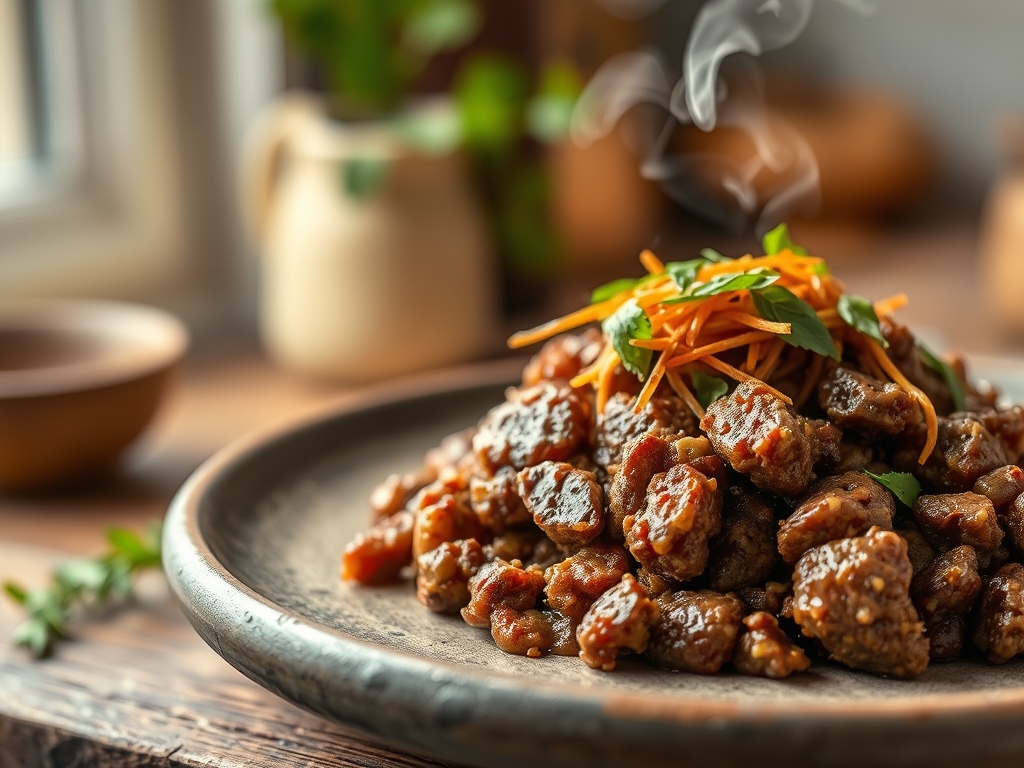
The sizzle of iron hitting fat is the universal language of a kitchen that means business. When you drop that first pound of meat into a screaming hot heavy-bottomed skillet, you are not just making dinner; you are initiating a complex chemical sequence known as the Maillard reaction. Finding ground beef recipes high protein in content does not mean sacrificing the piquant, rich flavors of a five-star bistro. It means mastering the art of the sear and the science of the sauce. We are looking for that perfect balance of amino acids and textures that keep you fueled without the heavy, greasy aftermath of traditional comfort food.
This guide is your roadmap to seven distinct flavor profiles that transform the humble burger grind into a high-octane fuel source. Whether you are craving the bright acidity of a Mediterranean bowl or the deep, umami-rich notes of a ginger-soy stir-fry, the foundation remains the same. We are prioritizing lean ratios, typically 90/10 or 93/7, to ensure your macros stay tight while using technical moisture-retention strategies to keep the meat succulent. Grab your favorite apron and let us get into the grit of it.
The Gathers:
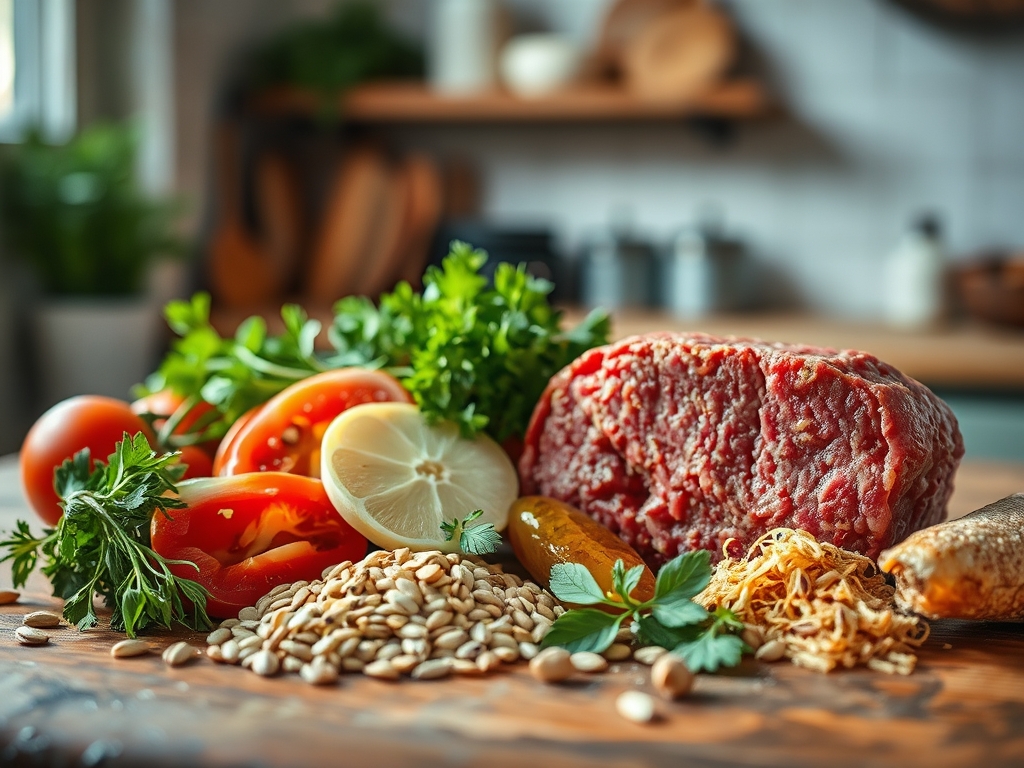
Setting your mise-en-place is the difference between a chaotic kitchen and a professional flow. For these ground beef recipes high protein favorites, you will need a digital scale to ensure precise macro-tracking and a microplane for aerating your aromatics. Start with high-quality lean ground beef. Look for grass-fed options if your budget allows; the fatty acid profile is significantly more robust.
Your secondary players include fibrous binders like finely minced mushrooms or riced cauliflower. These ingredients serve a dual purpose. They increase the volume of the meal without adding significant calories and they provide a structural matrix that holds onto the juices rendered during the cooking process. You will also want a collection of acids: rice vinegar, lemon juice, and balsamic glaze. Acid is the "brightener" that cuts through the richness of the beef fat.
Smart Substitutions:
If you find yourself out of lean beef, ground bison is an incredible lean alternative with a slightly sweeter profile. For a lower-sodium approach, swap traditional soy sauce for liquid aminos or coconut aminos. If you are dodging dairy, nutritional yeast provides a nutty, cheesy flavor profile that mimics parmesan while adding a boost of B-vitamins and extra protein. Always keep a high-smoke-point oil on hand, such as avocado or grapeseed oil, to ensure you can reach the temperatures necessary for a proper crust without the oil breaking down into bitter compounds.
The Clock
Efficiency in the kitchen is about overlapping tasks. We call this the "Chef's Flow." Most of these ground beef recipes high protein variations require a total of 25 to 30 minutes.
The first 10 minutes are dedicated to prep: washing, chopping, and measuring. The actual cook time for the beef rarely exceeds 8 to 12 minutes. The final 5 minutes are for the "rest and marry" phase, where flavors infuse and the internal temperature stabilizes. By the time your grains or greens are prepped, your protein should be hitting its peak. Use a bench scraper to quickly move your chopped aromatics from the cutting board to the pan to save precious seconds and maintain a clean workspace.
The Masterclass
1. The Temper and Sear
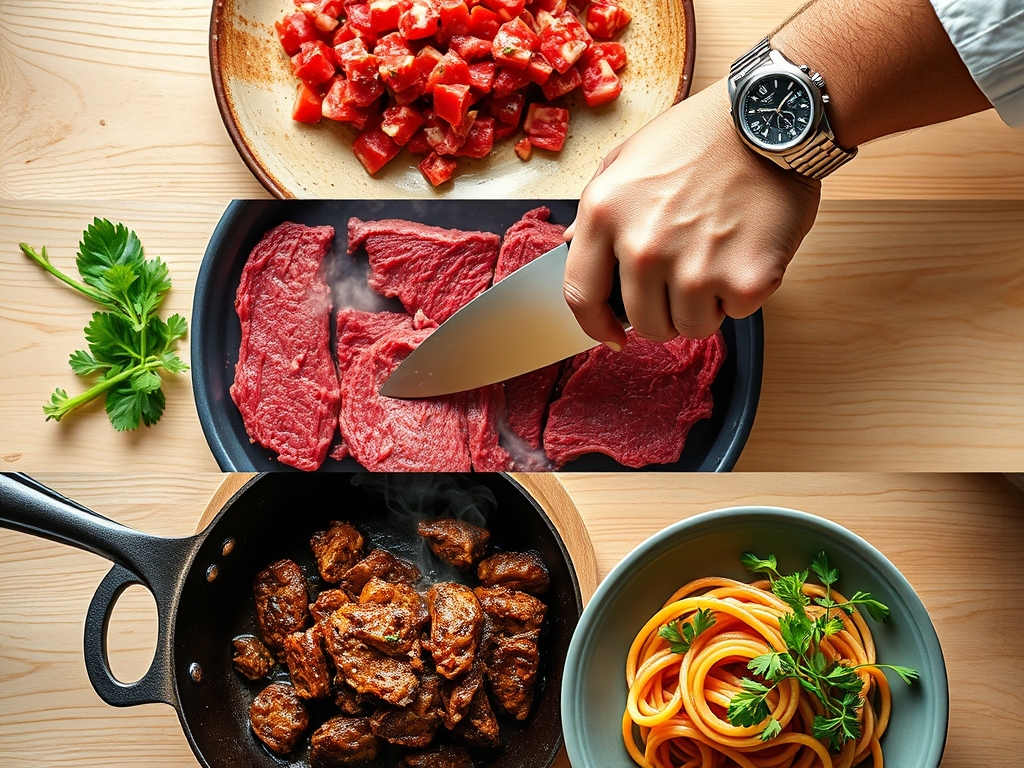
Before the meat even touches the pan, take it out of the refrigerator for 15 minutes to take the chill off. Cold meat hitting a hot pan causes the proteins to contract violently, squeezing out moisture and resulting in a "boiled" texture rather than a crisp sear. Use your heavy-bottomed skillet to ensure even heat distribution.
Pro Tip: This is the science of thermal shock. By reducing the temperature gradient between the meat and the pan, you facilitate a more even Maillard reaction, which is the browning of sugars and amino acids that creates deep flavor.
2. The Fat Render
Place the beef in the pan and resist the urge to move it immediately. Let it sit for at least 3 minutes. You want to render the intramuscular fat so it acts as a frying medium for the rest of the meat. Use a stiff wooden spoon or a meat masher to break the beef into uniform crumbles once the initial crust has formed.
Pro Tip: Breaking the meat into smaller pieces increases the surface area. More surface area means more browning, which exponentially increases the umami compounds in your final dish.
3. The Aromatic Infusion
Once the beef is 80 percent cooked, push it to the perimeter of the pan, creating a "well" in the center. Drop in your minced garlic, ginger, or shallots. The residual fat in the center will infuse with these aromatics, toasted by the direct heat.
Pro Tip: Garlic contains sulfur compounds that can turn bitter if scorched. Adding it toward the end of the browning process protects these delicate flavors while still allowing for enzymatic transformation.
4. The Deglaze
After the aromatics are fragrant, pour in your liquid of choice; this could be beef bone broth, a splash of wine, or a vinegar-based sauce. Use your spatula to scrape up the brown bits stuck to the bottom of the pan. This is called the fond.
Pro Tip: The fond is a concentrated goldmine of flavor. Deglazing uses steam and acidity to lift these caramelized proteins back into the sauce, creating a viscous and cohesive coating for the meat.
5. The Emulsification
If your recipe calls for a sauce, finish it by tossing the meat with a small amount of cold butter or a cornstarch slurry. This helps the sauce cling to the beef rather than pooling at the bottom of the bowl.
Pro Tip: This creates a stable emulsion. The fats and liquids bind together, ensuring every bite of your high-protein meal is seasoned perfectly from the first forkful to the last.
The Deep Dive
When we look at the macro nutrition of these ground beef recipes high protein selections, a standard 4-ounce serving of 90/10 beef provides roughly 22 grams of protein and 10 grams of fat. To optimize this for fitness goals, pair the beef with high-fiber carbohydrates like quinoa or roasted sweet potatoes.
Dietary Swaps:
- Keto: Replace any starch with zoodles or cauliflower rice and increase the healthy fats with avocado slices.
- Vegan-Adjacent: Use a 50/50 split of ground beef and cooked lentils to lower the saturated fat while maintaining a high protein count.
- Gluten-Free: Ensure your sauces use tamari or coconut aminos and thicken with arrowroot powder instead of flour.
The Fix-It:
- The Meat is Gray and Steamy: You overcrowded the pan. Cook in batches next time to allow moisture to evaporate quickly. Fix it now by draining the liquid and cranking the heat.
- The Beef is Dry: You overcooked it or used meat that was too lean without adding a moisture binder. Fix it by stirring in a tablespoon of Greek yogurt or a splash of beef broth.
- Too Much Salt: You over-seasoned before the liquid reduced. Fix it by adding a squeeze of lime or a pinch of sugar to balance the palate.
Meal Prep Science:
To maintain "day-one" quality when reheating, use the "low and slow" method. Microwaving on high power denatures the proteins further, making the beef rubbery. Instead, reheat in a covered skillet with a teaspoon of water to create a steam chamber that rehydrates the meat fibers.
The Wrap-Up
Mastering ground beef recipes high protein in density is the ultimate culinary "cheat code" for a busy, healthy lifestyle. By understanding the chemistry of the sear and the importance of the deglaze, you turn a basic staple into a gourmet experience. Remember, cooking is as much about the tools and the technique as it is about the ingredients. Keep your skillet hot, your aromatics fresh, and your protein lean. You have the knowledge; now go create something delicious.
The Kitchen Table
Can I use frozen ground beef for these recipes?
Yes, but ensure it is fully thawed in the refrigerator first. Pat the meat dry with paper towels before cooking to remove excess moisture, which prevents the meat from steaming instead of searing in the pan.
How do I make ground beef taste less "gamey"?
Soak the raw beef in a tablespoon of milk for 15 minutes before cooking. The proteins in the milk bind to the compounds responsible for the gamey flavor, resulting in a much milder and cleaner taste profile.
What is the best way to store leftovers?
Store in airtight glass containers for up to four days. Glass is superior to plastic because it does not retain odors or oils from the beef fat, ensuring your meal tastes fresh upon reheating.
Is 80/20 beef okay for high-protein diets?
While delicious, 80/20 has a higher fat-to-protein ratio. For optimal macros, stick to 90/10 or higher. If you only have 80/20, thoroughly drain the rendered fat after browning to reduce the overall calorie count of the dish.