
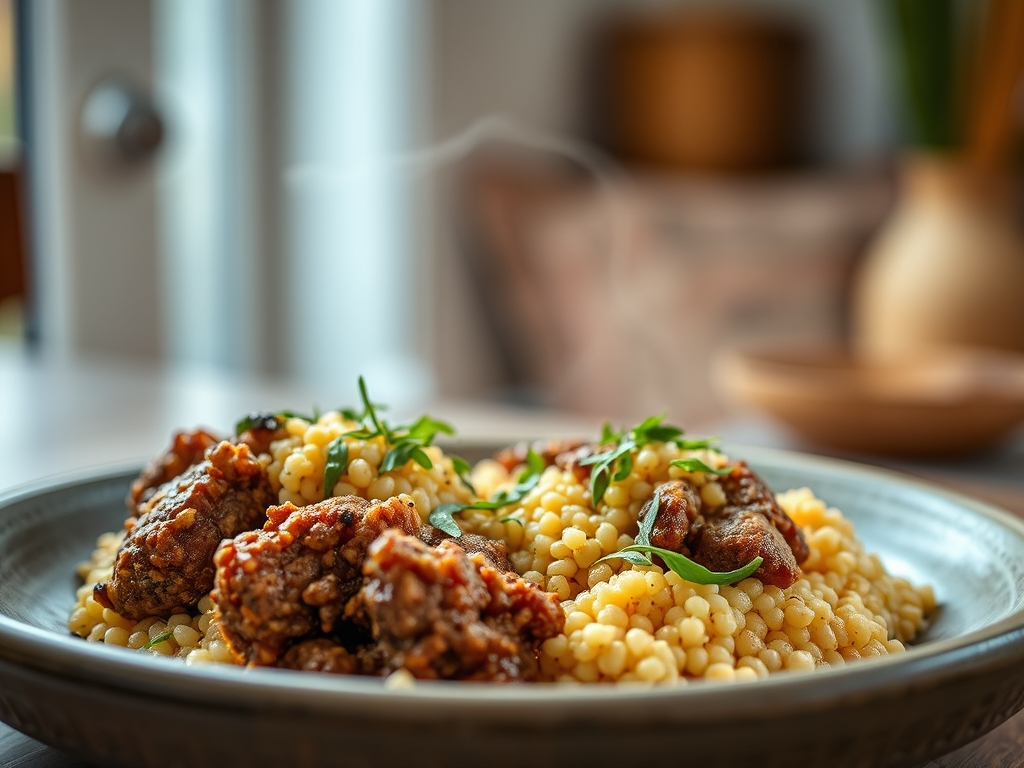
The aroma of searing iron and toasted semolina is the ultimate kitchen siren song. When you master couscous and ground beef recipes, you are playing with the perfect contrast of textures. Imagine the velvety, pearl like grains absorbing the savory drippings of perfectly browned beef; it is a culinary marriage that feels like a warm hug but tastes like a five star bistro.
Most people treat ground beef as a utilitarian protein, but we are going to treat it like the star it is. We are looking for that specific Maillard reaction; the chemical transformation where amino acids and reducing sugars create that complex, savory crust. When paired with the light, airy structure of couscous, you get a dish that is high in protein but never feels heavy. Whether you are leaning into Mediterranean spices or a zesty North African vibe, these two ingredients are your canvas.
The beauty of this pairing lies in the speed. Ground beef cooks in minutes, and couscous hydrates in even less time. It is the ultimate "I just got home and I am starving" solution that still manages to impress a dinner date. We are going to dive into the molecular magic of browning meat and the hydraulic science of fluffing grains so you never have to settle for a bland bowl again.
The Gathers:
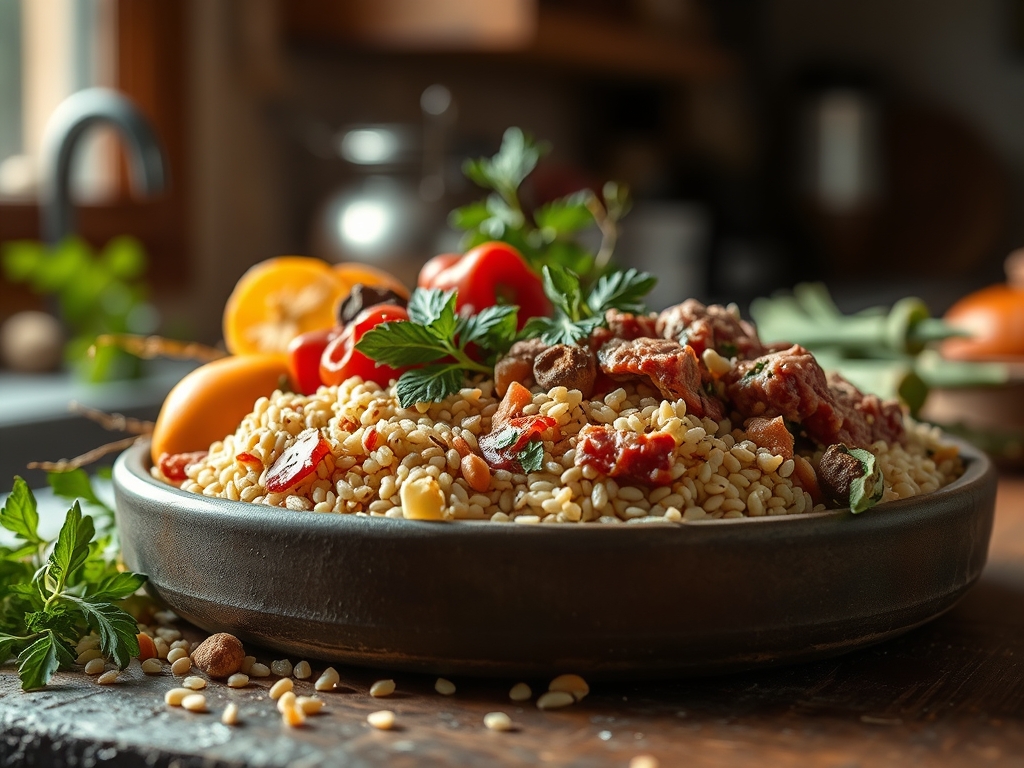
Before we fire up the range, we need our mise en place to be tight. Grab your digital scale to ensure your ratios are precise; science loves accuracy. For the beef, aim for an 80/20 blend. That 20 percent fat is not just for flavor; it provides the viscous liquid gold needed to toast your spices and hydrate the starch.
Your couscous selection matters. Moroccan couscous is tiny and light, while Israeli (pearl) couscous offers a chewy, pasta like bite. You will also need a microplane for zesting citrus and grating fresh garlic into a fine paste. Have your heavy-bottomed skillet ready; its thermal mass is essential for maintaining high heat when the cold meat hits the pan.
Smart Substitutions:
If you are looking to lighten the caloric load, ground turkey or lean bison work beautifully, though you may need to add a splash of olive oil to compensate for the lower fat content. For a grain free swap, riced cauliflower can be treated similarly to couscous, though it requires a shorter "steaming" window to avoid becoming mushy. If you find yourself out of beef stock, a splash of soy sauce mixed with water provides that essential umami depth.
The Clock
Efficiency is the hallmark of a pro. The "Chef's Flow" for these recipes follows a strict 25 minute timeline. Spend the first 10 minutes on prep: dicing aromatics with a sharp chef's knife and measuring your liquids. The next 10 minutes are for the "active" cook, where you render the beef and bloom your spices. The final 5 minutes are for the "passive" rest. While the couscous steams off the heat, the residual thermal energy finishes the job. This prevents the grains from becoming gummy and allows the meat fibers to reabsorb their juices.
The Masterclass
1. The High Heat Sear
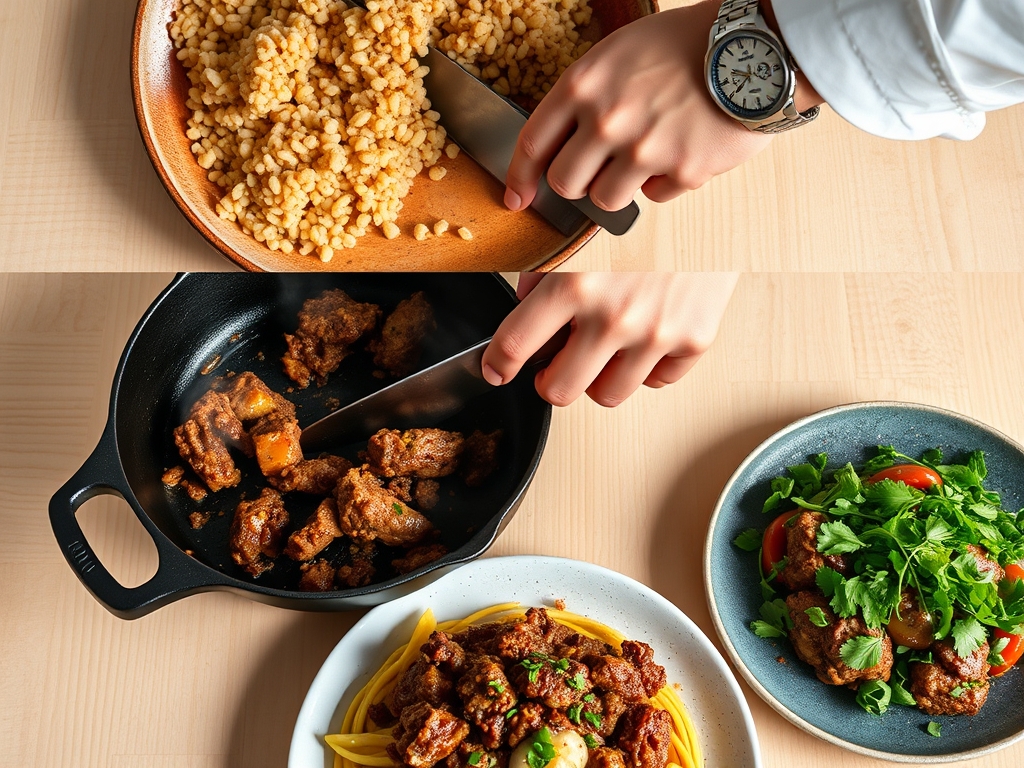
Place your heavy-bottomed skillet over medium high heat until it wisps with smoke. Add the beef in chunks rather than a flat sheet. Use a bench scraper or wooden spoon to break it up only after the first side has developed a deep, mahogany crust.
Pro Tip: This is the Maillard reaction in action. If you stir too early, the meat steams in its own moisture rather than browning, resulting in a gray texture and muted flavor.
2. Deglazing the Fond
Once the meat is browned, remove it but leave the fat. Toss in your onions and garlic. As they release moisture, use a saucier or whisk to scrape up the brown bits (the fond) stuck to the bottom.
Pro Tip: Deglazing is a solvent based extraction. The flavorful compounds stuck to the pan are more soluble in the liquid of the aromatics, ensuring every bit of "beefiness" ends up in your sauce.
3. Blooming the Spices
Add your cumin, paprika, or cinnamon directly into the hot fat for 30 seconds before adding any liquid.
Pro Tip: Many flavor compounds in spices are fat soluble (lipophilic). By "blooming" them in the rendered beef fat, you amplify their aromatic profile far more than if you boiled them in water.
4. The Hydration Phase
Add your liquid (stock or water) and bring to a rolling boil. Stir in the couscous, cover tightly, and remove from the heat immediately.
Pro Tip: Couscous is not "cooked" like pasta; it is rehydrated. The starch granules undergo gelatinization as they absorb the hot liquid. Removing it from the heat prevents the starch from breaking down into a paste.
5. The Aeration Fluff
After five minutes, use a fork or tongs to gently rake through the grains.
Pro Tip: This process is called aeration. By separating the grains while they are still steaming, you allow excess moisture to escape, which prevents the individual pearls from clumping together via surface tension.
The Deep Dive
Macro Nutrition:
A standard serving of these couscous and ground beef recipes provides a balanced profile of complex carbohydrates and high quality protein. On average, you are looking at 35g of protein and 45g of carbs per bowl. To boost the fiber, always opt for whole wheat couscous varieties.
Dietary Swaps:
- Vegan: Replace ground beef with crumbled tempeh or lentils and use vegetable bouillon.
- Keto: Swap couscous for "miracle rice" or finely chopped broccoli florets.
- Gluten Free: Use fonio or quinoa; both mimic the texture of couscous without the wheat protein.
The Fix-It:
- Mushy Couscous: You used too much liquid. Fix it by spreading the grains on a baking sheet and placing them in a low oven for 5 minutes to evaporate the excess.
- Bland Meat: You likely crowded the pan. Fix it by adding a "bright" acid at the end; a squeeze of lemon or a splash of red wine vinegar will wake up the existing flavors.
- Dry Grains: The lid wasn't tight enough. Fix it by adding two tablespoons of boiling broth, resealing, and waiting three more minutes.
Meal Prep Science:
When reheating, couscous tends to migrate its moisture back into the air. To maintain "day one" quality, add a teaspoon of water before microwaving and cover the bowl. This creates a mini steam chamber that re-hydrates the starch without making the beef rubbery.
The Wrap-Up
Mastering the art of the quick dinner is all about understanding how your ingredients behave under pressure. By focusing on the sear of the beef and the gentle hydration of the couscous, you have turned a simple pantry staple into a gourmet experience. Remember to always taste as you go; your palate is the best tool in your kitchen. Now go forth, grab that skillet, and create something magnificent!
The Kitchen Table
Can I make couscous and ground beef recipes ahead of time?
Yes. Store the beef and couscous in airtight containers for up to four days. For best results, store them separately to prevent the grains from absorbing too much fat and becoming overly soft during storage.
What is the best ratio for couscous to liquid?
The standard ratio is 1:1 by volume. For every cup of couscous, use exactly one cup of boiling liquid. Using a digital scale for a 1:1 weight ratio provides even more consistent, fluffy results.
How do I prevent the ground beef from being greasy?
Drain the excess fat after browning but before adding the couscous. Leave about one tablespoon of fat in the pan to "bloom" your spices; this keeps the flavor high while reducing the overall lipid content of the dish.
Why is my couscous clumping together?
Clumping happens when the starch on the surface of the grains becomes too sticky. To prevent this, toss the dry couscous with a teaspoon of olive oil to coat the grains before adding the boiling liquid.