
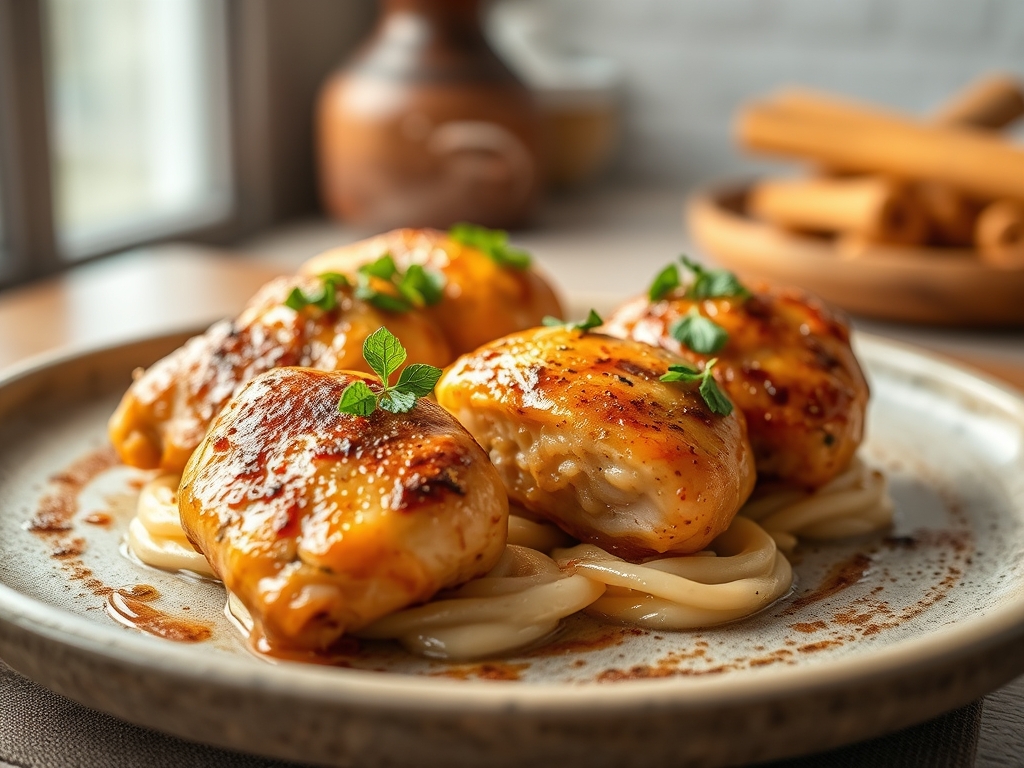
Imagine the scent of a bustling Moroccan night market or a cozy Greek kitchen wafting through your own hallways. We are moving far beyond the realm of apple pies and lattes today; we are diving into the savory, soul-warming world of cinnamon and chicken recipes. While most people relegate cinnamon to the dessert pantry, it is actually a powerhouse of aromatic compounds like cinnamaldehyde that can transform a standard bird into a culinary masterpiece. When you pair the deep, woody warmth of cinnamon with the savory fats of chicken, you trigger a complex sensory experience that bridges the gap between sweet and umami. This is not just a meal; it is a molecular upgrade to your weekly rotation. By the end of this guide, you will understand how to manipulate heat and spice to create a crust that is both crisp and fragrant, ensuring your dinner guests are begging for your secret ingredient.
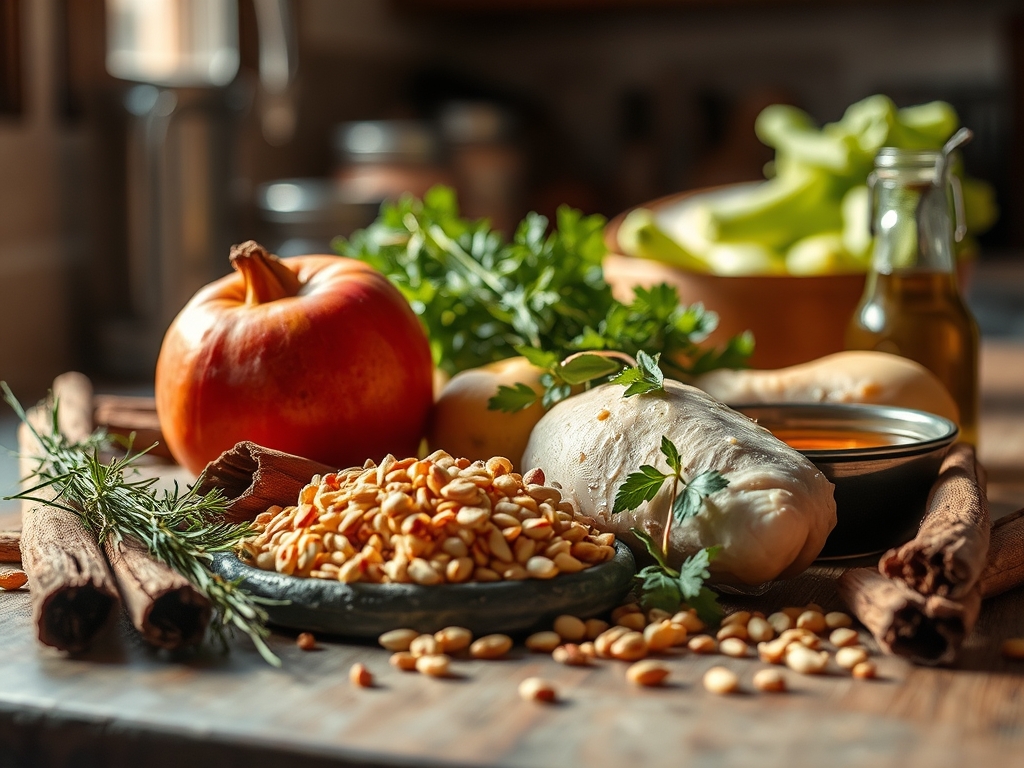
The Gathers:
To execute these cinnamon and chicken recipes with precision, your mise-en-place must be flawless. Start with high-quality poultry; bone-in, skin-on thighs are preferred because the subcutaneous fat will render and carry the spice flavors more effectively than lean breast meat. You will need a microplane for fresh cinnamon sticks, as the volatile oils are most potent immediately after grating. Gather your dry aromatics: smoked paprika for depth, ground cumin for an earthy base, and coarse sea salt to facilitate osmosis.
For the liquid components, keep a bottle of dry white wine or chicken stock nearby to deglaze your pan. You will also need a high-smoke-point fat, such as avocado oil or clarified butter (ghee), to ensure you can achieve a hard sear without burning the delicate spices.
Smart Substitutions:
If you find yourself without Ceylon cinnamon, use Cassia but reduce the amount by twenty percent, as it has a more aggressive, spicy bite. No chicken thighs? Use drumsticks, but increase your cooking time by five minutes to account for the denser bone structure. For a citrus lift, swap lemon juice for a splash of verjus to maintain a sophisticated acidity without the sharp pectin bite.
The Clock
Efficiency in the kitchen is all about the Chef's Flow. Total active prep time for these hacks is approximately 20 minutes, with a cook time of 35 to 40 minutes depending on the thickness of your protein.
The flow begins with the "Dry Phase," where you season the meat and let it temper at room temperature for 15 minutes. This prevents the muscle fibers from seizing when they hit the hot metal. The "Searing Phase" takes 8 minutes, followed by the "Infusion Phase" where the chicken braises or roasts. Finally, the "Resting Phase" is non-negotiable; five minutes on a wire rack allows the internal juices to redistribute, ensuring every bite is succulent rather than dry.
The Masterclass
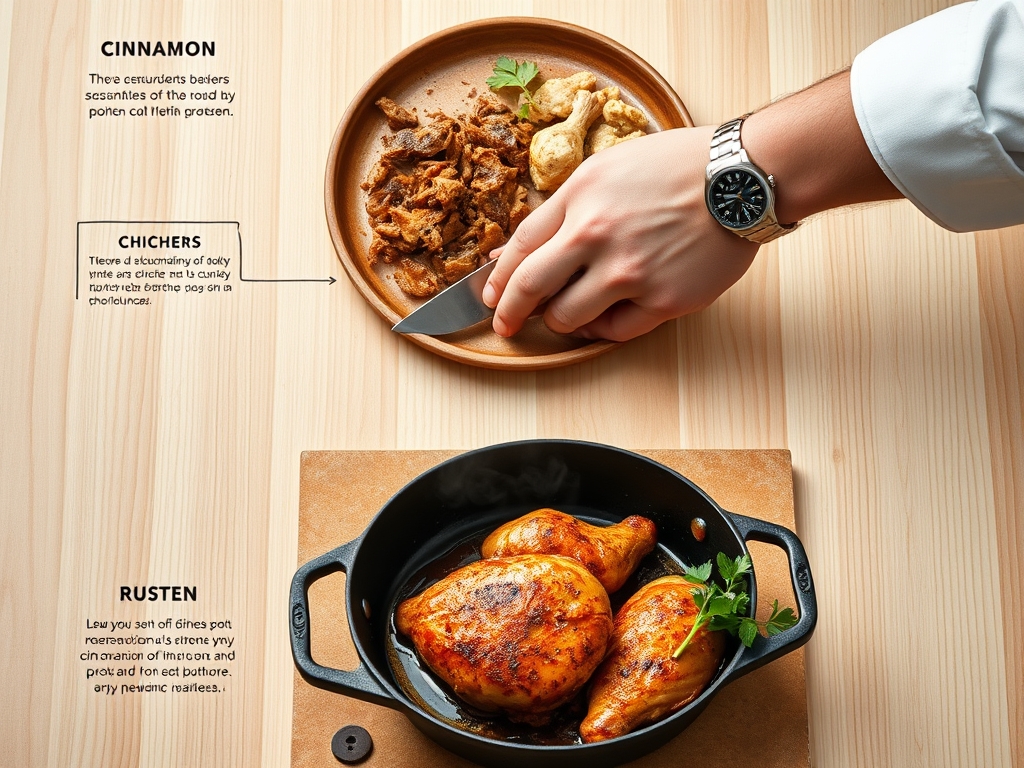
1. The Dry Brine Technique
Coat your chicken liberally with a mixture of salt, cinnamon, and black pepper. Use your hands to massage the spices under the skin to ensure direct contact with the meat. This creates a hypertonic environment that draws moisture out and then reabsorbs the seasoned brine.
Pro Tip: This process utilizes denaturation, where the salt breaks down the protein structure, allowing the cinnamon notes to penetrate deep into the muscle fibers rather than just sitting on the surface.
2. The High-Heat Sear
Heat a heavy-bottomed skillet until a drop of water dances and evaporates instantly. Place the chicken skin-side down. Do not move it for at least five minutes. You are looking for a deep, mahogany crust.
Pro Tip: This is the Maillard Reaction in action. The sugars in the cinnamon caramelize alongside the meat proteins, creating hundreds of new flavor compounds that give the dish its "roasted" complexity.
3. Deglazing for Depth
Once the chicken is seared, remove it and use a saucier or your current pan to add a splash of liquid. Use a wooden spoon to scrape up the brown bits (the fond) from the bottom of the pan.
Pro Tip: The fond contains concentrated flavor. By adding liquid, you create an emulsion of chicken fat and spice-infused juices, which forms the base of a highly viscous and flavorful pan sauce.
4. The Cinnamon Stick Infusion
While the chicken finishes cooking in the oven or simmering in the sauce, drop two whole cinnamon sticks into the liquid. This provides a slow release of flavor that complements the ground spice used earlier.
Pro Tip: Whole spices contain essential oils that are released slowly through gentle heat, providing a floral top note that balances the earthy base of the ground cinnamon.
5. Aerating the Sauce
Before serving, whisk in a cold pat of butter or a dollop of yogurt. Use a whisk to aerate the sauce, giving it a lighter, velvety mouthfeel.
Pro Tip: This is a technique called monter au beurre. The cold fat stabilizes the sauce and creates a glossy finish that coats the back of a spoon perfectly.
6. The Fresh Herb Finish
Garnish the dish with fresh mint or parsley. The brightness of the herbs cuts through the warmth of the cinnamon, providing a necessary olfactory contrast.
Pro Tip: Herbs contain chlorophyll and volatile terpenes that refresh the palate, preventing the "palate fatigue" that can occur with heavy, warm spices.
7. The Resting Period
Transfer the chicken to a warm platter and tent loosely with foil. Wait at least five to seven minutes before slicing.
Pro Tip: This accounts for thermal carryover. The internal temperature will rise by about five degrees after removal from heat, ensuring the chicken is perfectly cooked without becoming rubbery.
The Deep Dive
Macro Nutrition:
A standard serving of cinnamon chicken (using thighs) provides approximately 28g of protein, 14g of fat, and 2g of carbohydrates. Cinnamon itself is a "functional spice," known for its potential to improve insulin sensitivity and provide a massive hit of antioxidants with zero caloric impact.
Dietary Swaps:
- Vegan: Replace chicken with thick slabs of cauliflower or firm tofu. Use coconut aminos instead of chicken stock for the deglazing step.
- Keto: This recipe is naturally keto-friendly. Ensure your cinnamon blend does not contain added sugars or cornstarch.
- Gluten-Free: This dish is naturally GF. If thickening the sauce, use a cornstarch slurry or simply reduce the liquid by half.
The Fix-It:
- Bitter Aftertaste: This happens if the cinnamon burns during the sear. The Fix: Add a teaspoon of honey or maple syrup to the sauce to balance the bitterness with sweetness.
- Soggy Skin: This occurs if the pan was crowded. The Fix: Finish the chicken under a high broiler for 60 seconds to crisp the skin via direct radiant heat.
- Thin Sauce: If your sauce is too watery, it lacks body. The Fix: Whisk in a teaspoon of cold butter or simmer uncovered to evaporate excess moisture.
Meal Prep & Reheating:
To maintain "day-one" quality, store the sauce and chicken separately if possible. When reheating, use a low-heat oven (300F) and add a tablespoon of water to the dish. This creates steam, which prevents the chicken from drying out. Avoid the microwave, as it vibrates water molecules too aggressively, resulting in a "warmed-over" flavor caused by lipid oxidation.
The Wrap-Up
Mastering cinnamon and chicken recipes is a gateway to becoming a more adventurous and confident cook. By understanding the science of the Maillard reaction and the importance of deglazing, you have turned a simple spice rack staple into a sophisticated culinary tool. This dish is bold, aromatic, and deeply satisfying. Now, grab your tongs, fire up that skillet, and show your kitchen who is boss. Your dinner table will never be the same!
The Kitchen Table
Can I use cinnamon powder instead of sticks?
Yes, but powder is more concentrated. Use half a teaspoon of ground cinnamon for every one cinnamon stick called for in the infusion stage. Add it toward the end of cooking to prevent the spice from becoming bitter under high heat.
Why does my chicken taste like dessert?
You likely missed the salt balance. Savory cinnamon dishes require a generous amount of salt and acidity, like lemon or vinegar, to pull the spice away from its "sweet" association and into the savory, umami-rich territory.
What is the best pan for this recipe?
A cast-iron or stainless steel skillet is best. These materials retain heat exceptionally well, which is crucial for achieving the hard sear and Maillard reaction necessary to develop the complex flavors of the cinnamon and chicken.
Is Ceylon cinnamon better than Cassia?
Ceylon is often called "true" cinnamon and has a delicate, floral profile. Cassia is bolder and spicier. For savory chicken dishes, Cassia actually holds up better against the strong flavors of garlic, onion, and poultry fats.