
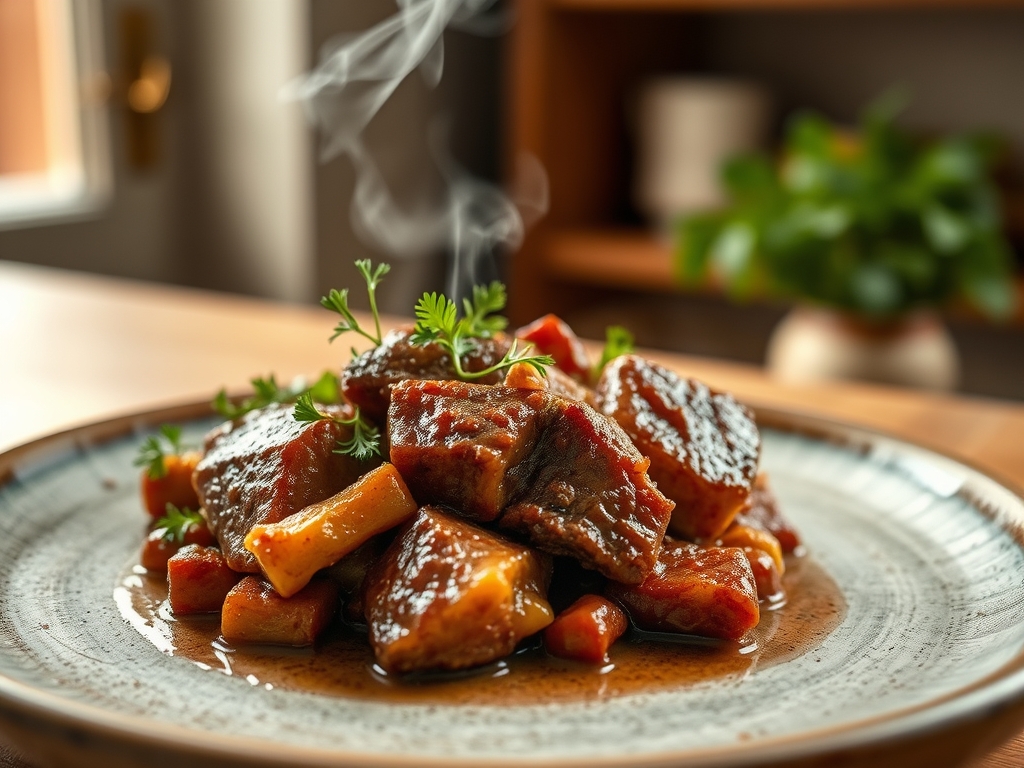
Imagine the sharp hiss of a heavy-bottomed skillet meeting a lean cut of top sirloin. That sound is the overture to a dinner that feels like a decadent splurge but fits perfectly into your wellness goals. Finding ww beef recipes that actually deliver on flavor requires more than just calorie counting; it requires a deep understanding of how to maximize the Maillard reaction without drowning your plate in saturated fats. We are going to transform lean proteins into succulent masterpieces using heat, acid, and timing.
Forget the dry, rubbery cubes of beef from your past. We are diving into a world where high-protein satiety meets culinary finesse. By leveraging specific cuts like eye of round, flank, and 96 percent lean ground beef, we can create six distinct flavor profiles ranging from piquant Korean bulgogi bowls to a deep, earthy beef stroganoff. The secret lies in the science of the sear and the magic of a deglaze. You do not need butter to create a silky, viscous sauce when you have the right technique. Grab your digital scale and your favorite apron because we are about to prove that "diet food" is a term that belongs in the trash. We are cooking for flavor, for fuel, and for the sheer joy of a perfectly executed meal.
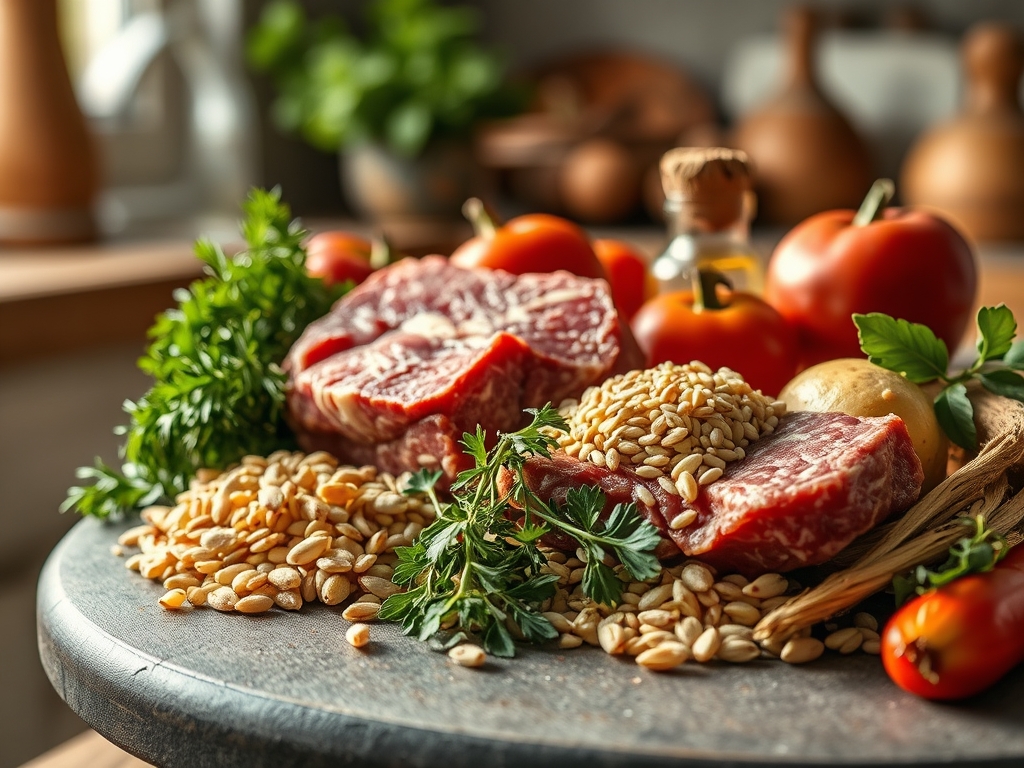
The Gathers:
Your mise-en-place is the foundation of efficiency. For these recipes, you will need a selection of lean bovine proteins. I recommend sourcing grass-fed beef when possible; it often contains higher levels of omega-3 fatty acids and a more complex, mineral-forward flavor profile. You will also need aromatics: fresh ginger root to grate with your microplane, cloves of garlic that have been smashed to release their essential oils, and shallots for a delicate, sweet acidity.
To keep the Point count low, our "Smart Substitutions" are vital. Instead of heavy cream, we utilize non-fat Greek yogurt or blended silken tofu to achieve an emulsified, creamy texture. Instead of oil-heavy marinades, we use coconut aminos and rice vinegar to infuse the muscle fibers with moisture and umami. Keep a bottle of low-sodium beef bone broth nearby; it is a nutritional powerhouse that adds body to sauces without the caloric density of a traditional roux. Finally, ensure your salt is kosher or sea salt. The larger crystal size allows for better control when seasoning, preventing the dreaded over-salted dish that ruins the delicate balance of your macros.
The Clock
Efficiency in the kitchen is about "Chef's Flow." This means grouping your tasks to minimize downtime. For these six meals, expect a total preparation time of 40 minutes and an active cook time of 25 minutes per batch. While your beef is tempering on the counter (never cook meat straight from the fridge if you want an even sear), use your bench scraper to organize your chopped vegetables.
The flow begins with the "Hard Prep": chopping, measuring, and whisking sauces. Next is the "Active Phase": searing the protein in batches to avoid overcrowding the pan, which leads to steaming rather than browning. The final phase is the "Rest and Assemble": allowing the meat to undergo thermal carryover while you finish the sauce in a saucier. By following this sequence, you ensure that every component of the meal reaches the table at the optimal temperature and texture.
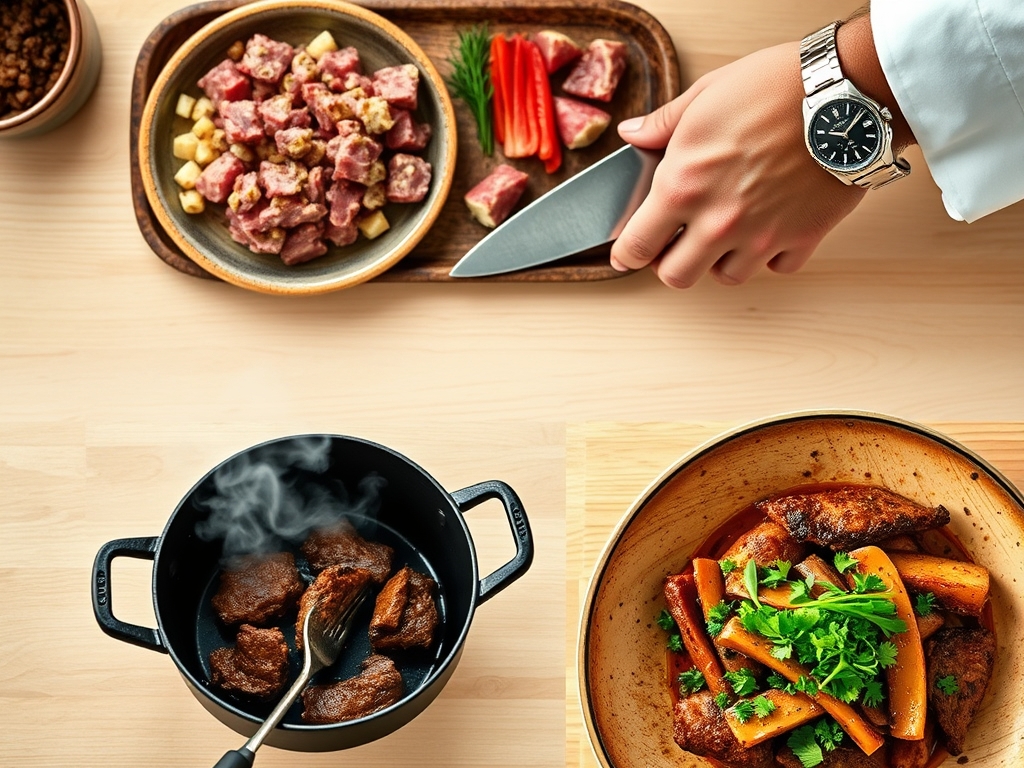
The Masterclass
1. The Perfect Sear
Place your lean beef on a paper towel and pat it until bone-dry. Moisture is the enemy of the Maillard reaction. Heat your skillet until a drop of water flicked onto the surface dances and evaporates instantly. Use tongs to place the beef in the pan, leaving space between each piece.
Pro Tip: The science here is evaporative cooling. If the meat is wet, the energy of the pan goes into boiling the water rather than browning the proteins. A dry surface ensures a crisp, caramelized crust.
2. Deglazing for Depth
Once the beef is browned and removed, you will see brown bits stuck to the bottom. This is "fond," and it is pure flavor. Pour in a splash of balsamic vinegar or beef broth. Use a wooden spoon to scrape those bits into the liquid.
Pro Tip: This process is called deglazing. The acid in the liquid dissolves the caramelized proteins and sugars, creating a complex base for a sauce without needing added fats.
3. The Low-Heat Finish
For recipes like beef tips or stews, lower the heat significantly once the initial sear is complete. Add your aromatics and liquids, then cover.
Pro Tip: Lean beef lacks the intramuscular fat (marbling) of ribeye. To prevent toughness, you must avoid protein denaturation that happens too quickly at high temperatures. Gentle heat keeps the collagen from tightening into a rubbery knot.
4. Emulsifying the Sauce
If you are making a creamy sauce, remove the pan from the heat before stirring in your Greek yogurt or light sour cream.
Pro Tip: This prevents curdling. At high heat, the proteins in dairy tighten and separate from the water, creating a grainy texture. Tempering the yogurt by adding a spoonful of warm sauce to it first ensures a smooth, viscous finish.
5. The Rest Period
Transfer your cooked beef to a cutting board and let it sit for at least five minutes before slicing.
Pro Tip: This allows for reabsorption. During cooking, muscle fibers contract and push juices to the center. Resting allows those fibers to relax and pull the moisture back in, ensuring your first bite is succulent.
6. The Acid Brightener
Just before serving, hit the dish with a squeeze of fresh lemon or a dash of zest.
Pro Tip: This is "flavor balancing." Acid cuts through the richness of the beef and "wakes up" the taste buds, making the meal feel lighter and more vibrant.
The Deep Dive
Macro Nutrition: Each of these six meals averages 320 calories, 35g of protein, 12g of carbohydrates, and 8g of fat. This high protein-to-calorie ratio is the gold standard for weight management, as protein has the highest thermic effect of food (TEF), meaning your body burns more energy just digesting it.
Dietary Swaps: To make these Keto, swap the root vegetables for cauliflower or zucchini. For a Vegan twist, use extra-firm tofu or seitan, though you will need to adjust the sear time as plant proteins brown differently. For Gluten-Free needs, ensure your soy sauce is replaced with Tamari.
The Fix-It:
- Tough Meat: If the beef is chewy, you likely overcooked it or sliced with the grain. Next time, slice perpendicular to the muscle fibers to shorten them.
- Bland Sauce: Add a teaspoon of tomato paste or a drop of Worcestershire sauce. These are umami bombs that add depth without significant points.
- Burnt Garlic: If your aromatics turn bitter, you added them too early. Always add garlic in the last 60 seconds of sautéing.
Meal Prep: To maintain "day-one" quality, store the beef and sauce separately from your grains or greens. When reheating, use a damp paper towel over the container in the microwave to create a steam chamber, preventing the beef from drying out.
The Wrap-Up
Mastering ww beef recipes is about reclaiming the joy of a hearty meal without the heavy caloric baggage. By focusing on the chemistry of the sear, the precision of the slice, and the balance of the sauce, you turn a simple weeknight dinner into a gourmet experience. You have the tools, the science, and the flavors to make your wellness journey feel like a celebration. Now, get into that kitchen and show that skillet who is boss!
The Kitchen Table
How do I make lean beef taste tender?
Always slice the beef against the grain to break up long muscle fibers. Additionally, using a "velveting" technique with a small amount of cornstarch or baking soda before searing can chemically soften the exterior for a more tender mouthfeel.
Can I use frozen beef for these recipes?
Yes, but ensure it is fully thawed in the refrigerator first. Pat the meat extremely dry after thawing to remove excess moisture, which prevents the meat from steaming in the pan and ensures a proper Maillard sear.
What is the best pan for searing beef?
A heavy-bottomed stainless steel or cast iron skillet is ideal. These materials retain heat efficiently, preventing the temperature from dropping when the meat is added, which is crucial for creating a flavorful, caramelized crust on the protein.
How do I keep the points low in sauces?
Avoid butter and heavy cream. Instead, use highly seasoned beef bone broth, dijon mustard, or non-fat Greek yogurt. These ingredients provide thickness and a piquant flavor profile without the high fat content found in traditional French sauces.